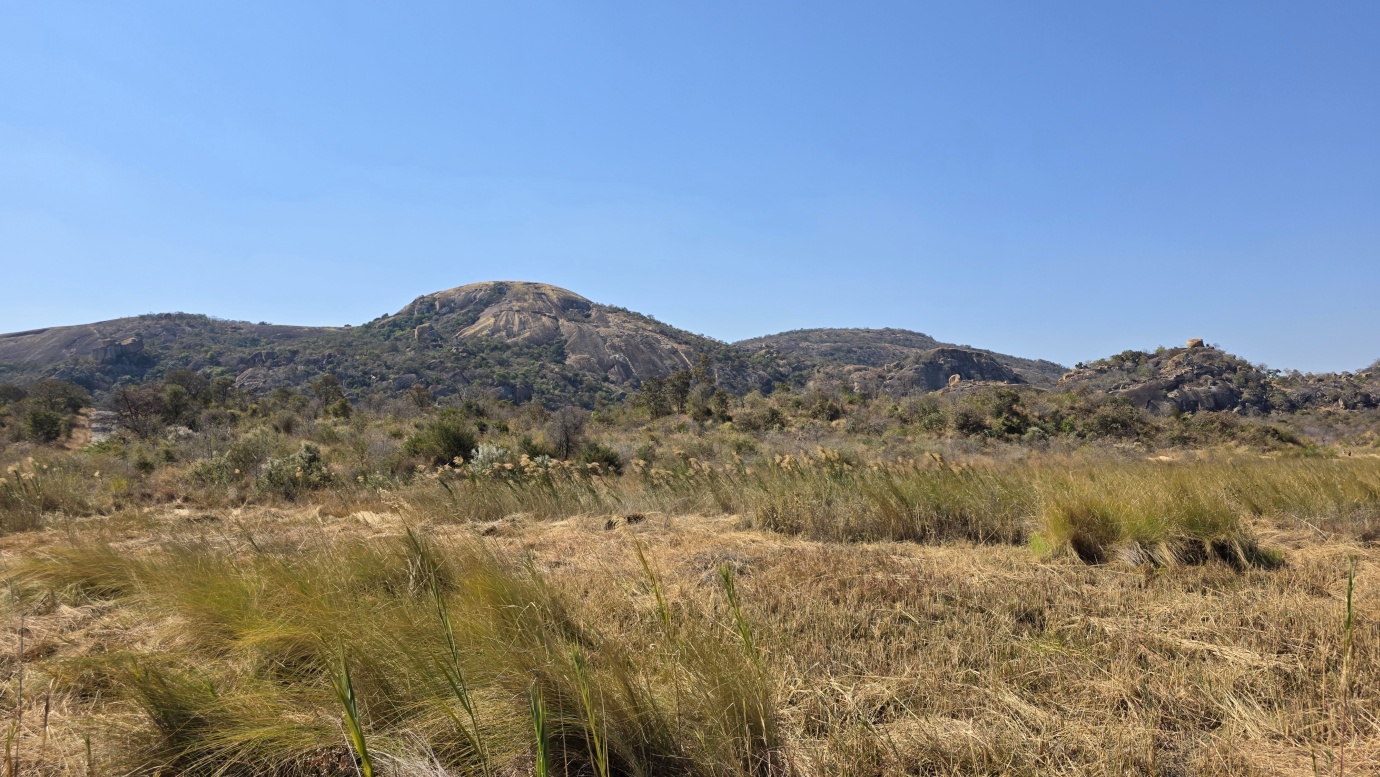
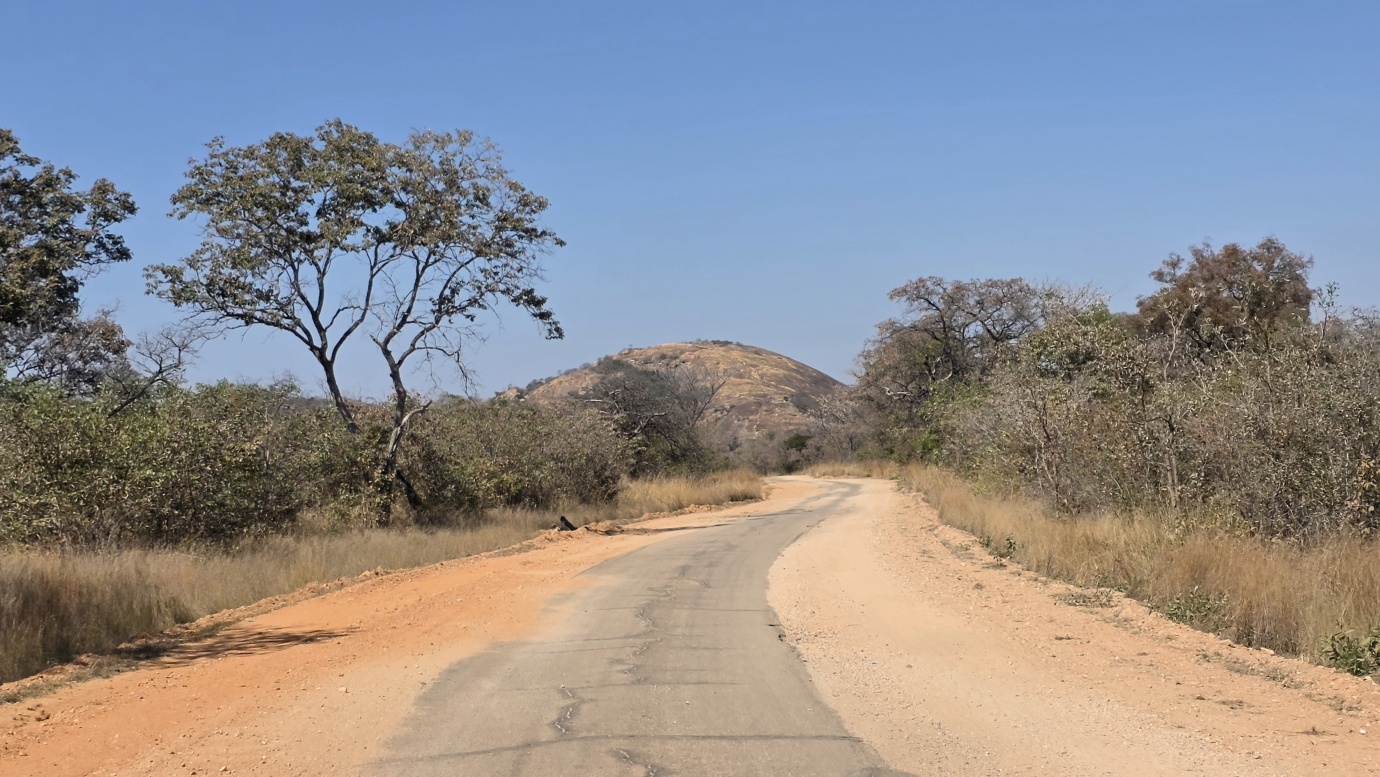
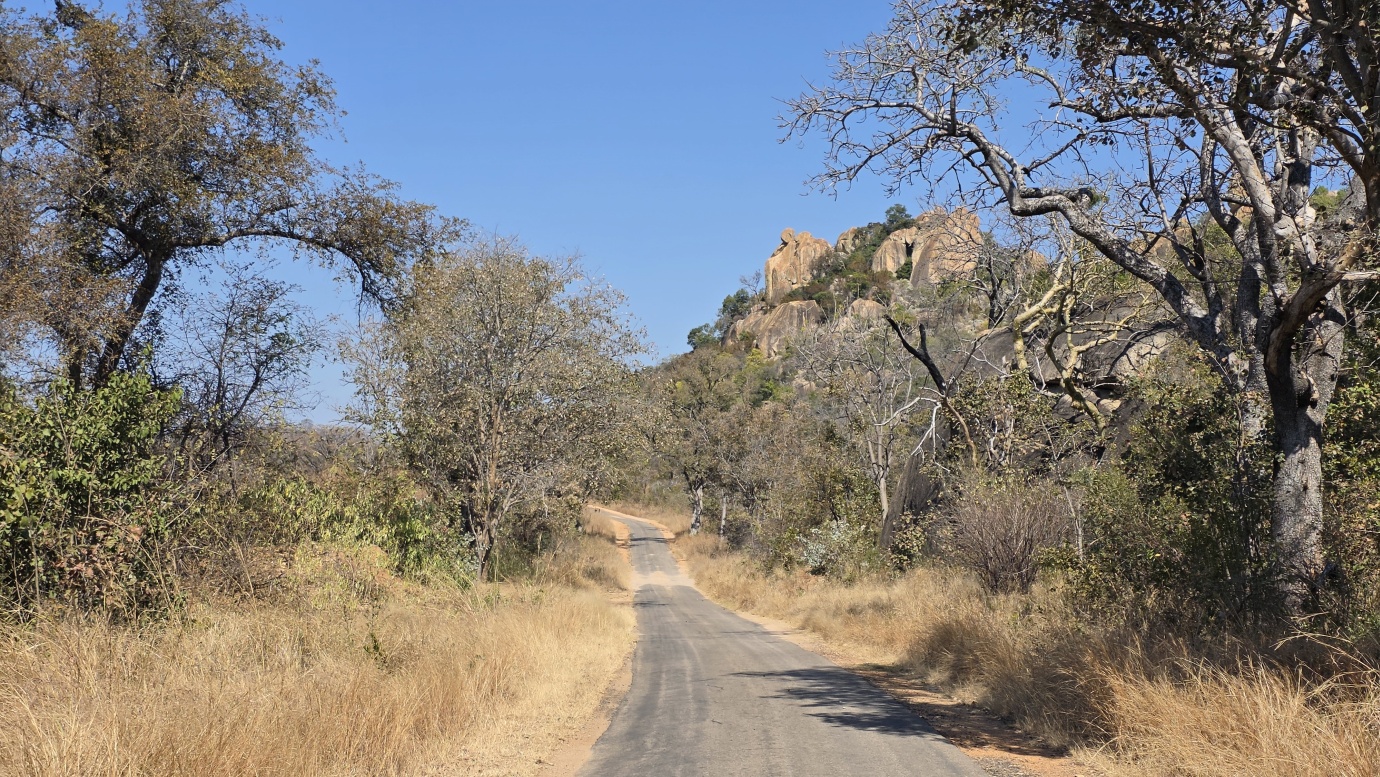
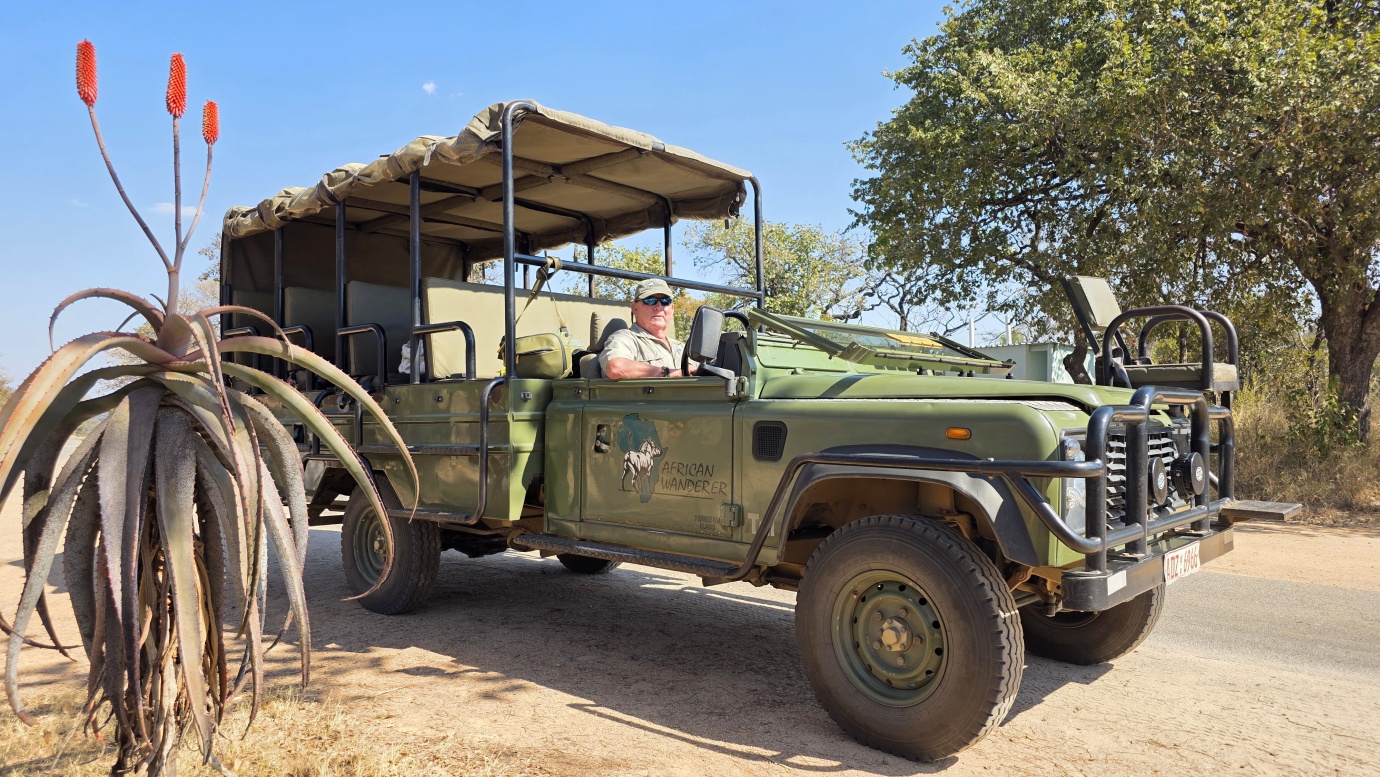
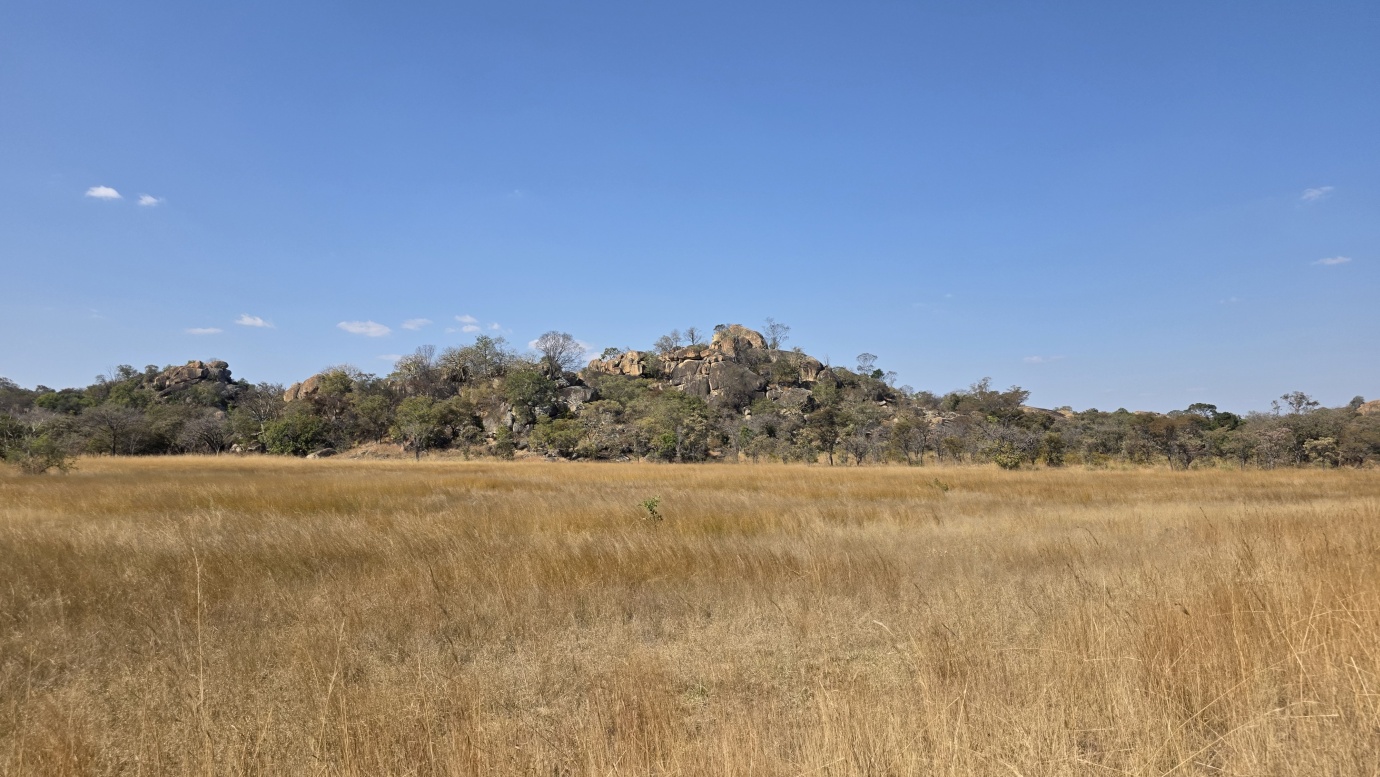
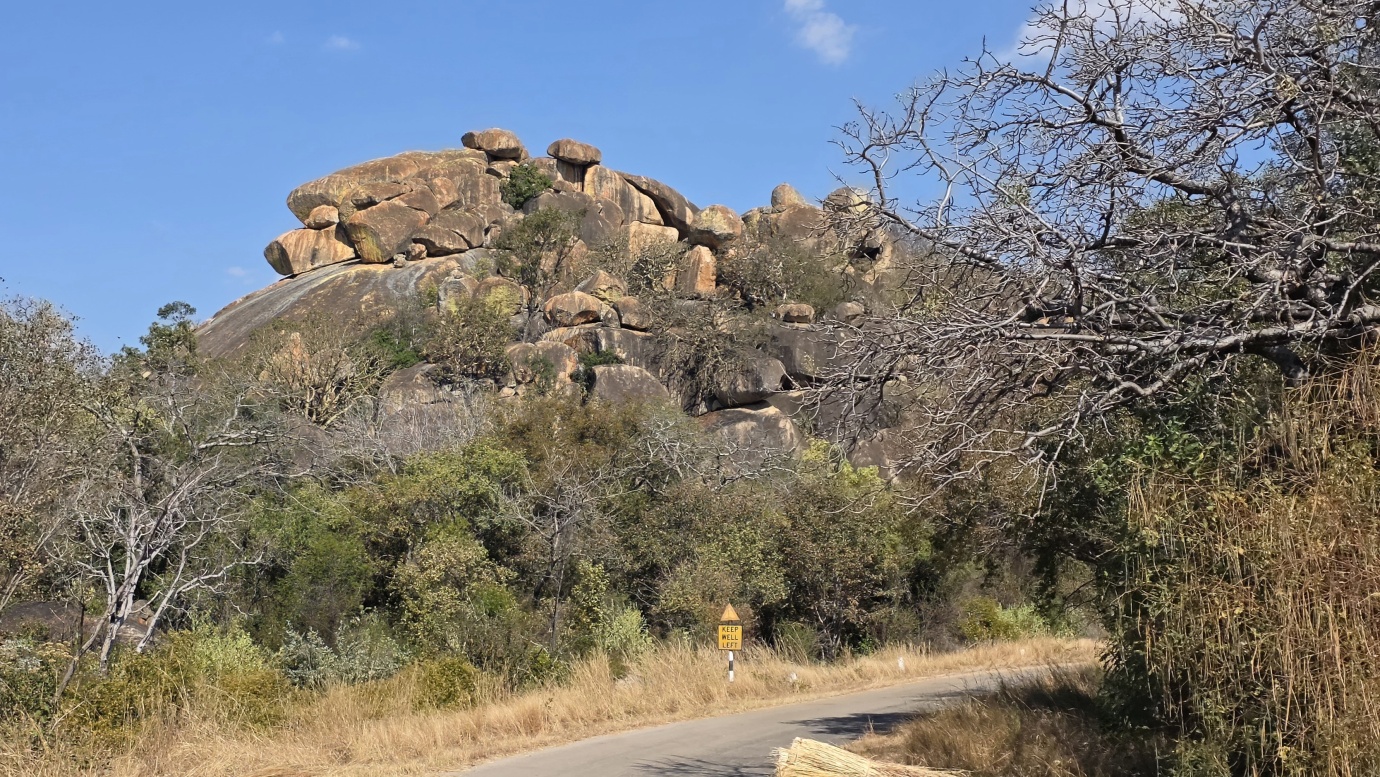
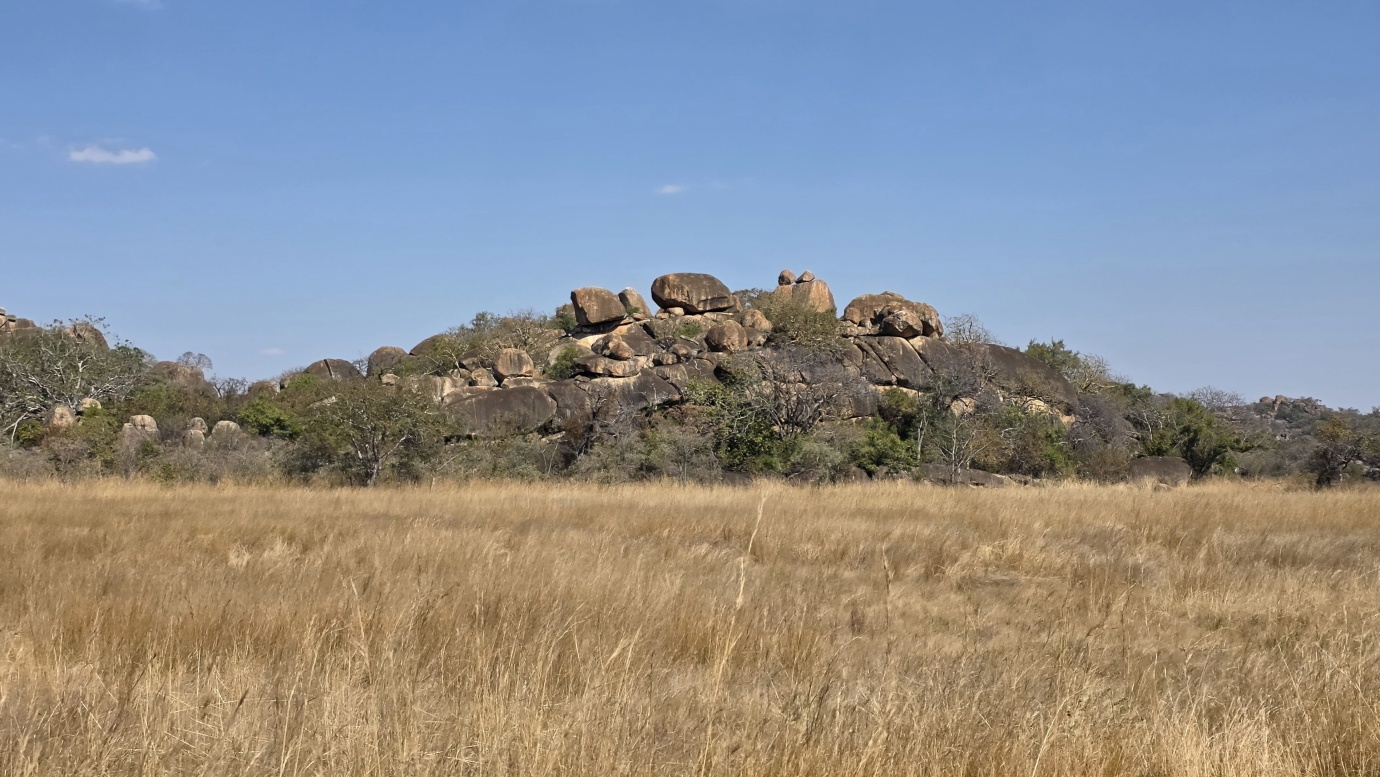
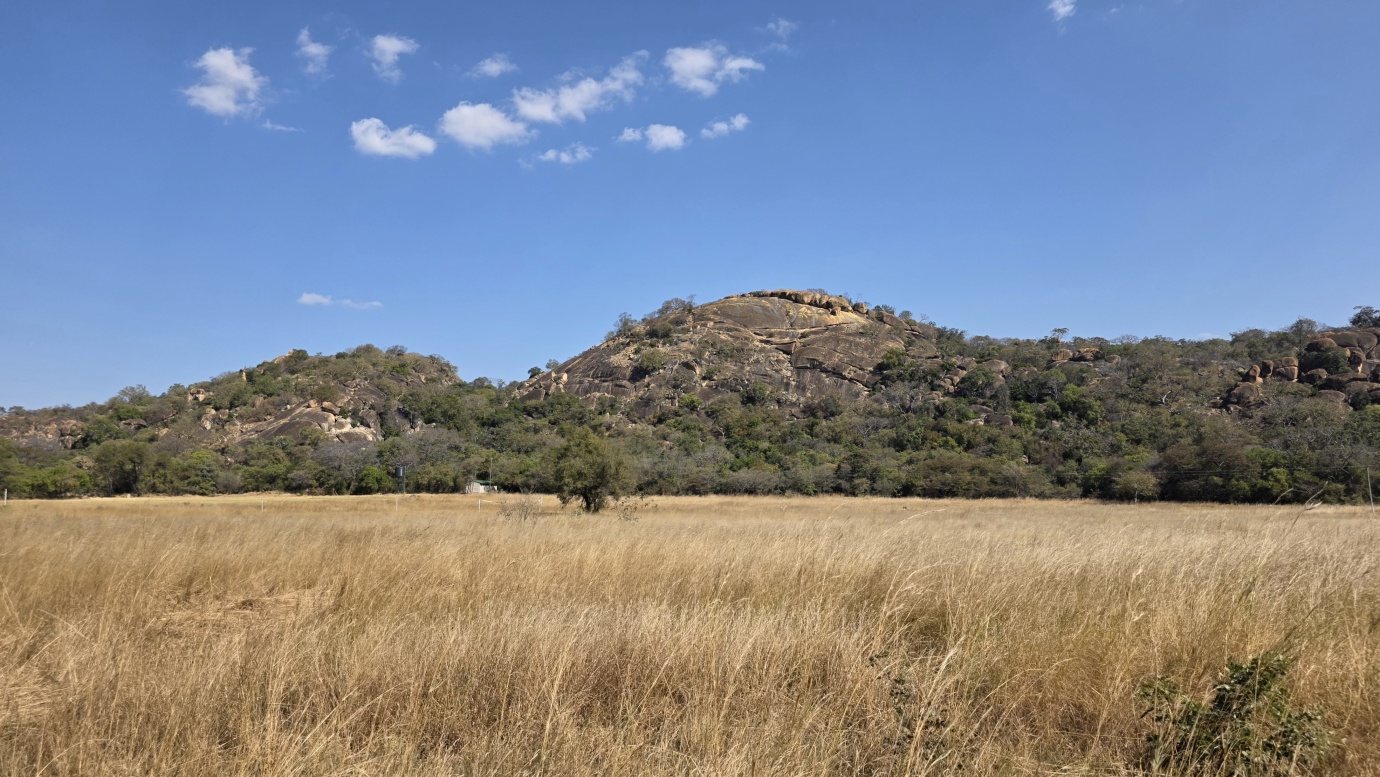
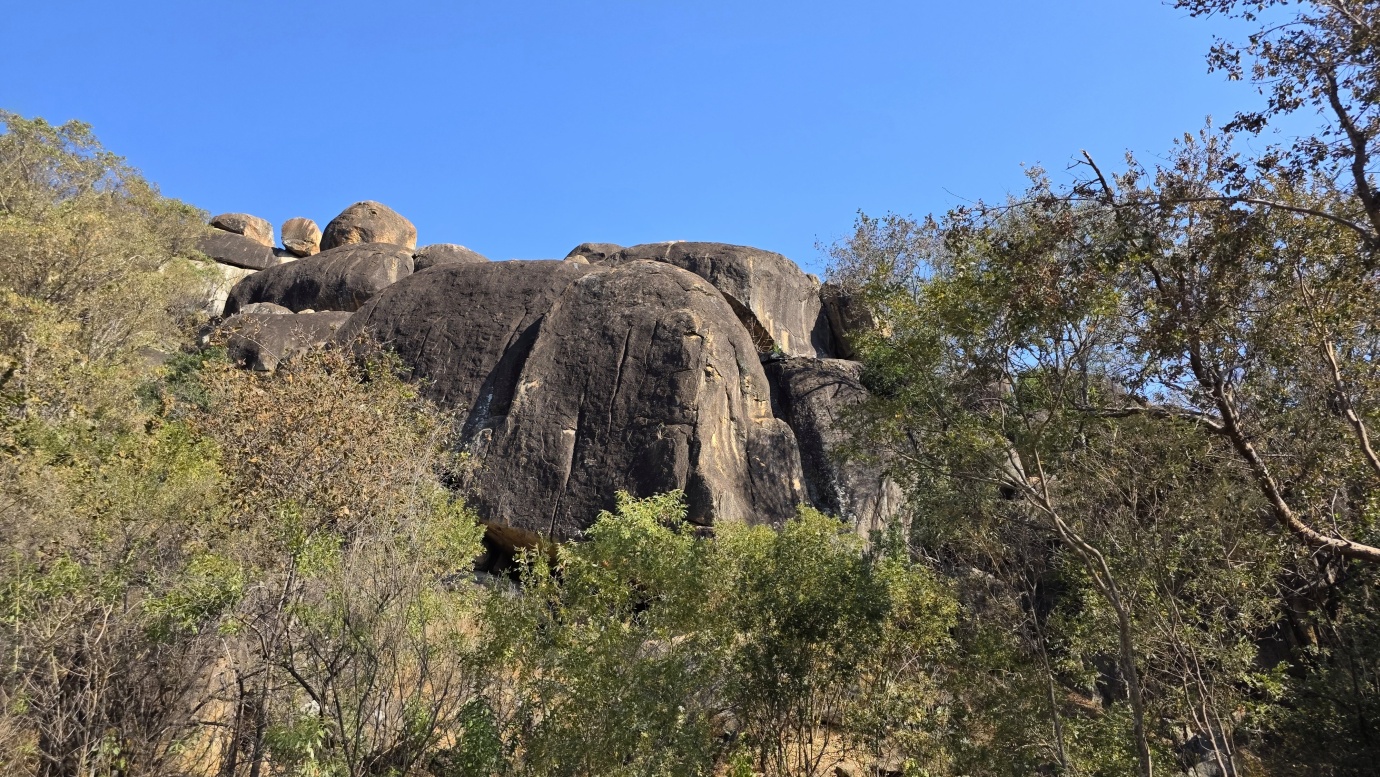
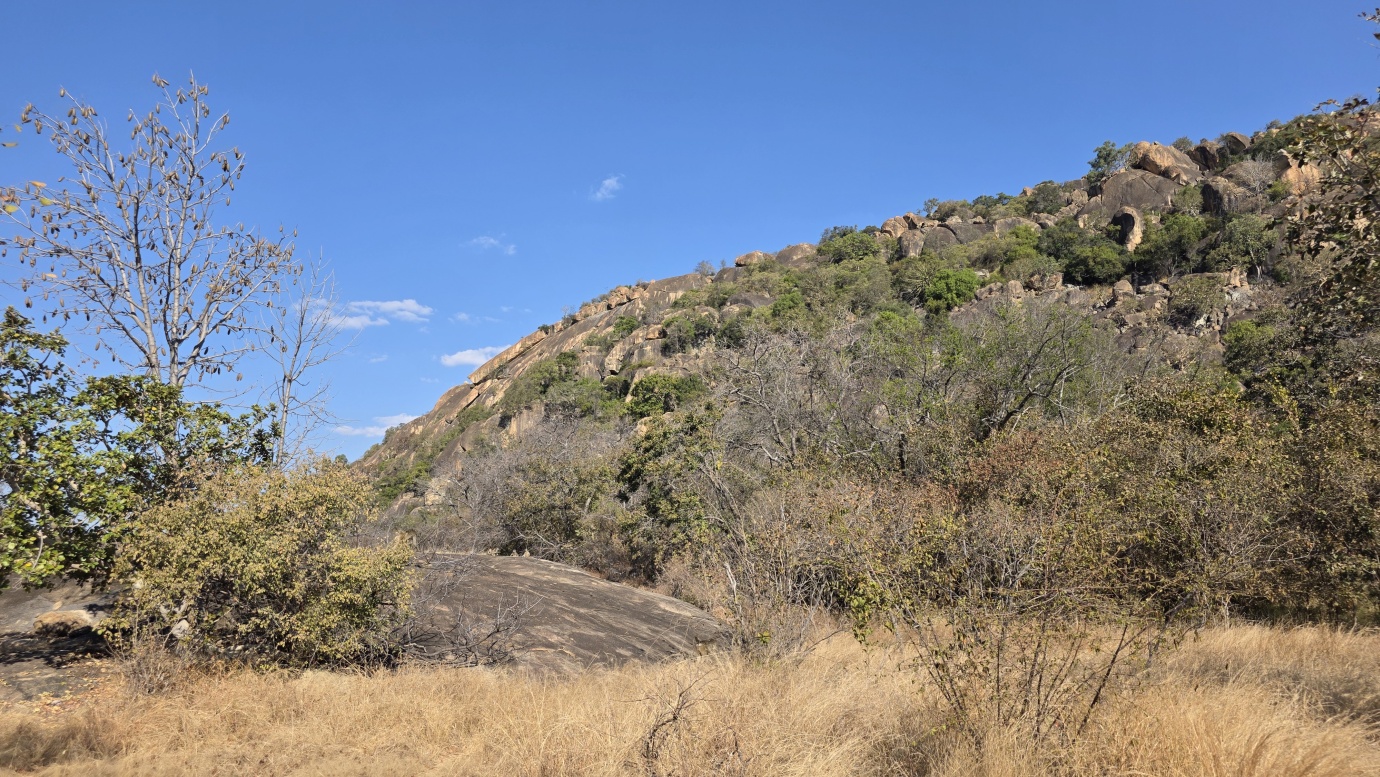
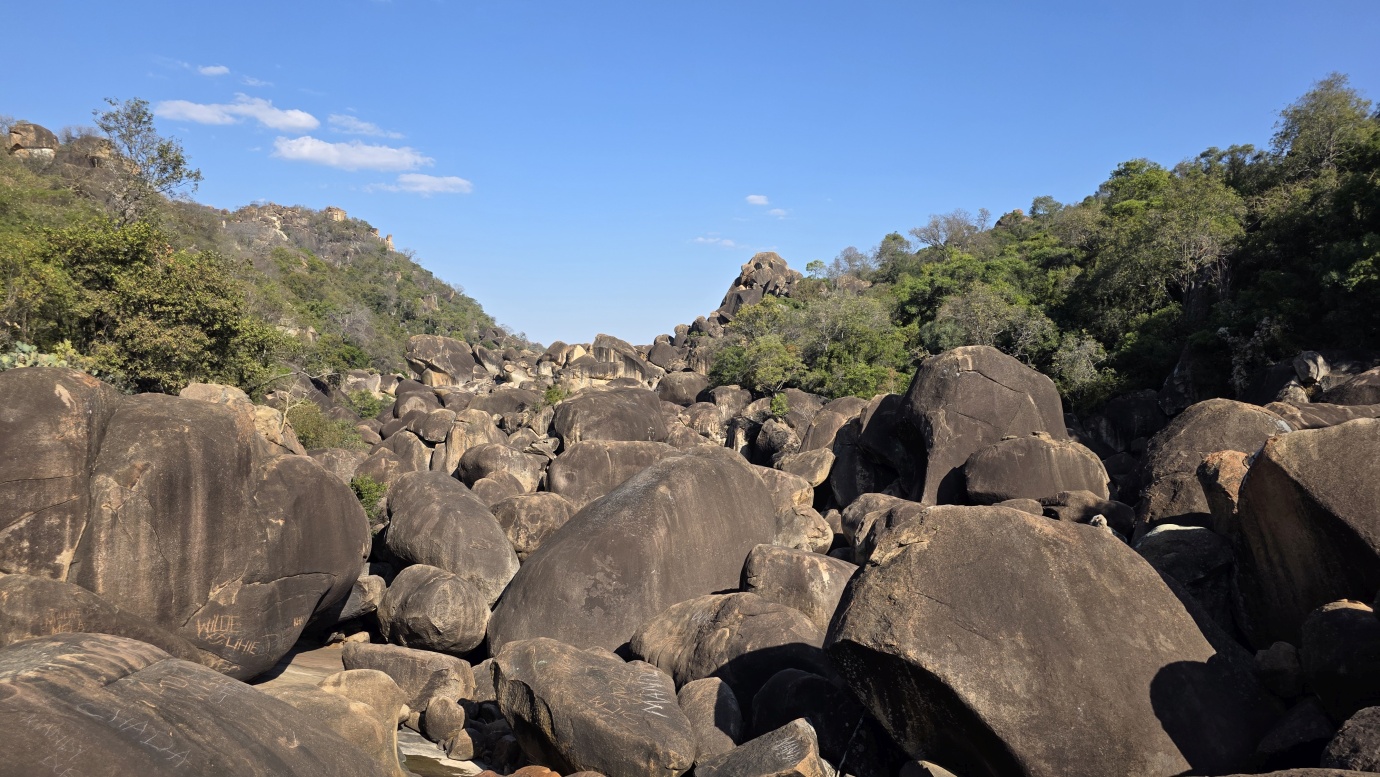
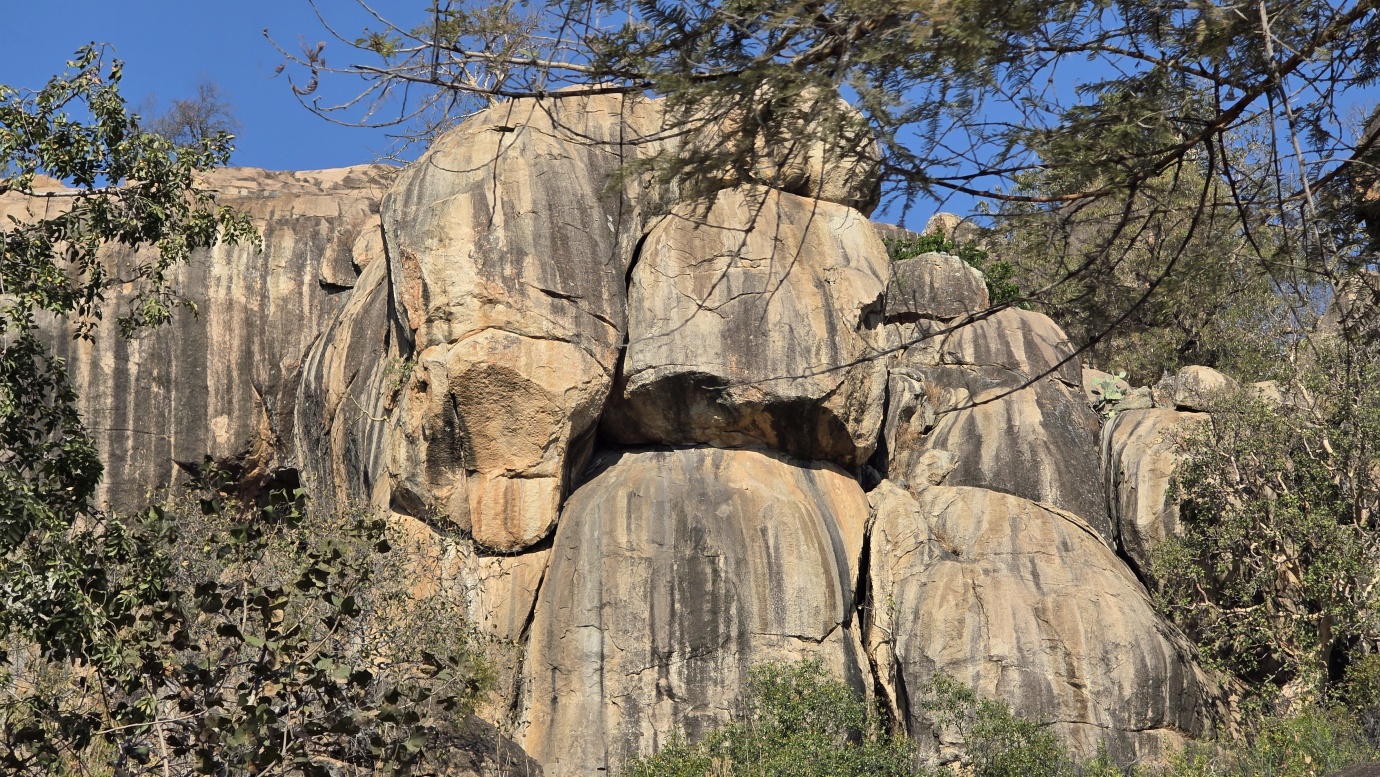
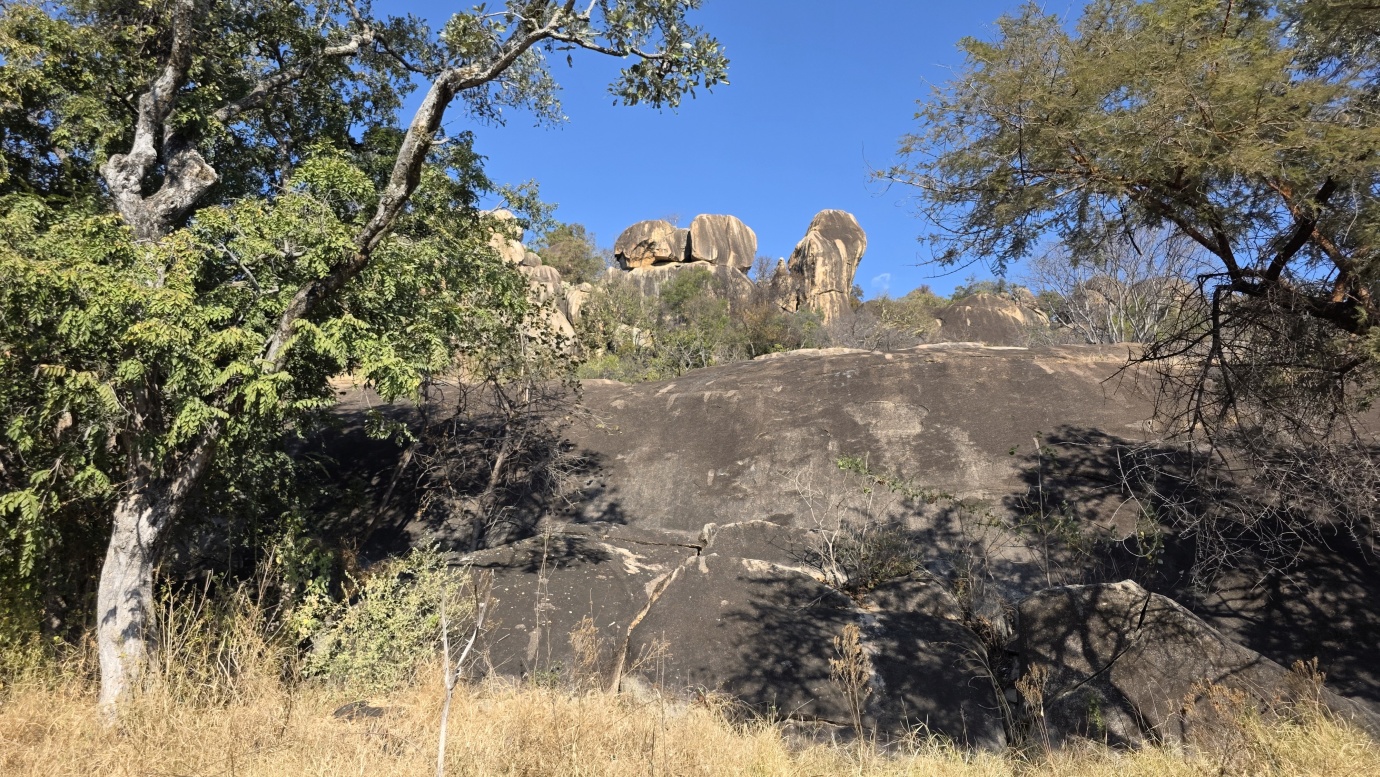
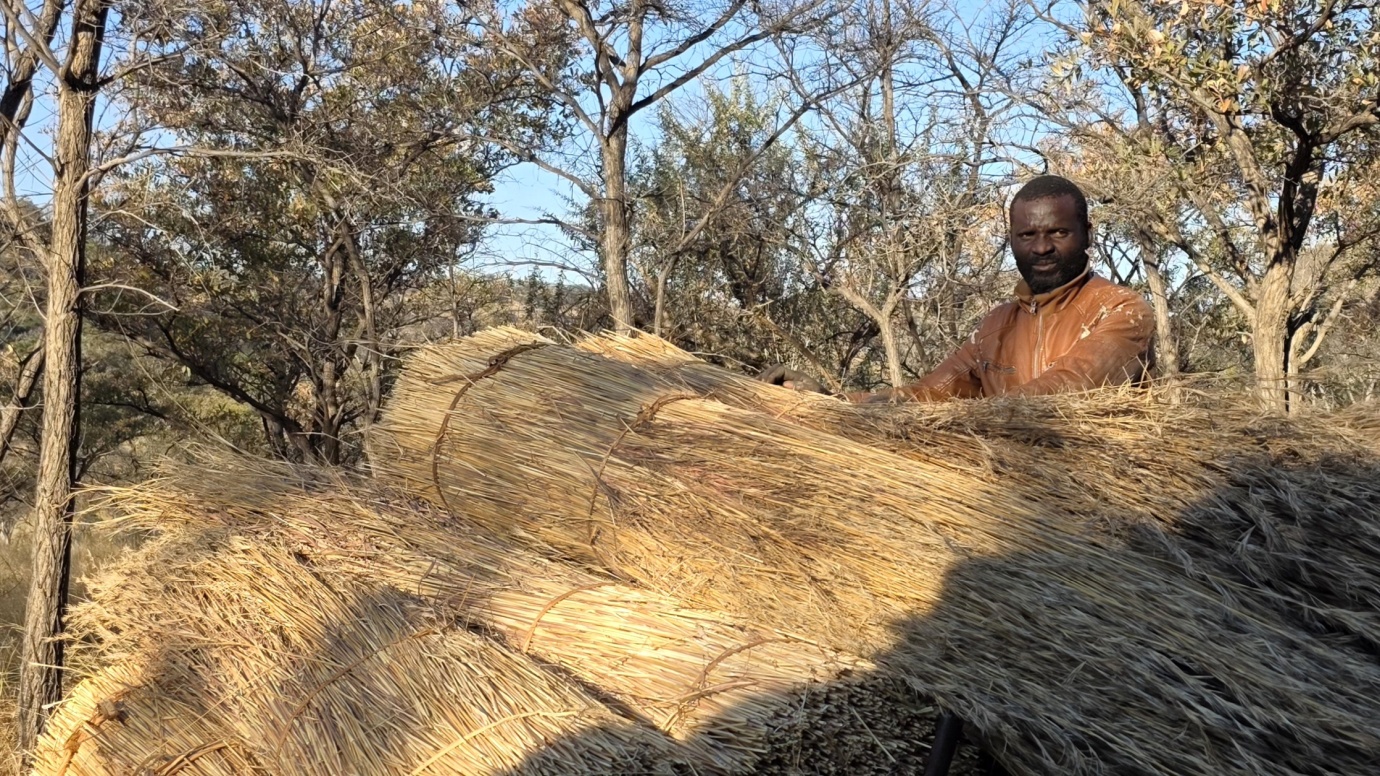
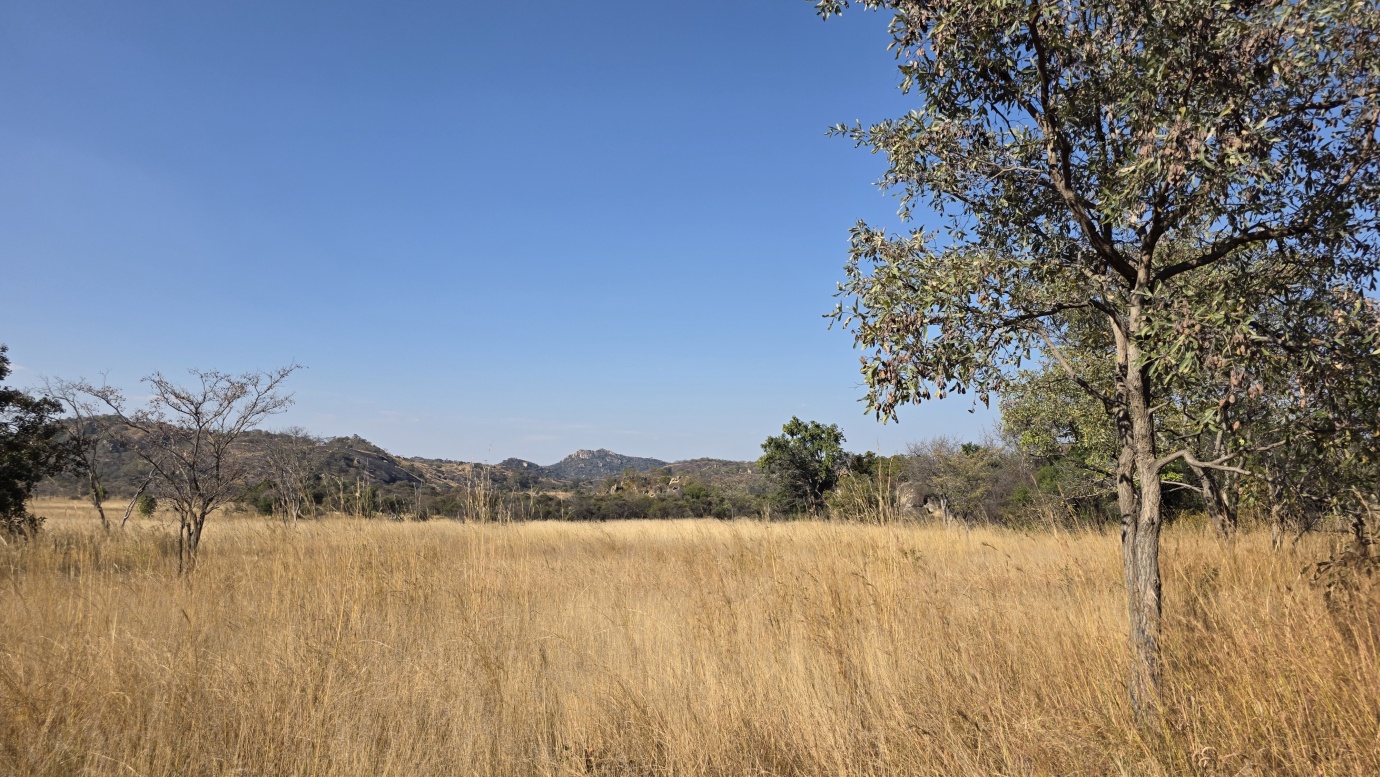
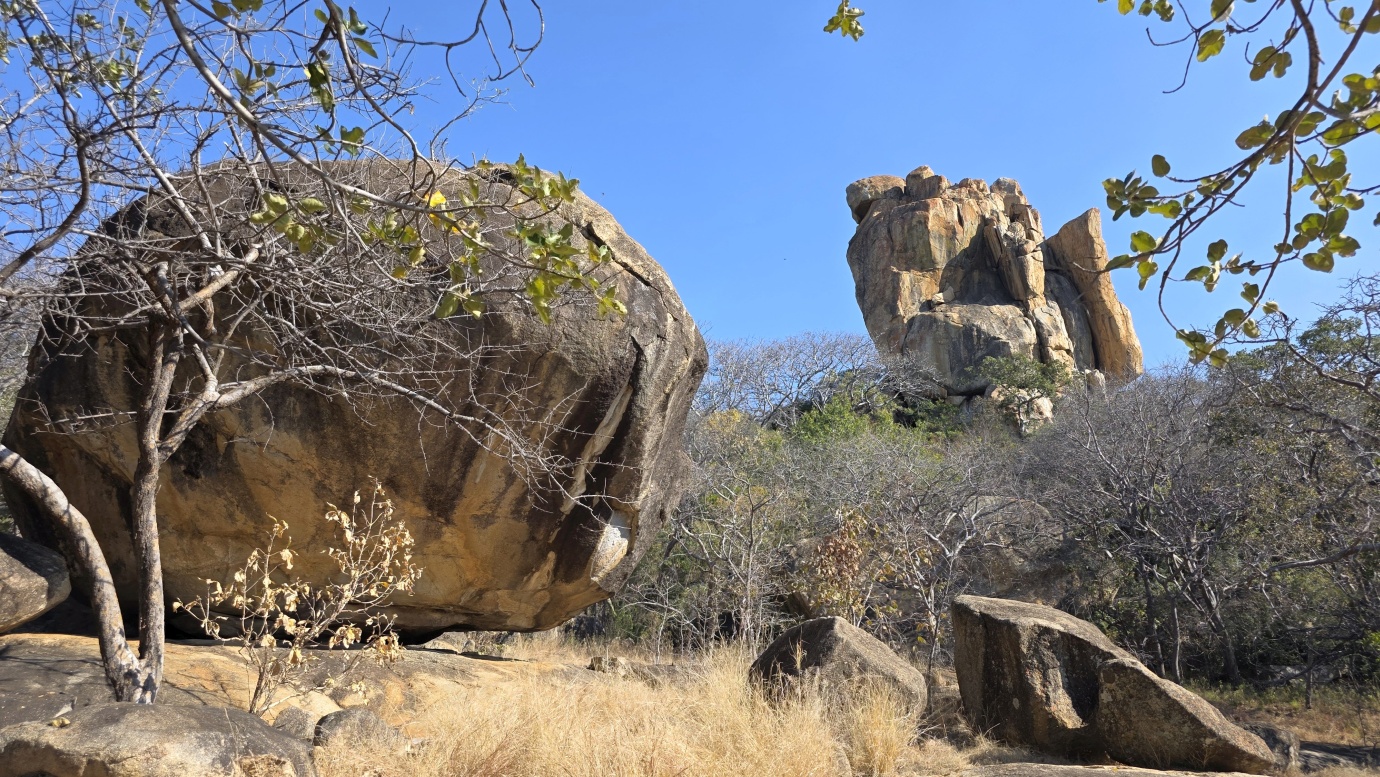
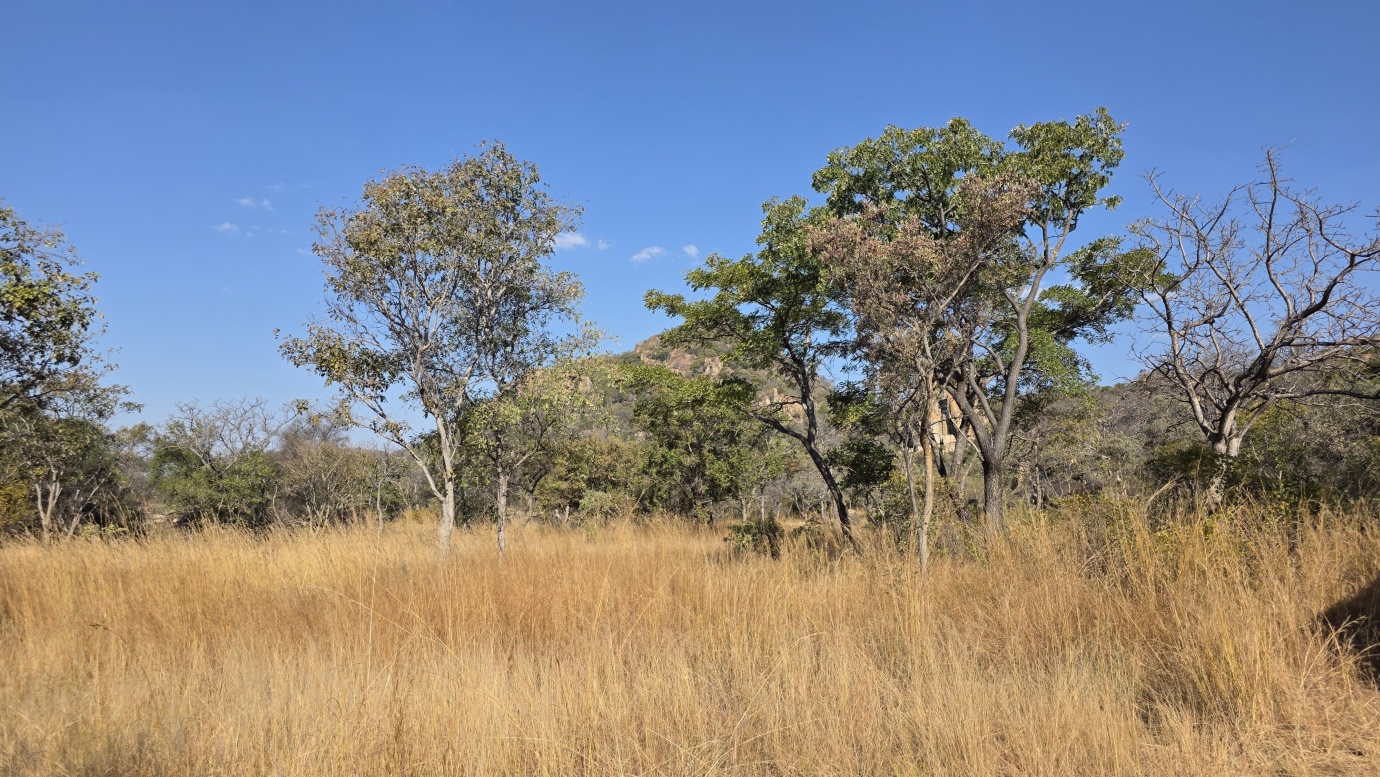
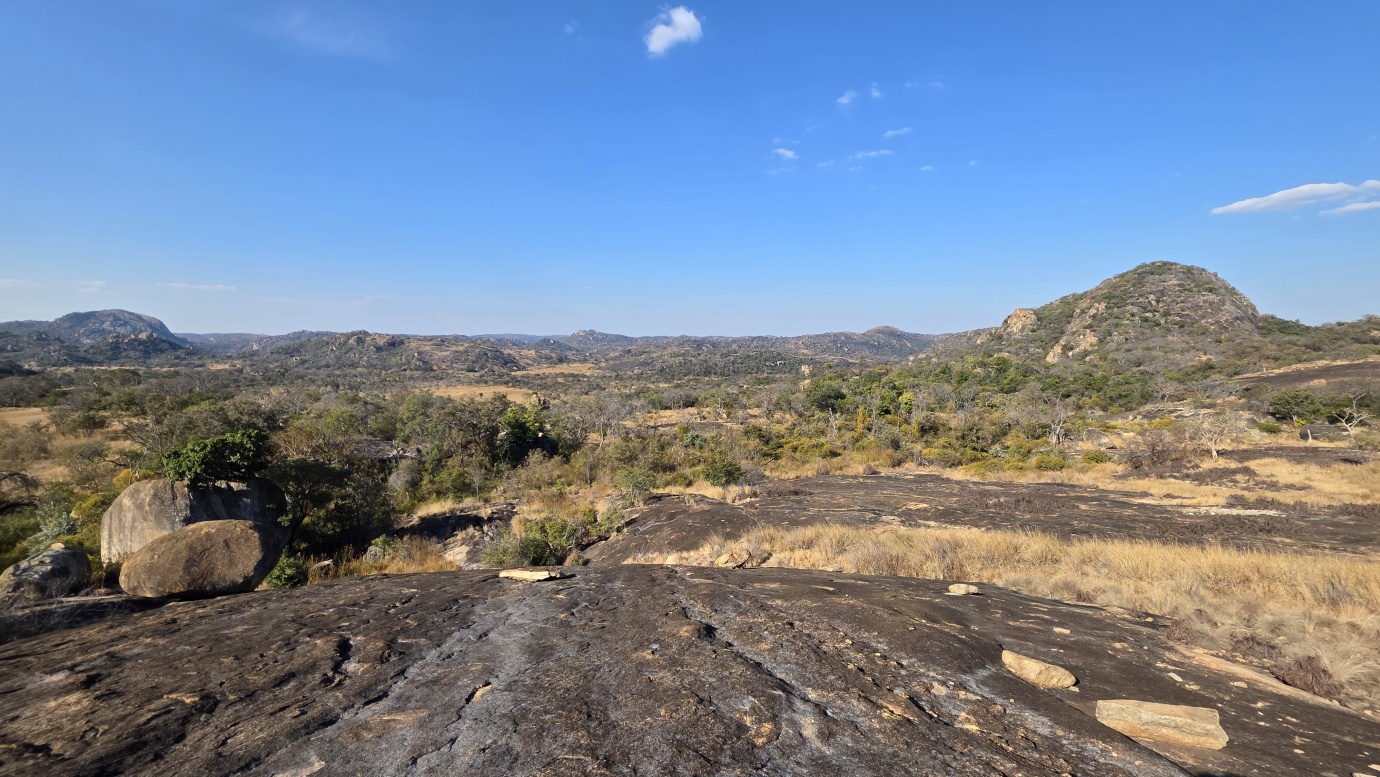
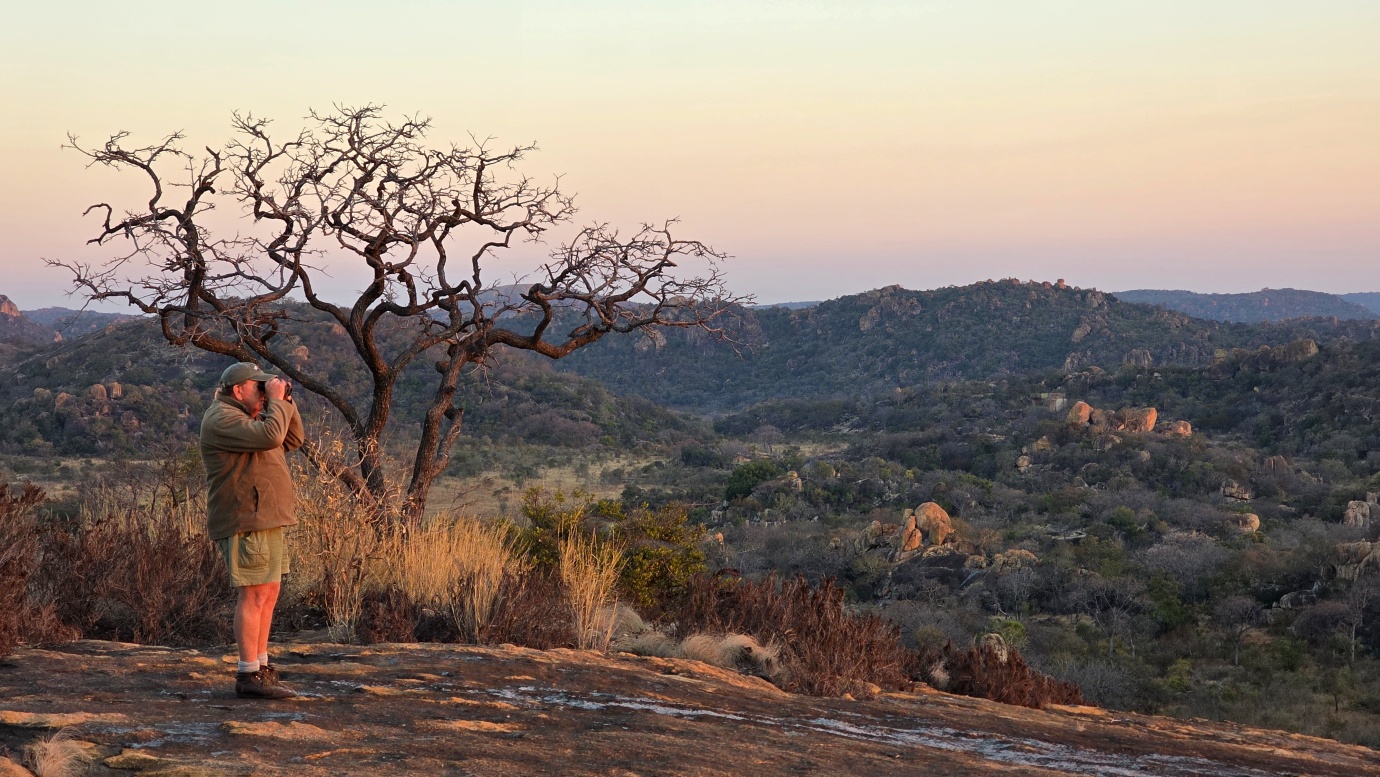
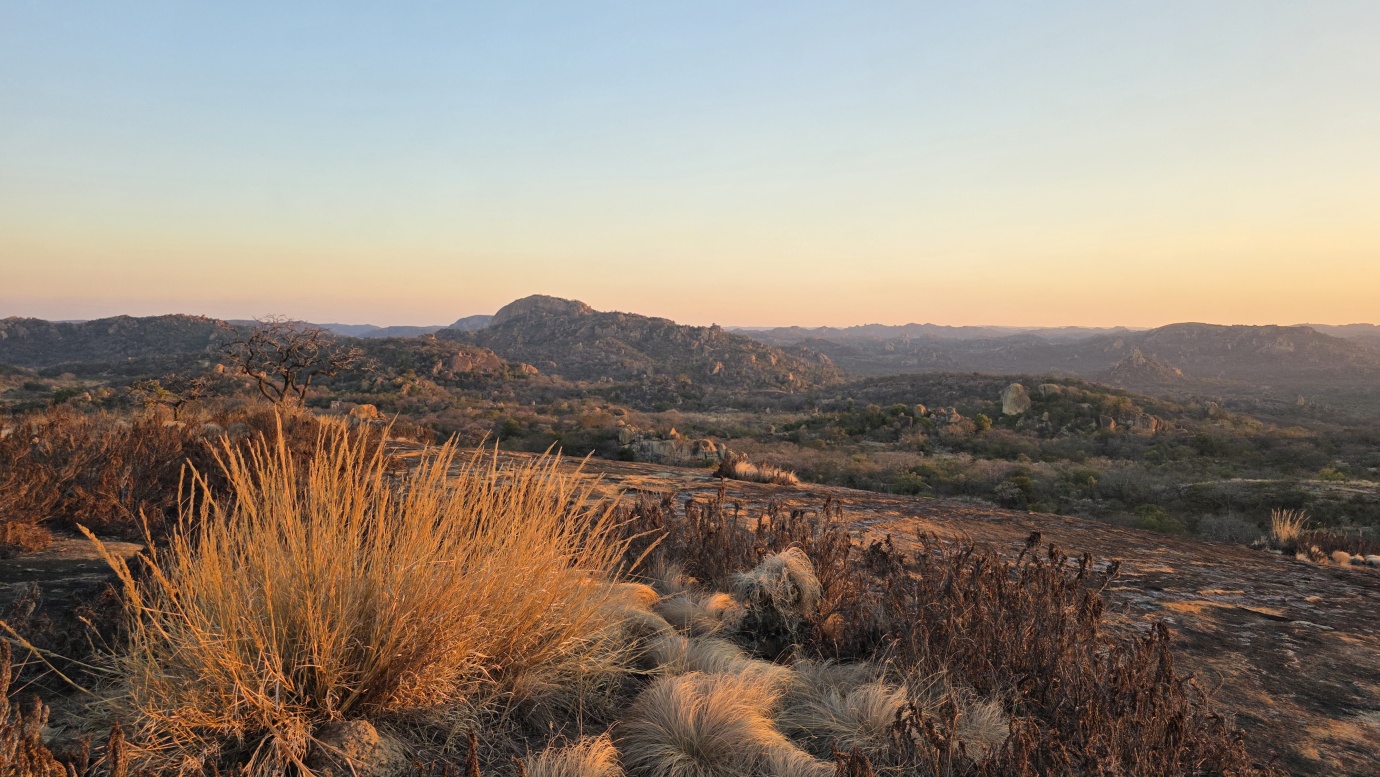
Today, we were invited by Ian Harmer (📞+263 772 224 069) from African Wanderer to explore Matobo National Park, located just 35 km south of Bulawayo. A UNESCO World Heritage Site, the park is renowned for its spectacular granite balancing rocks, extensive San rock art, and one of Africa’s most successful rhino conservation programs.
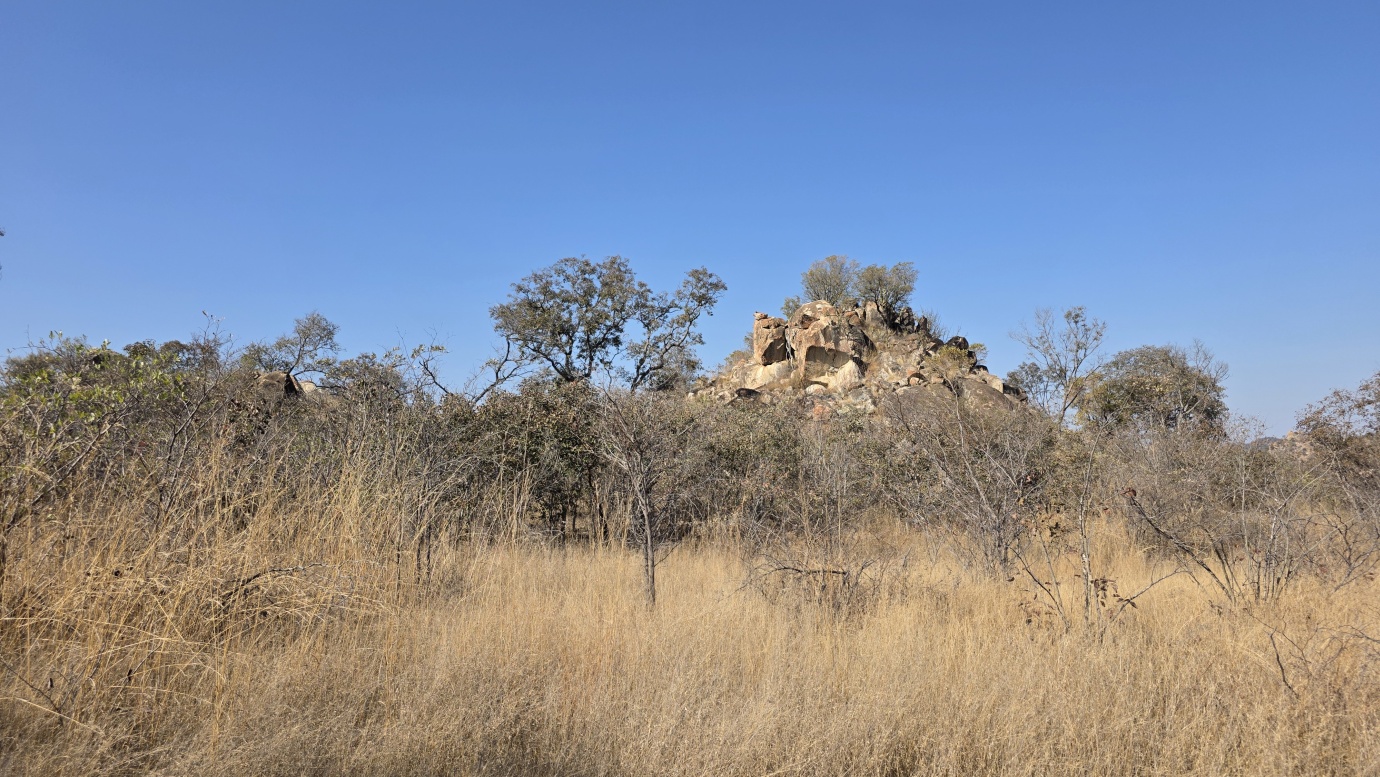
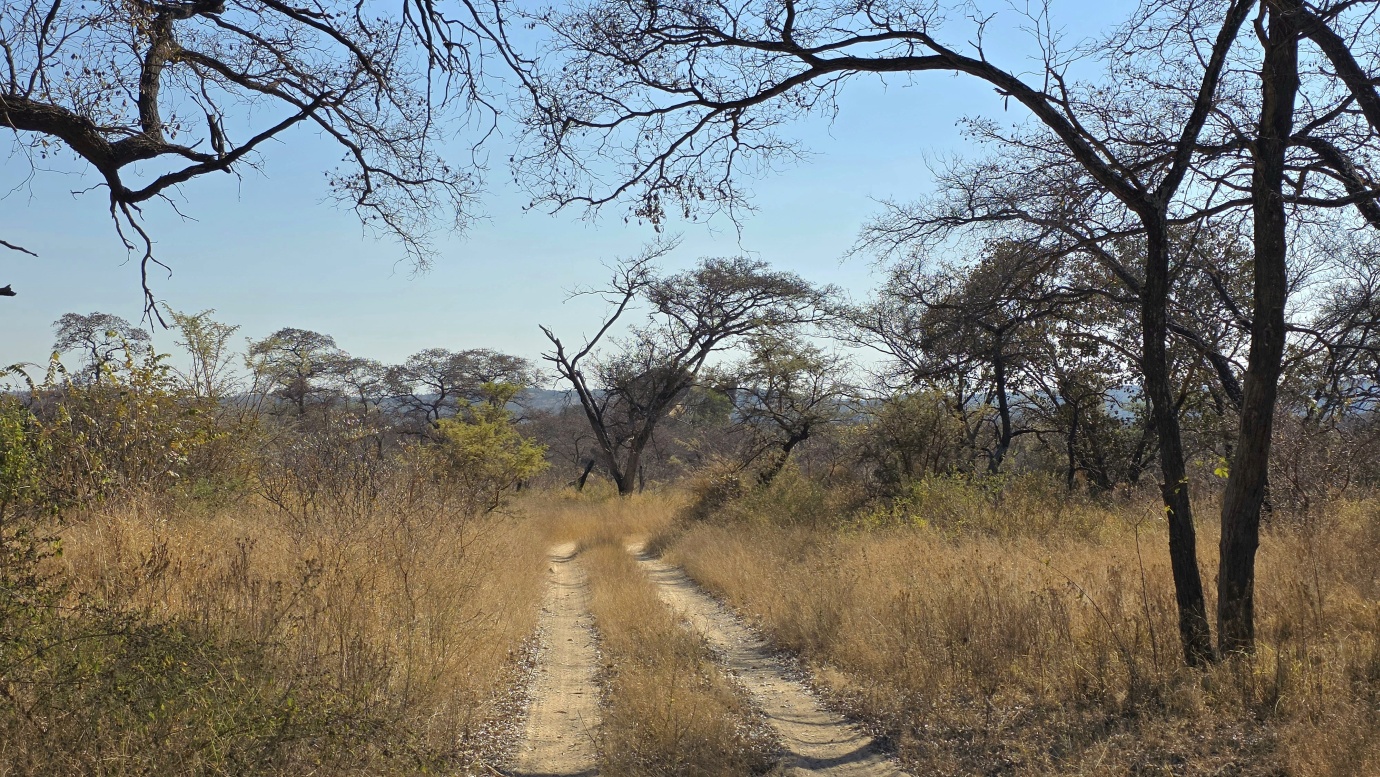
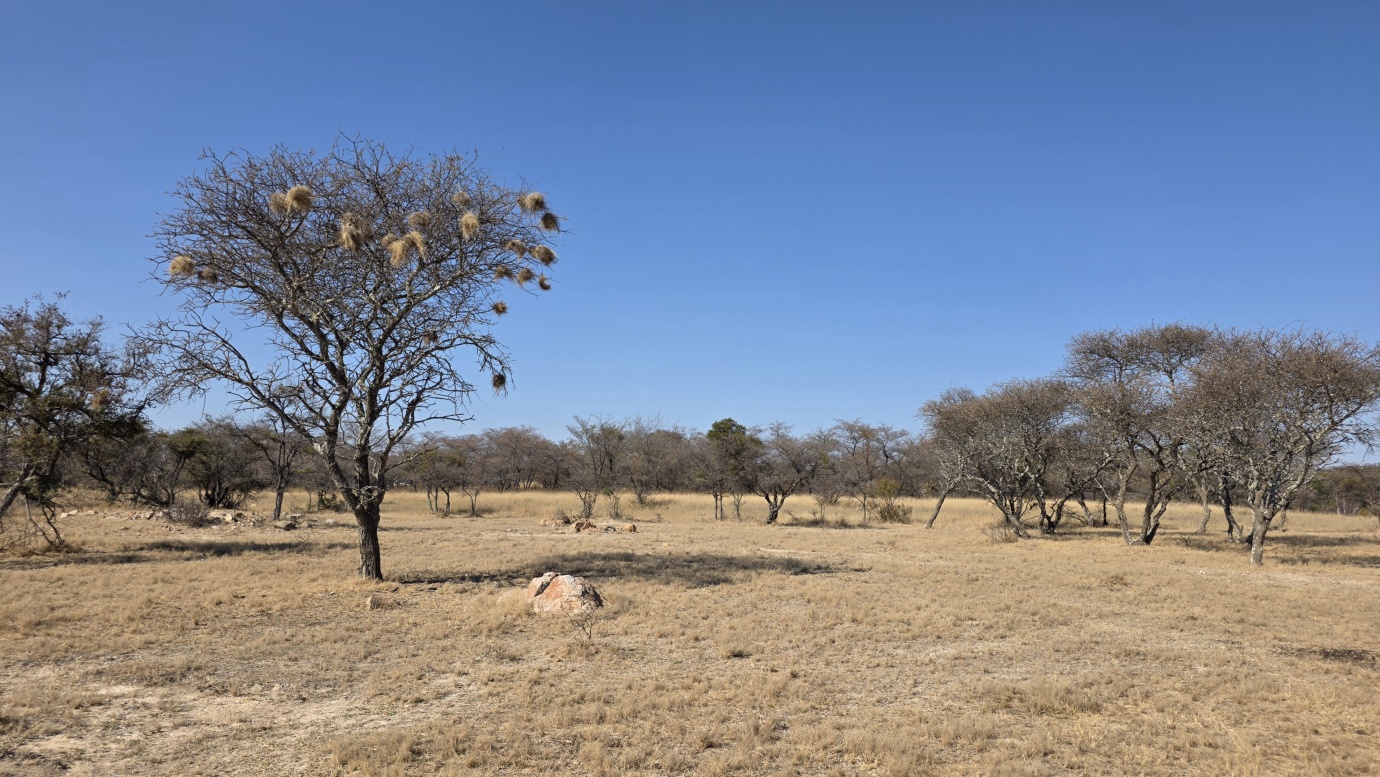
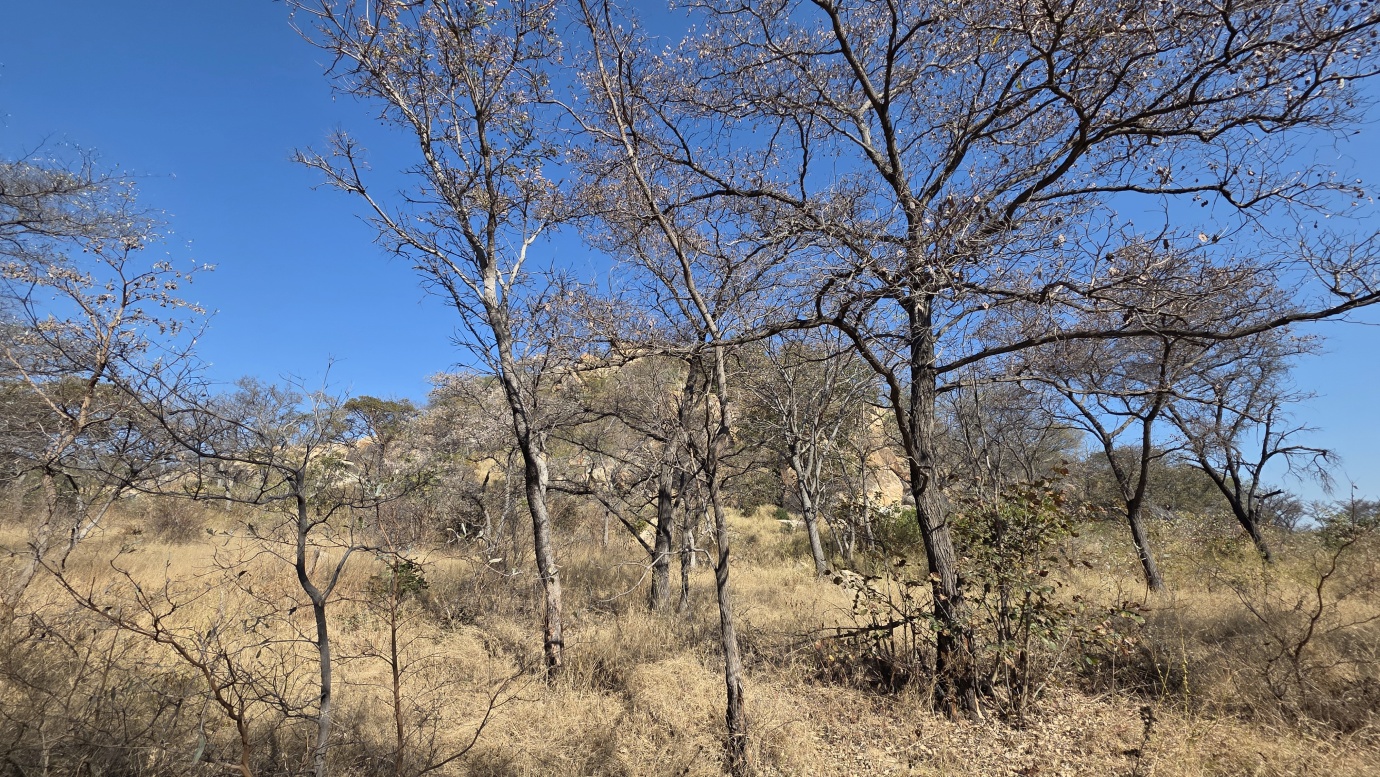
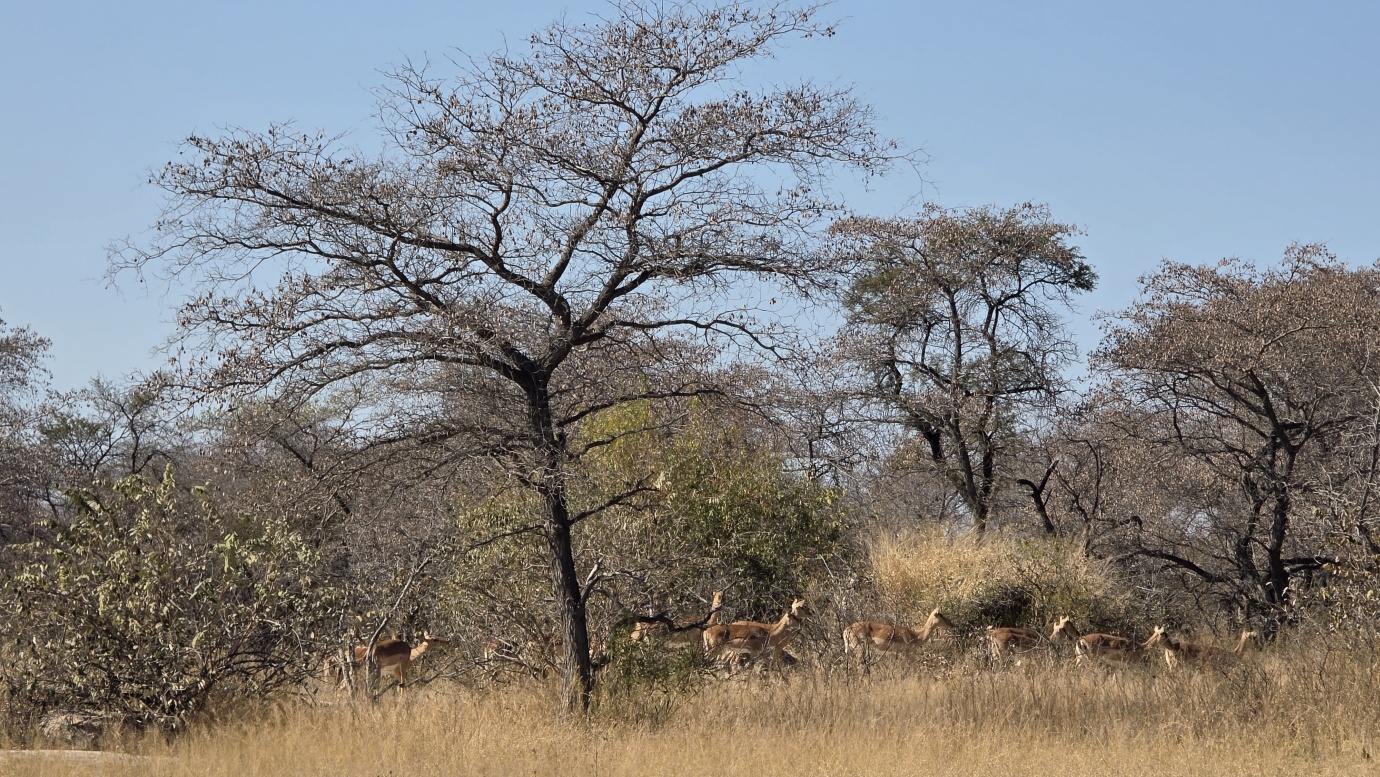
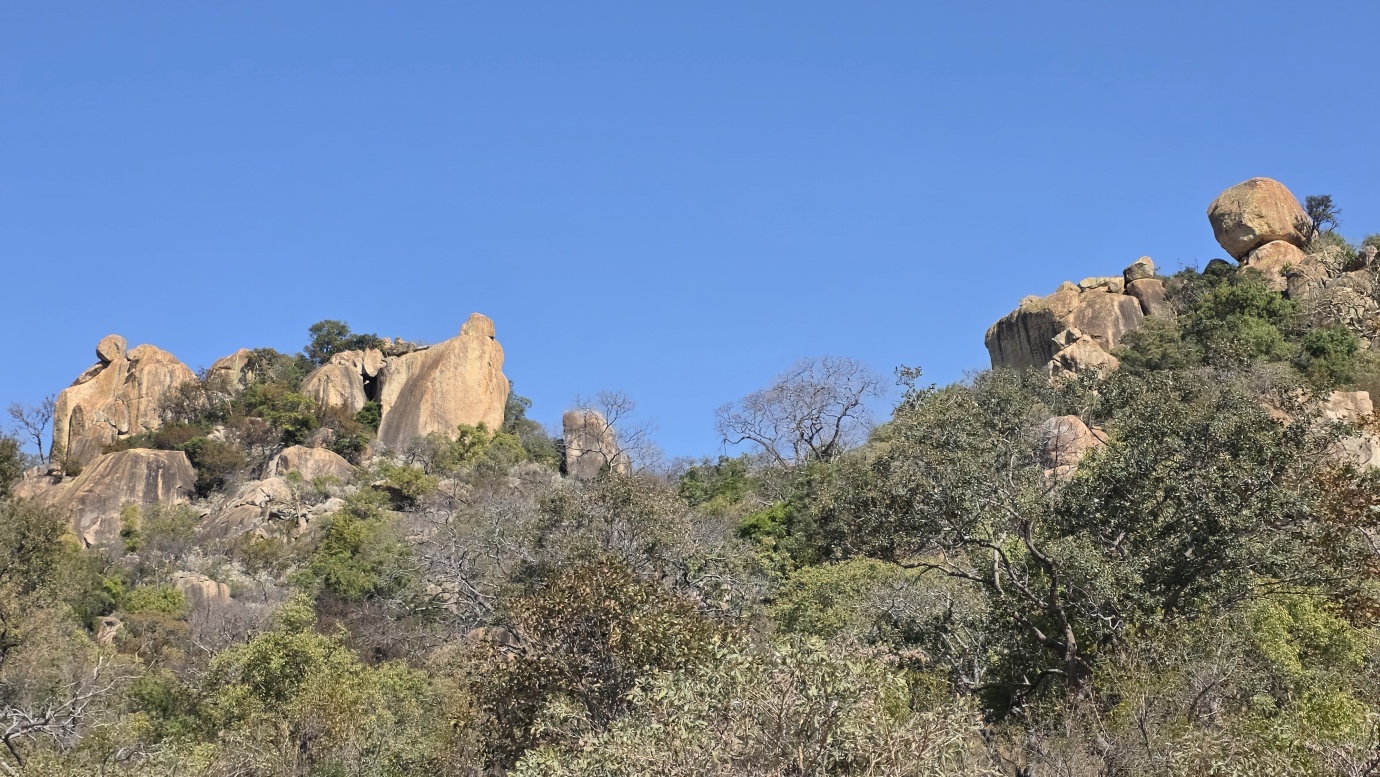
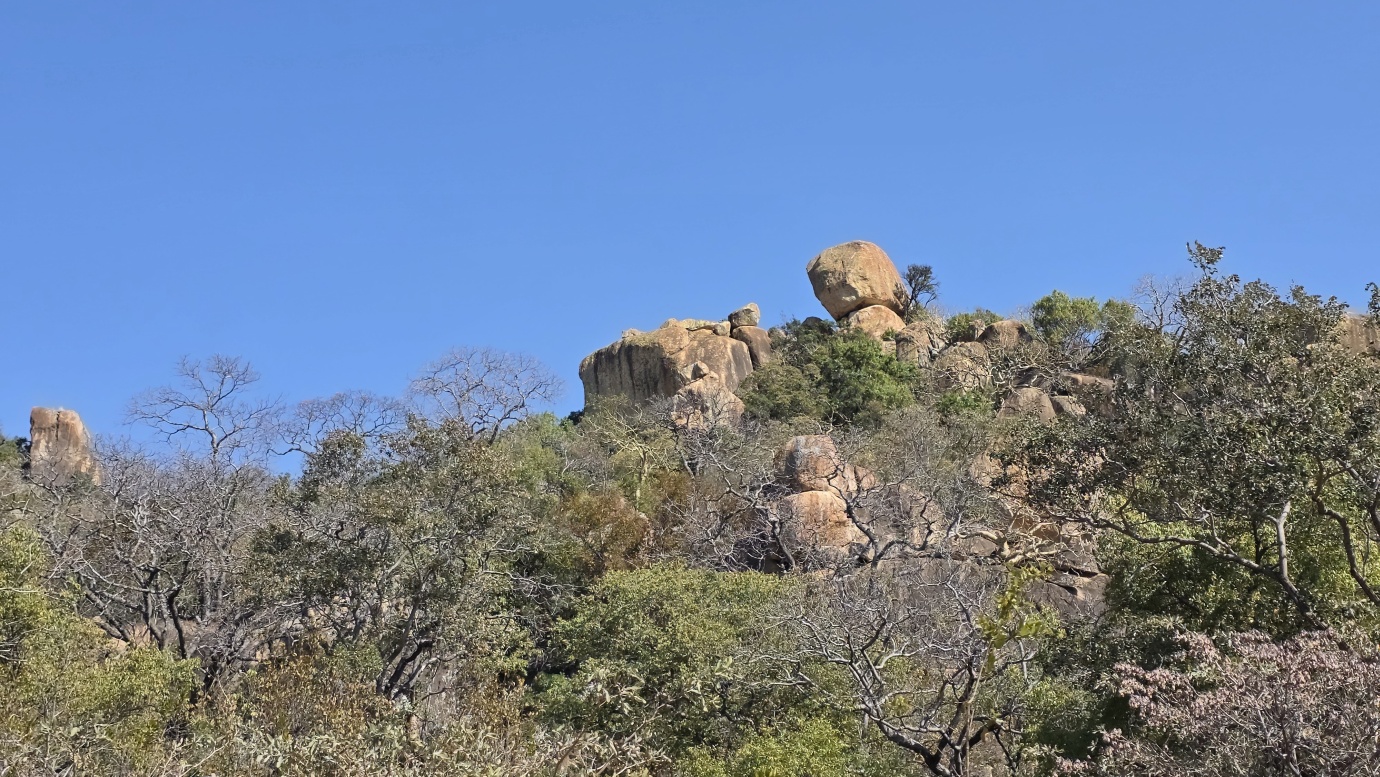
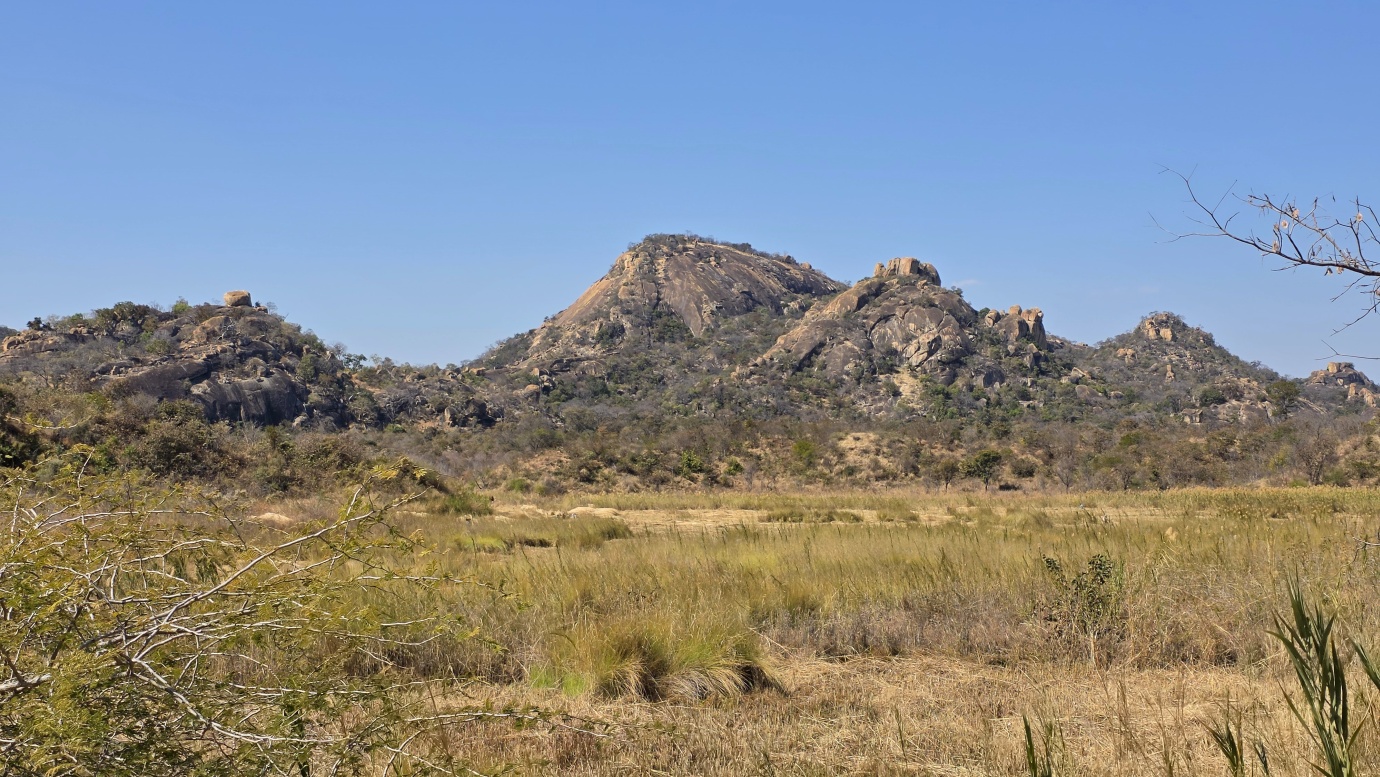
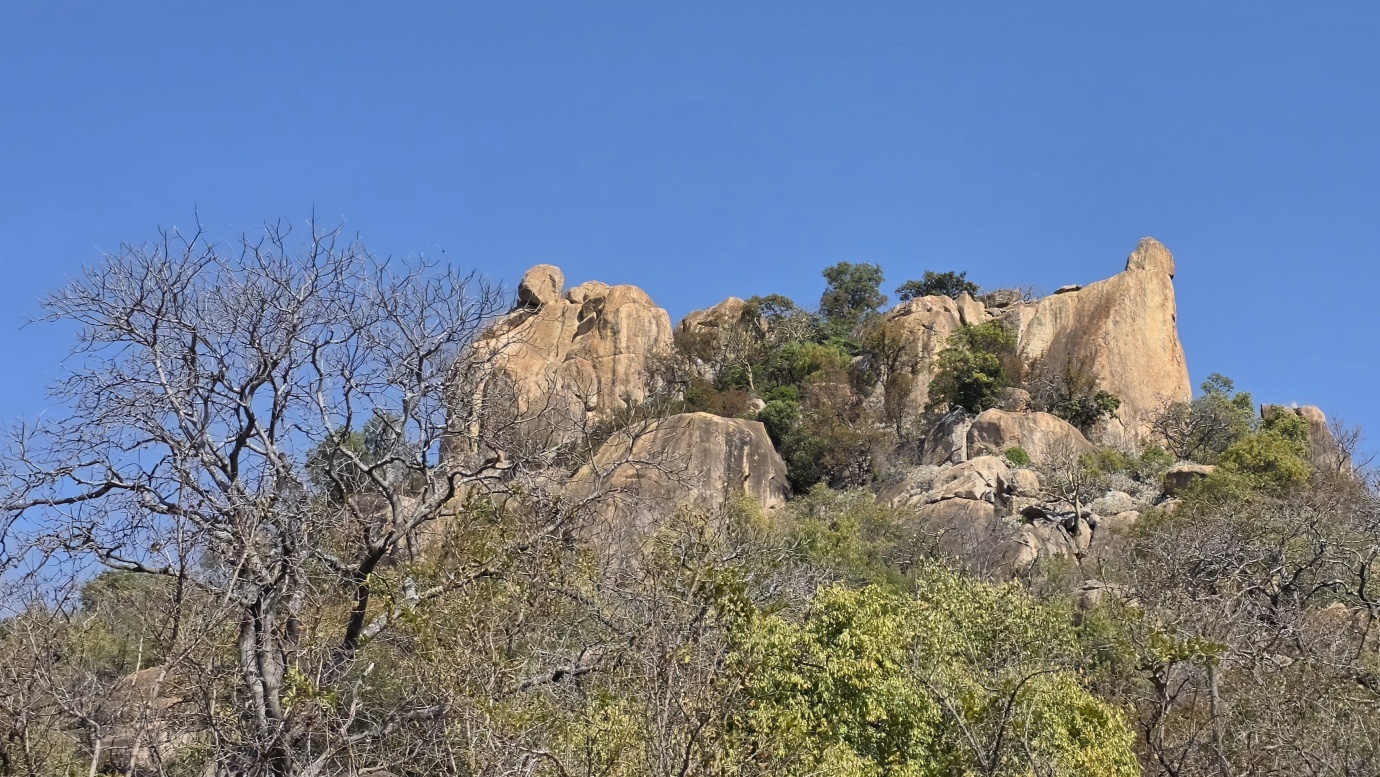
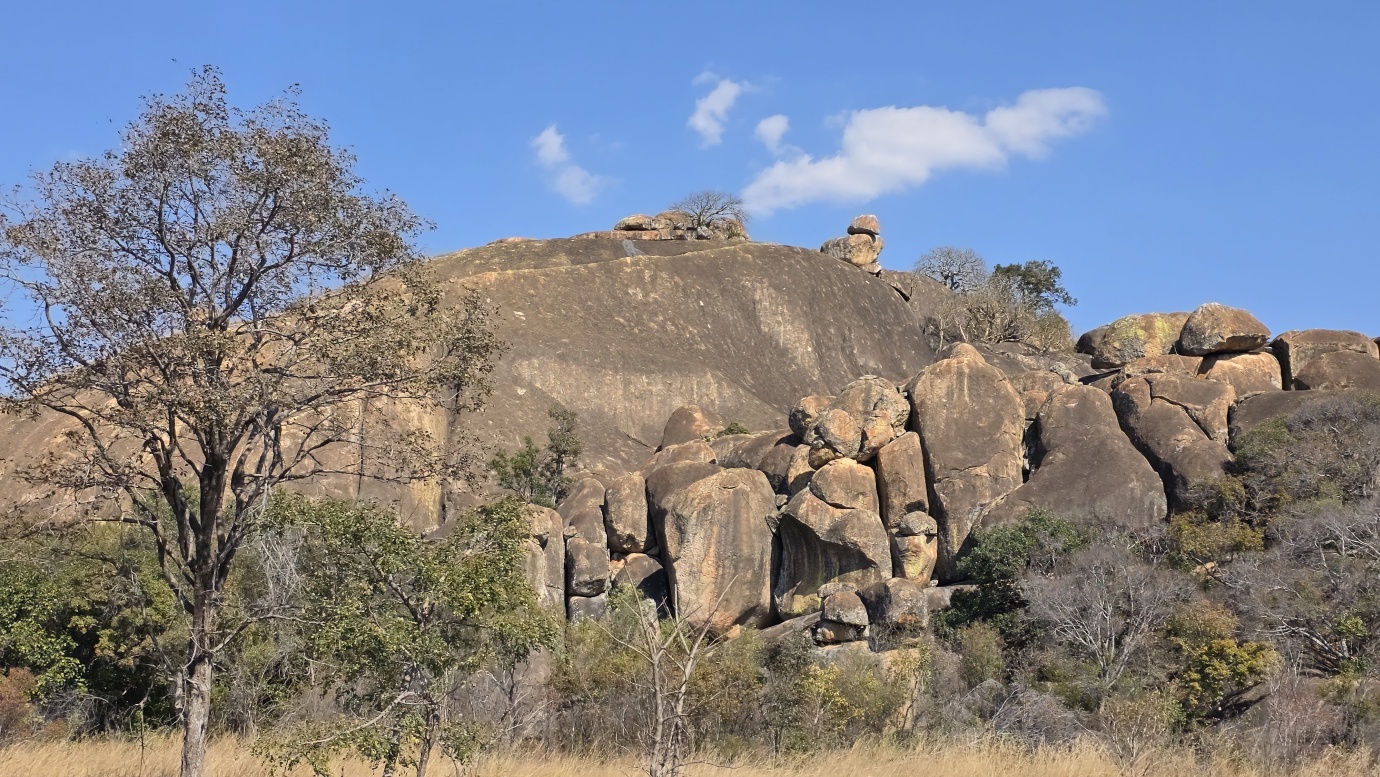
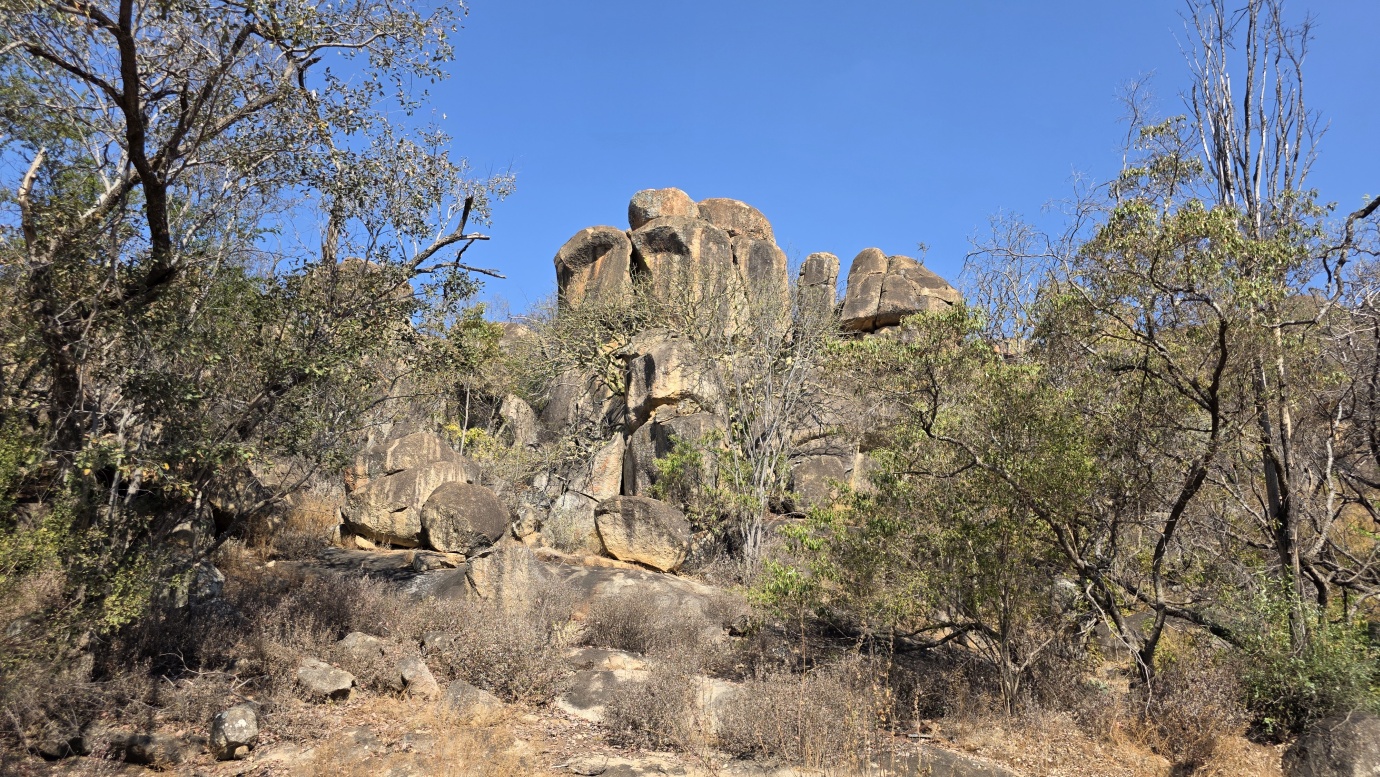
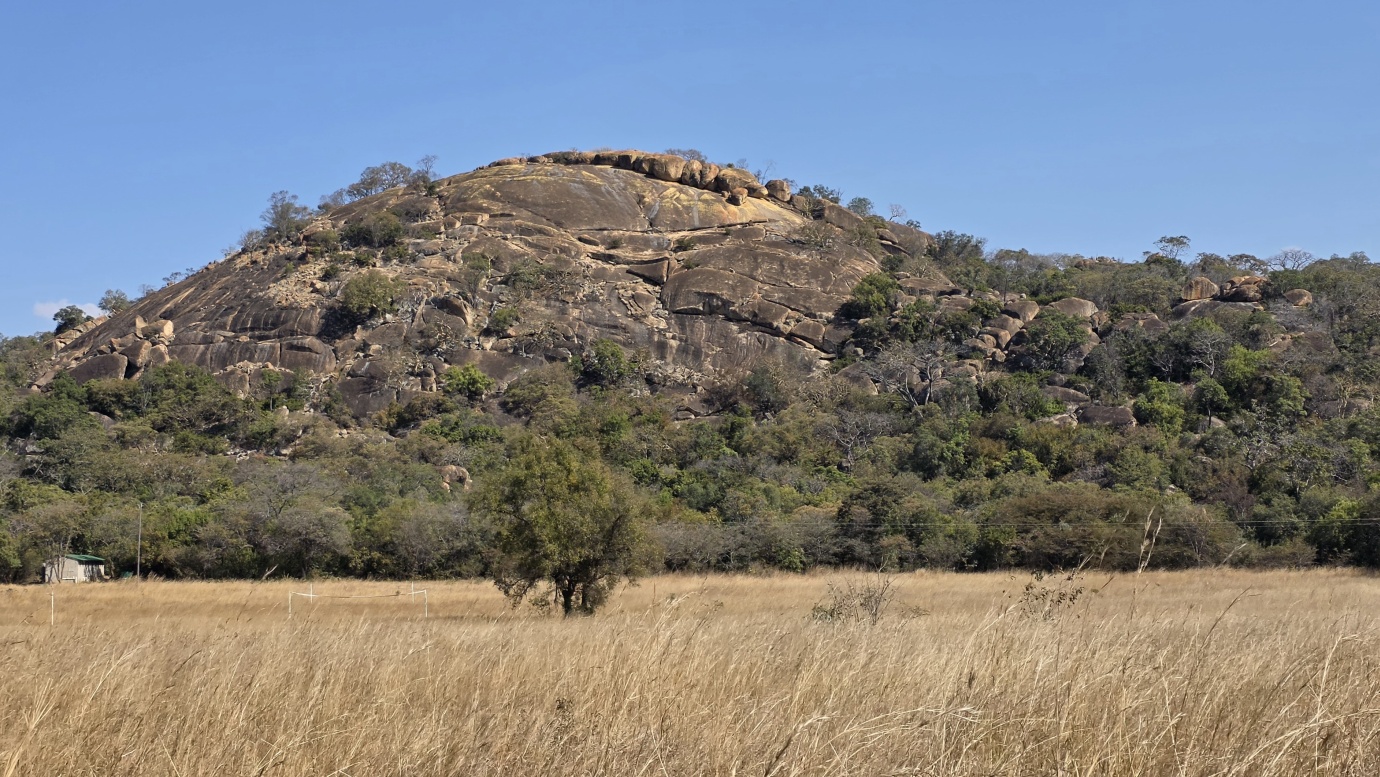
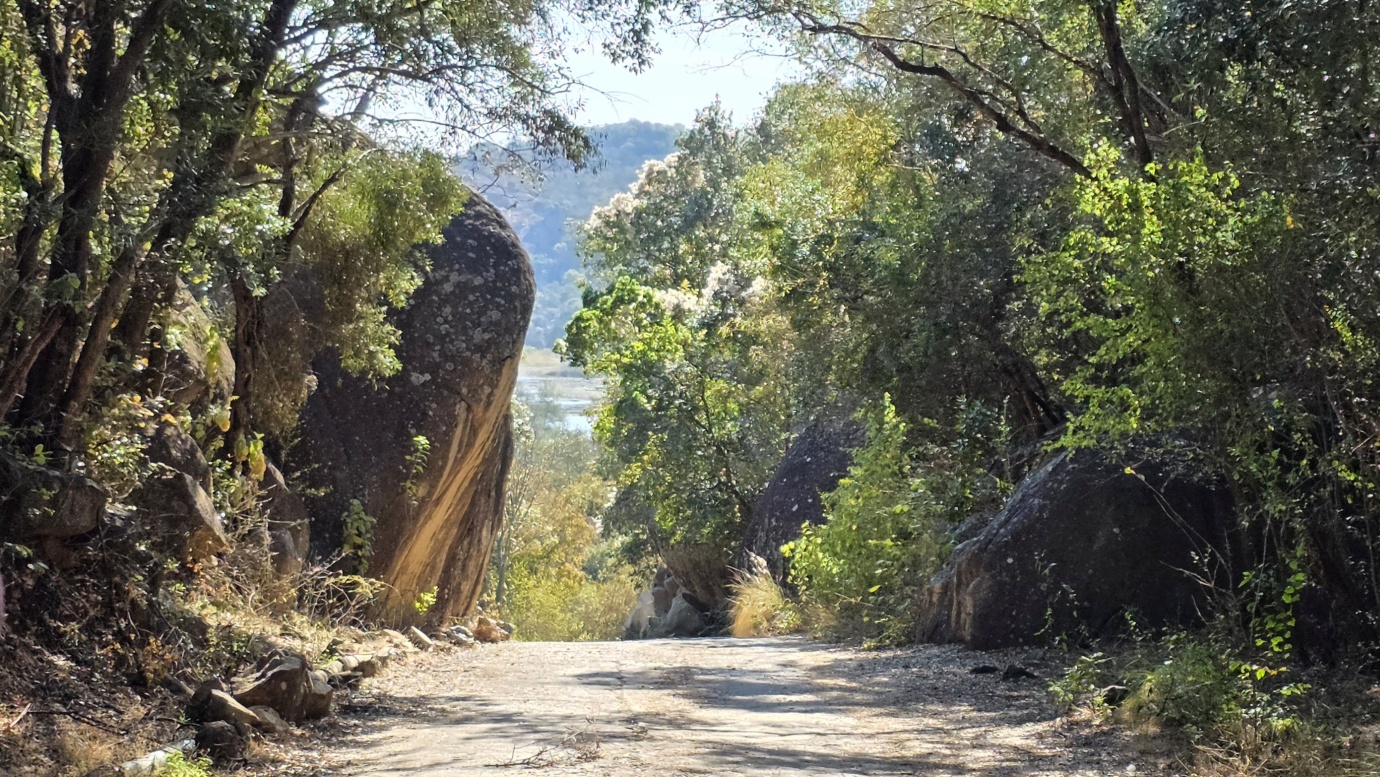
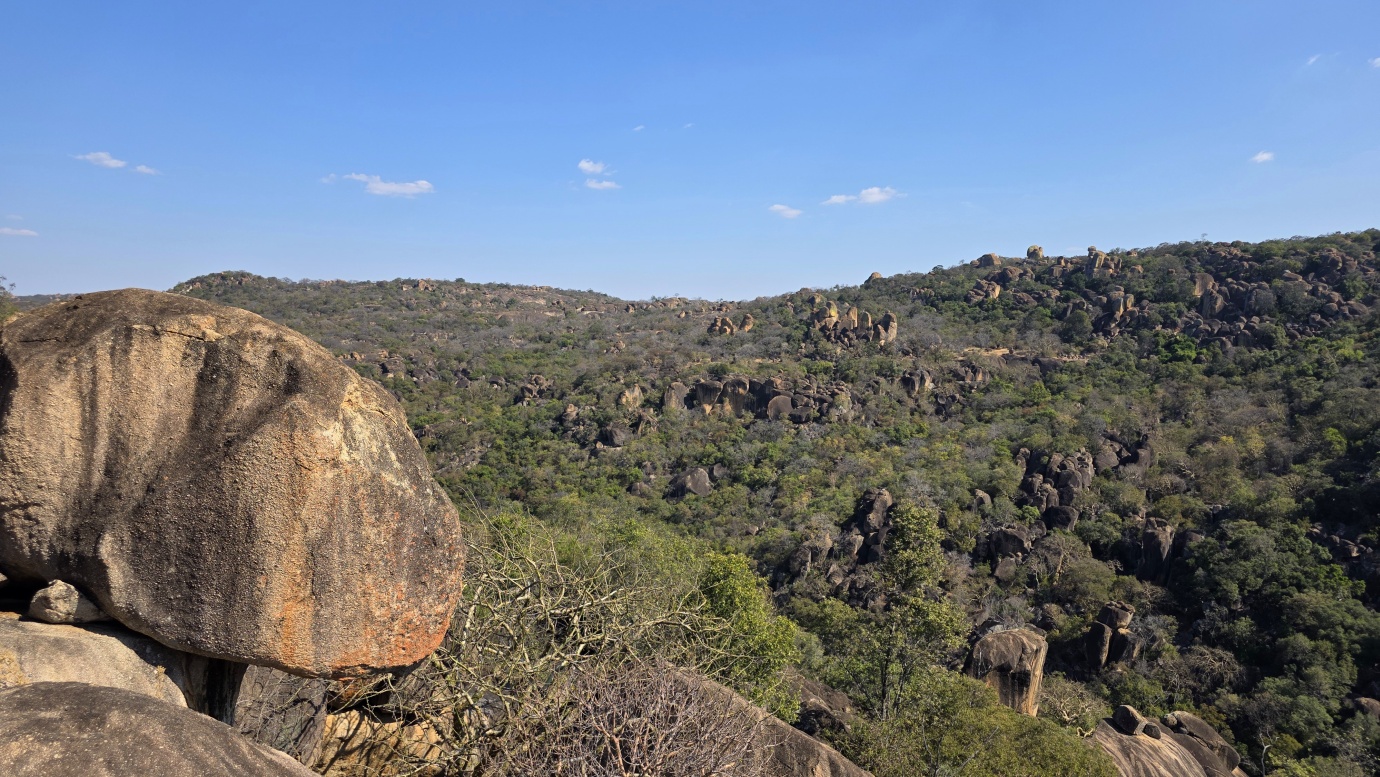
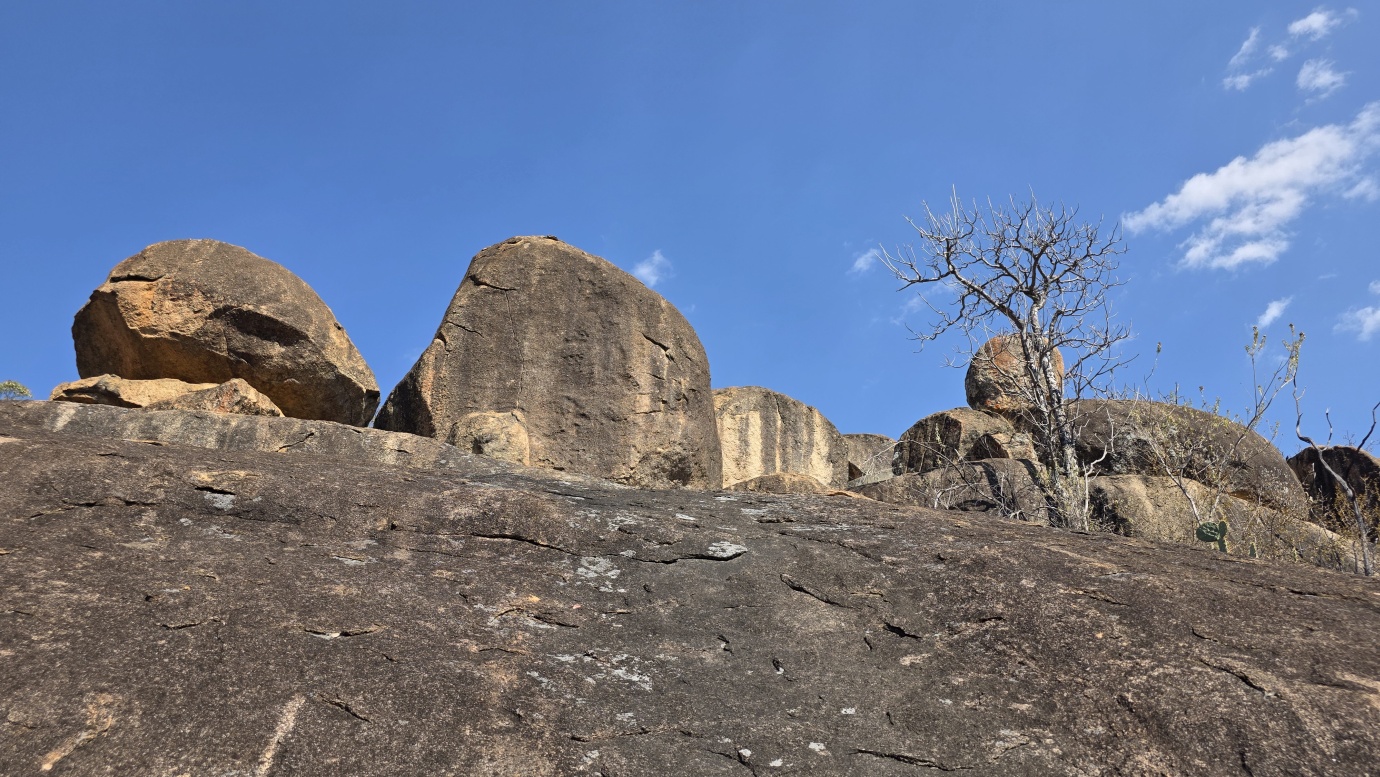
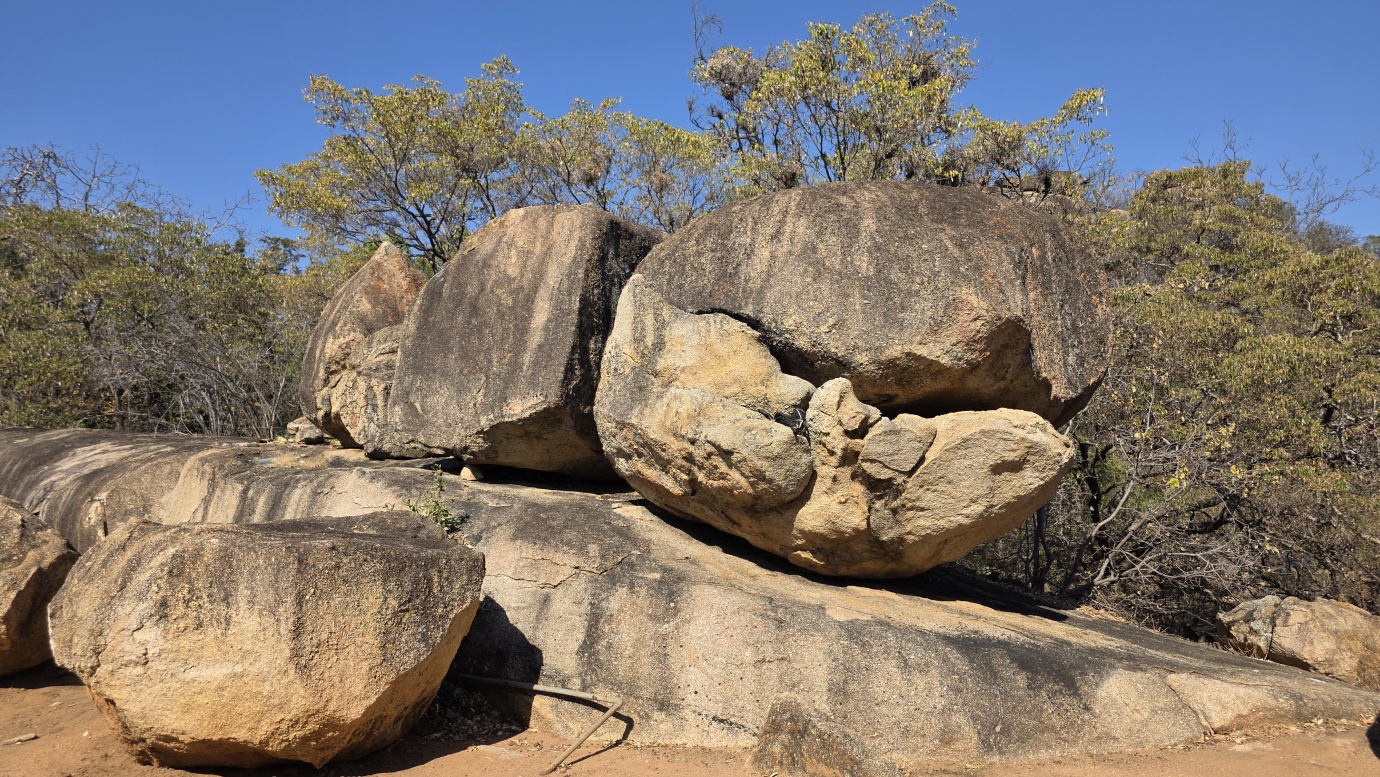
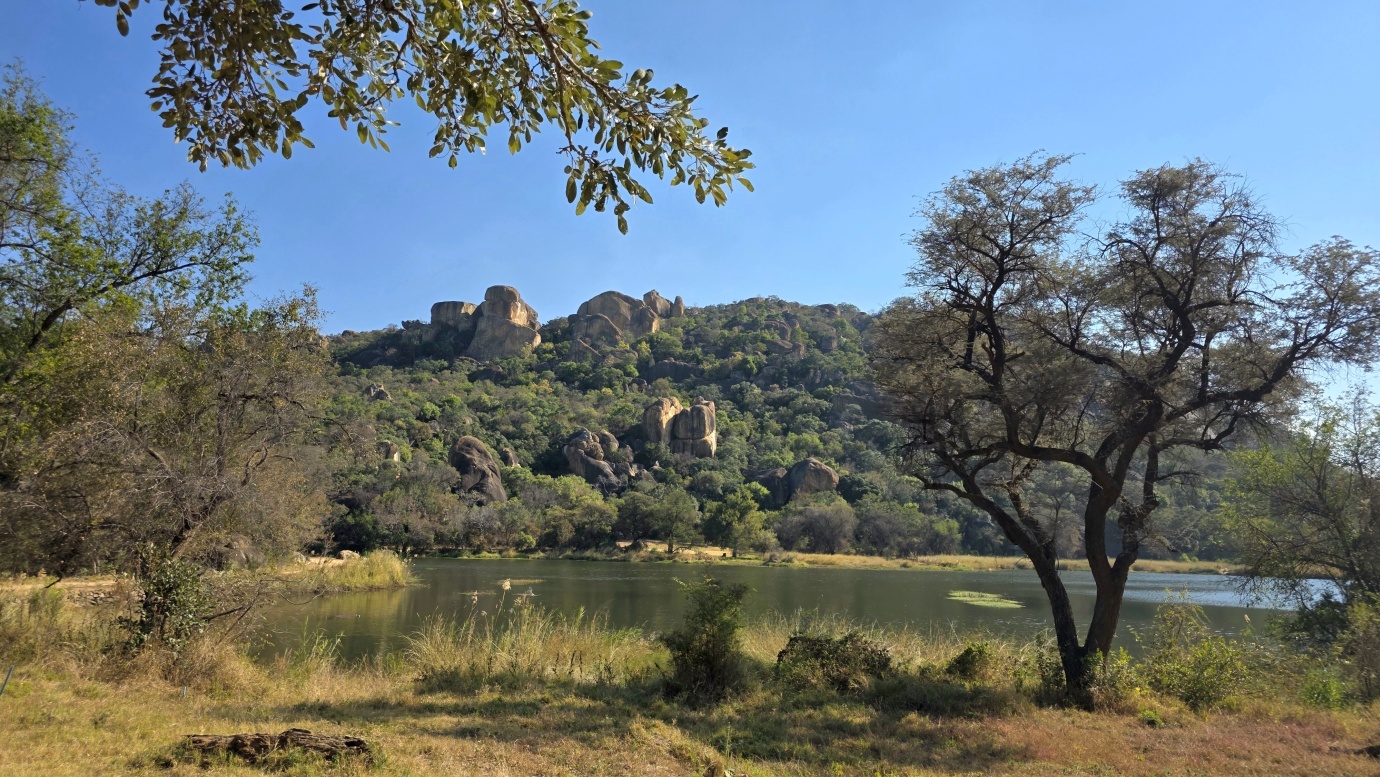
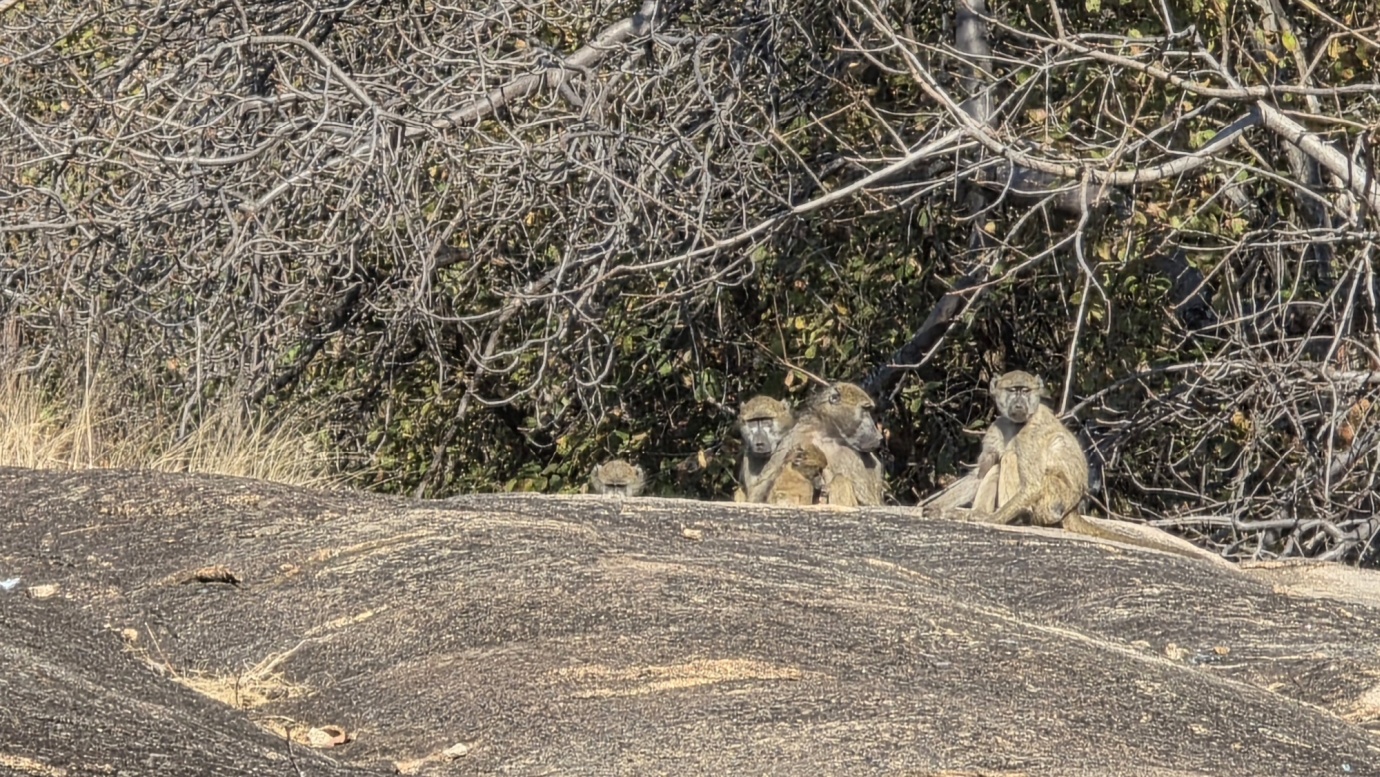
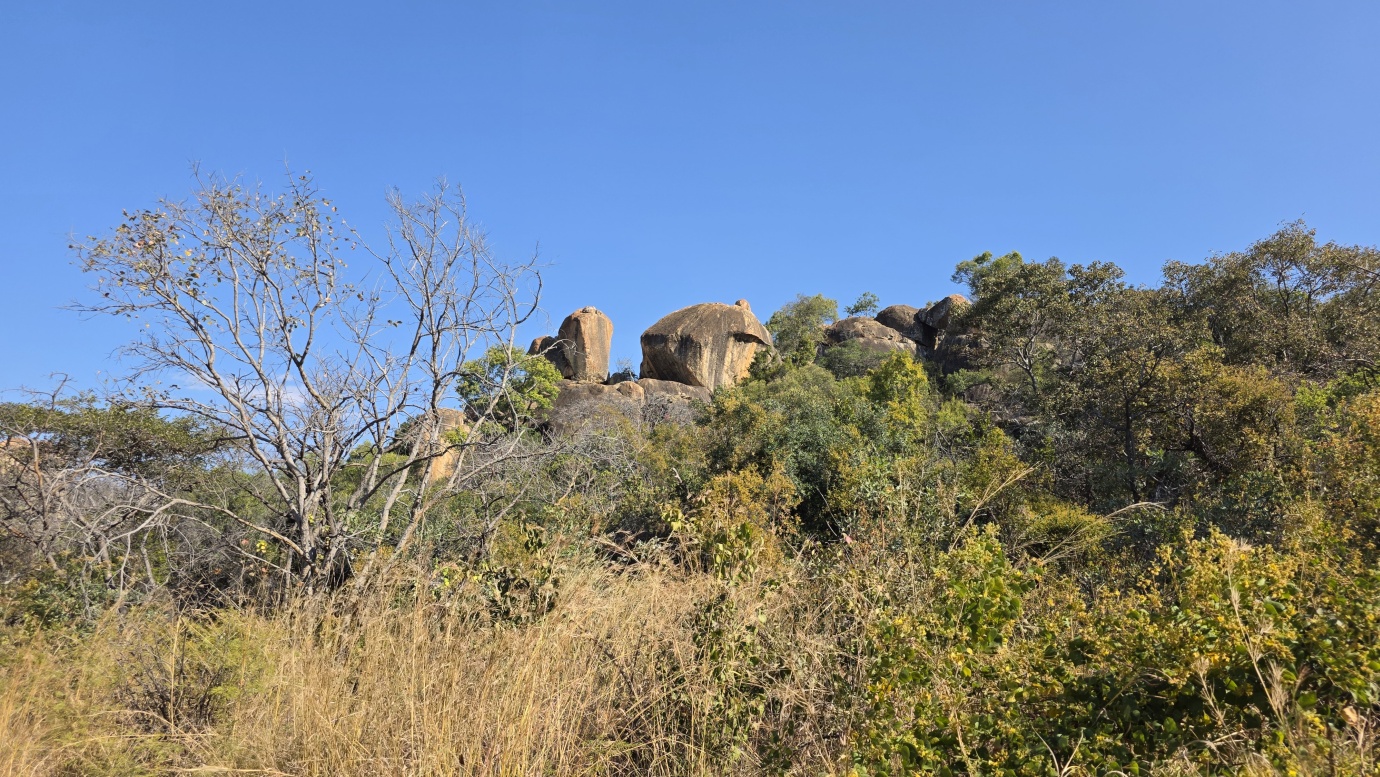
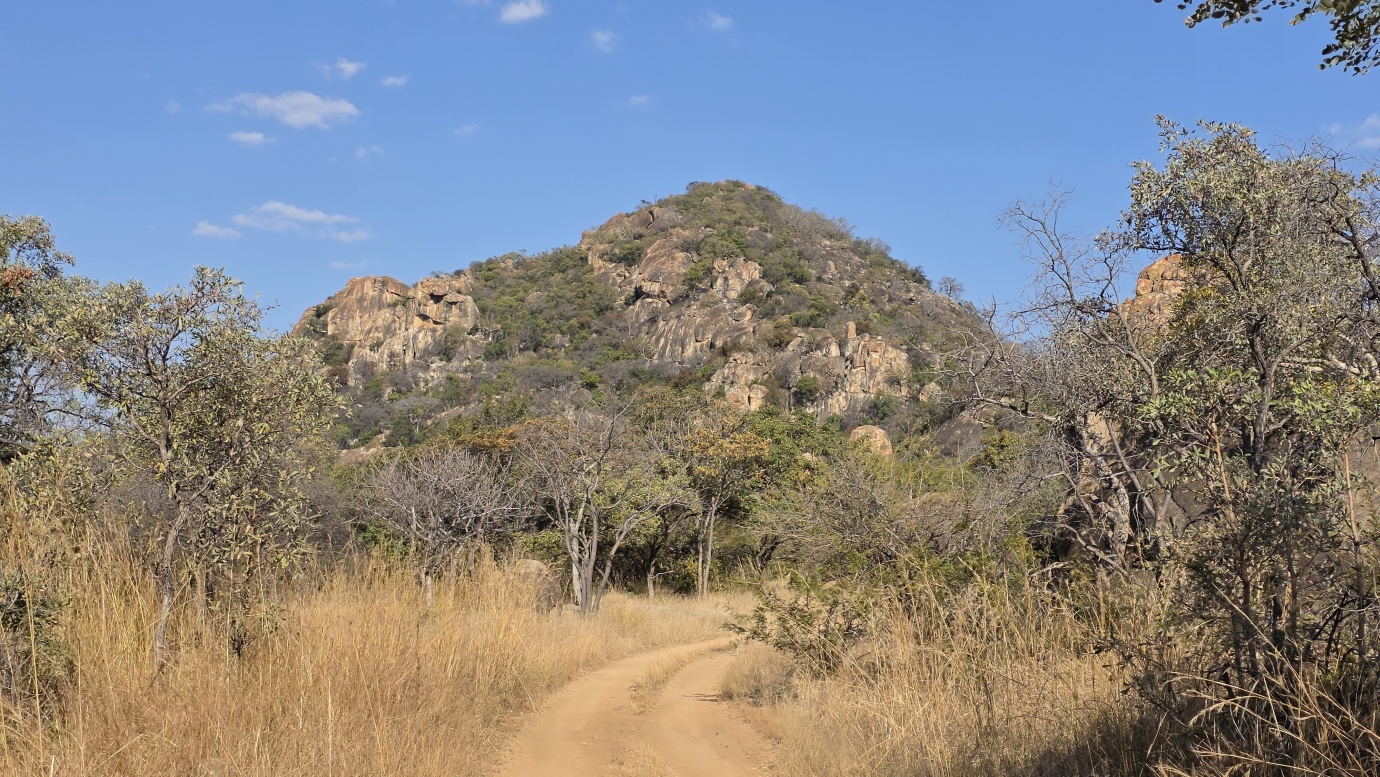
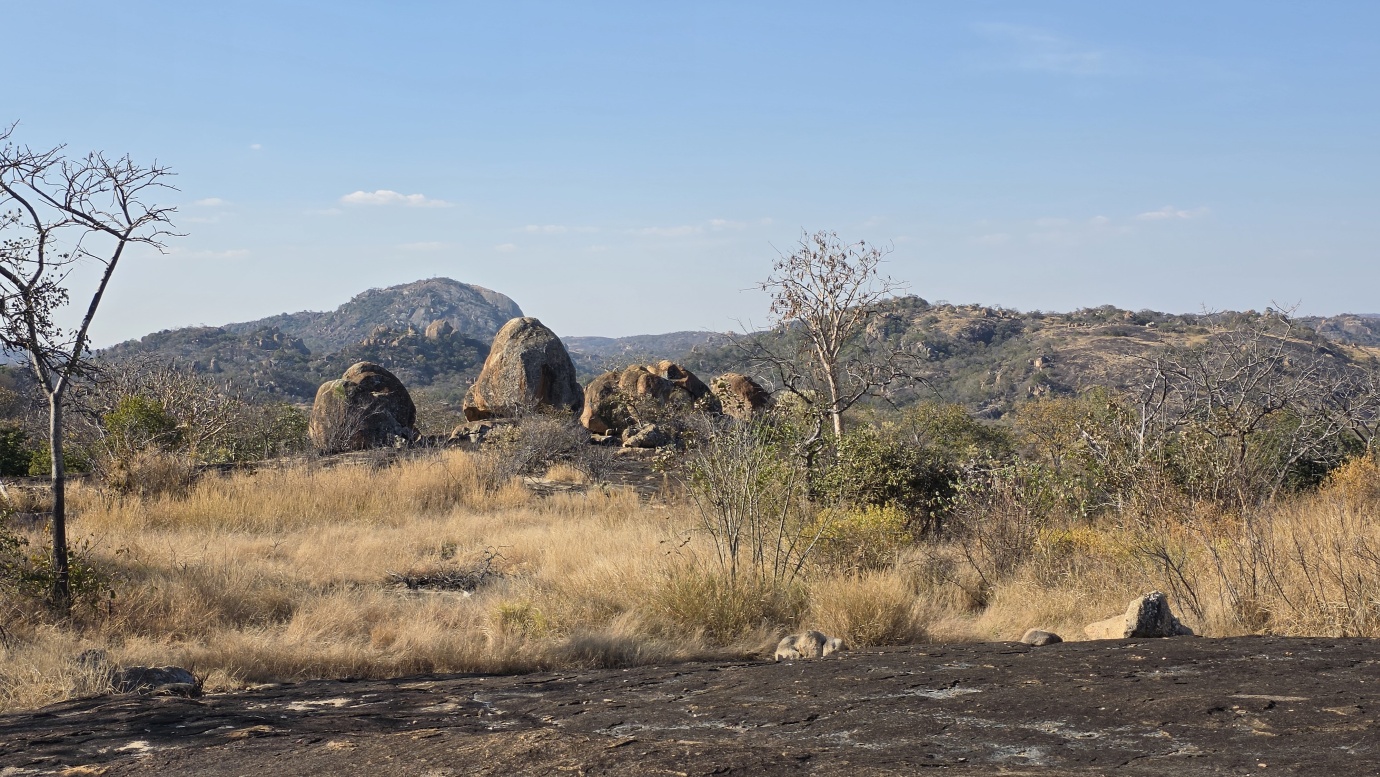
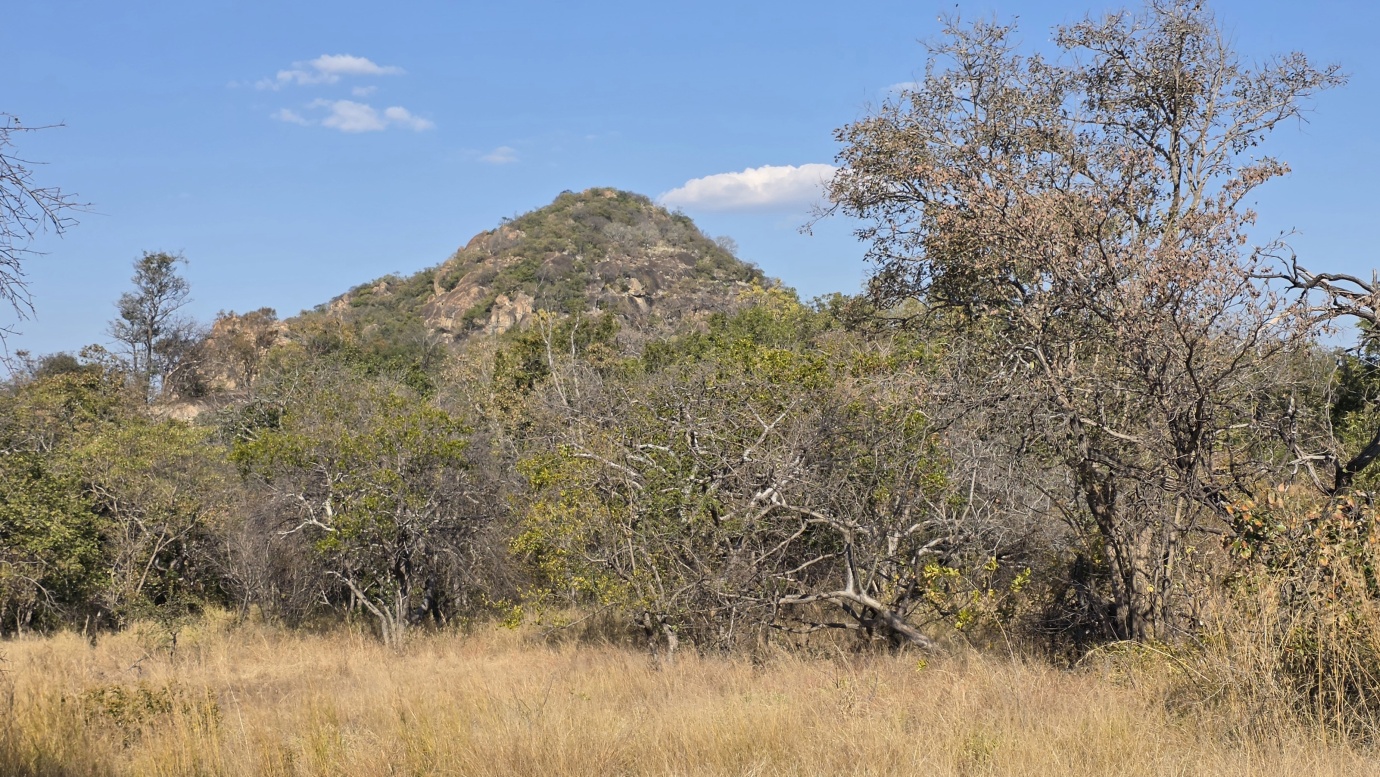
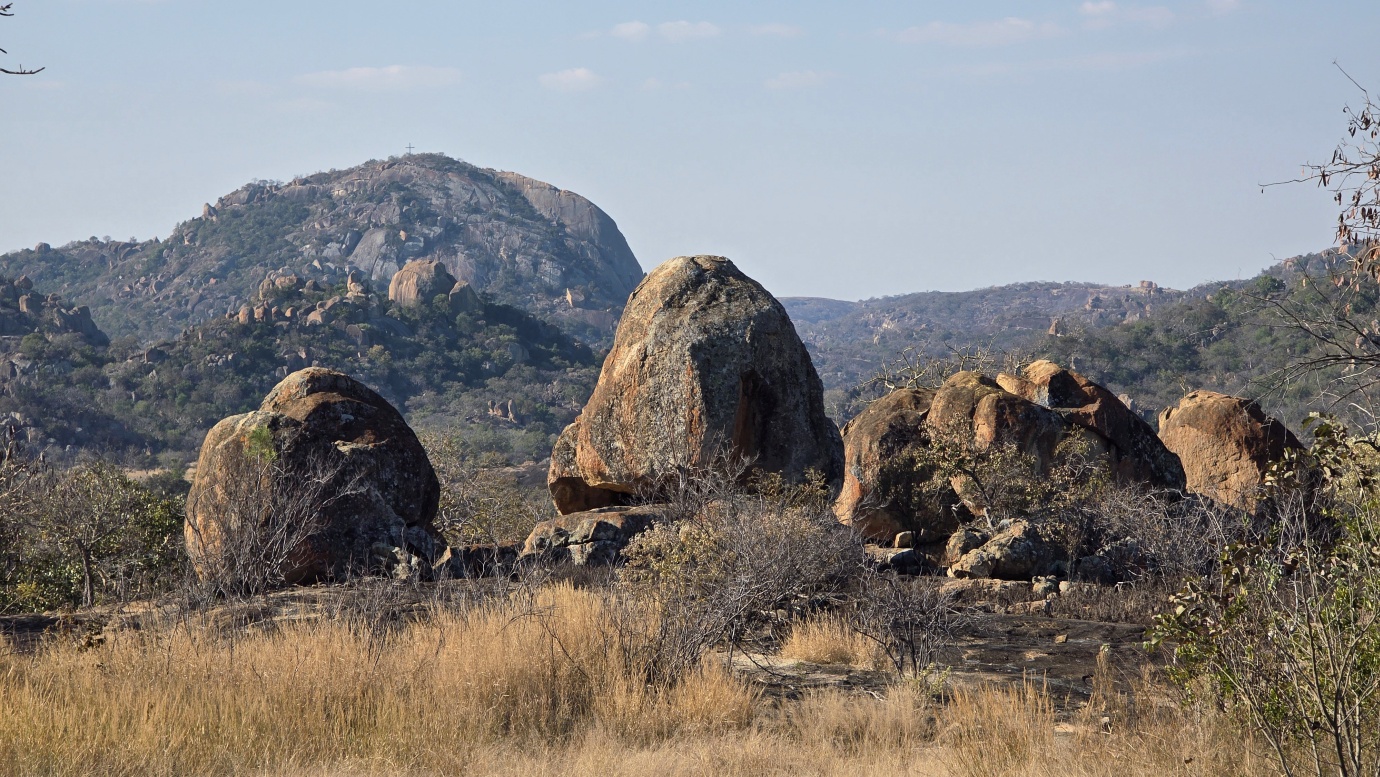
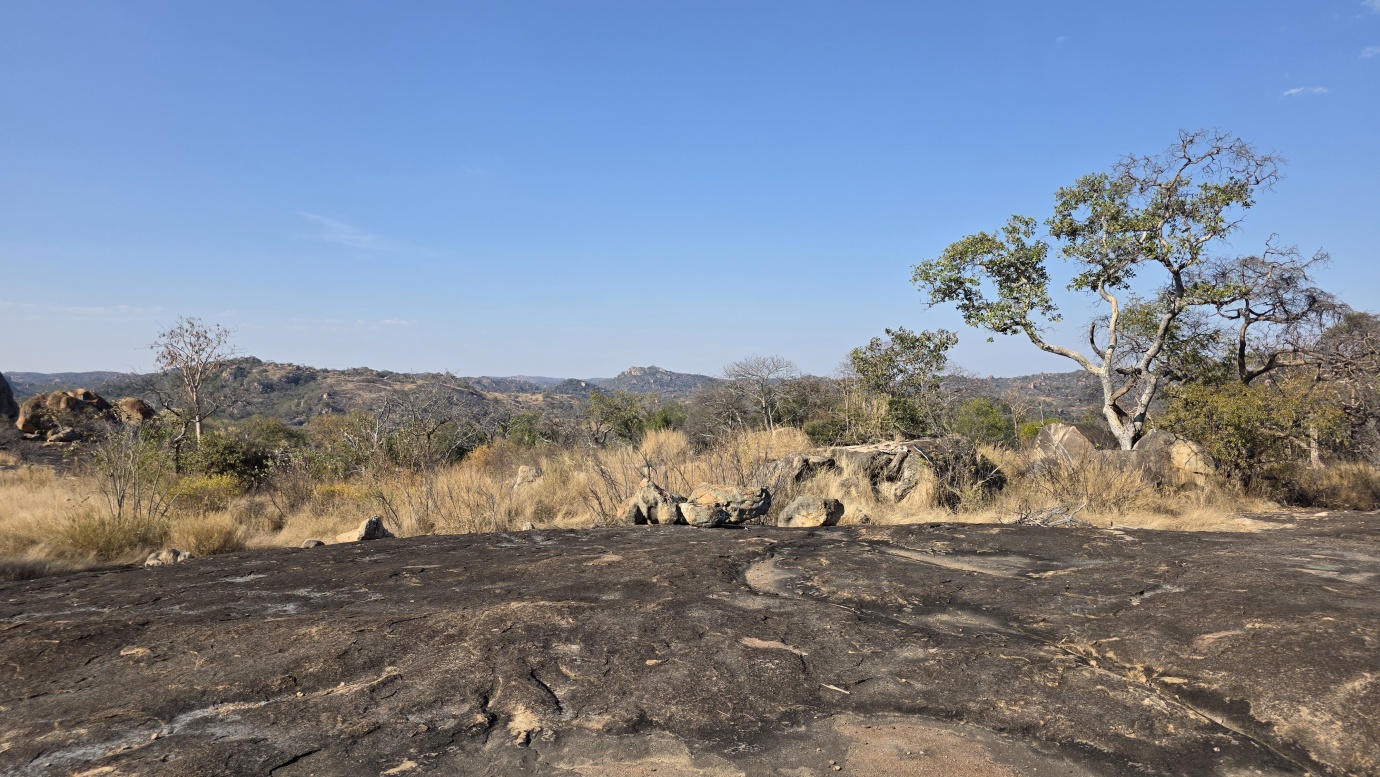
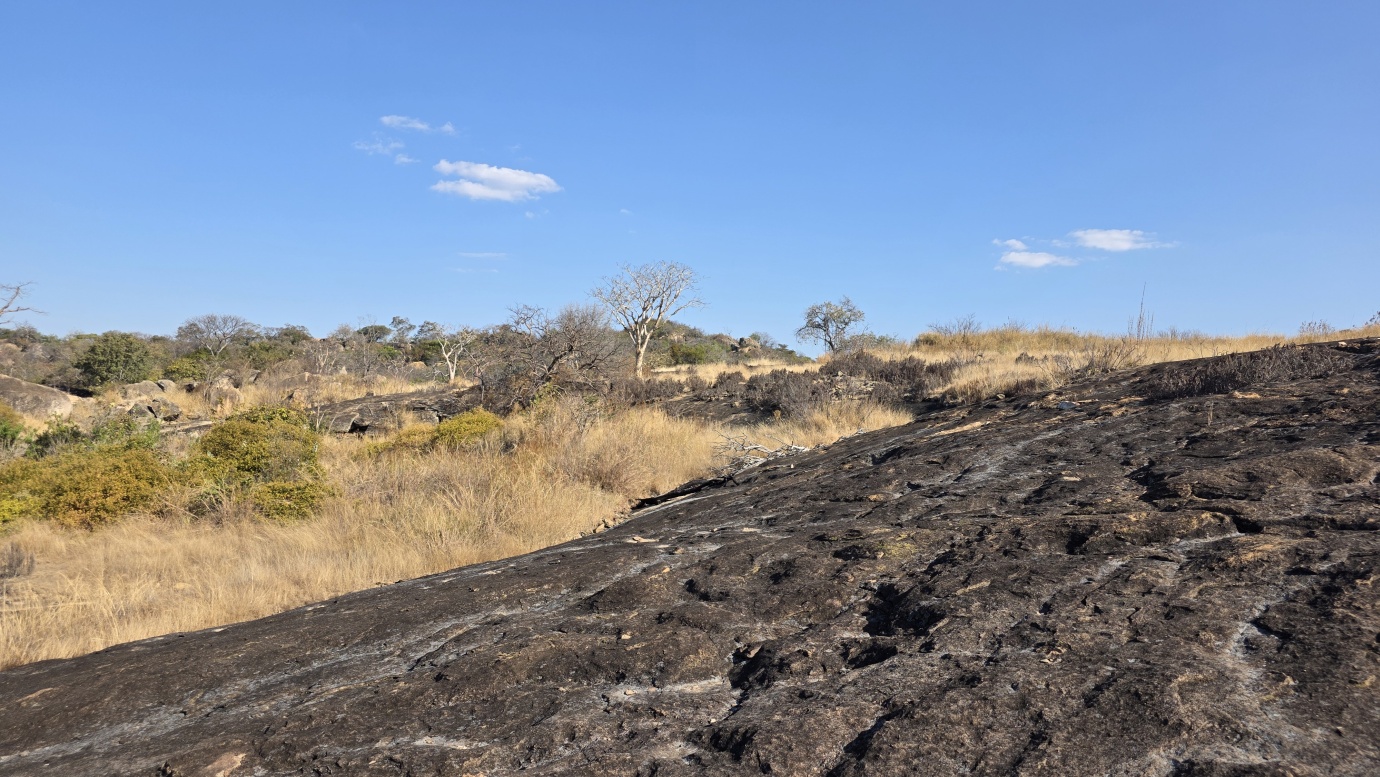
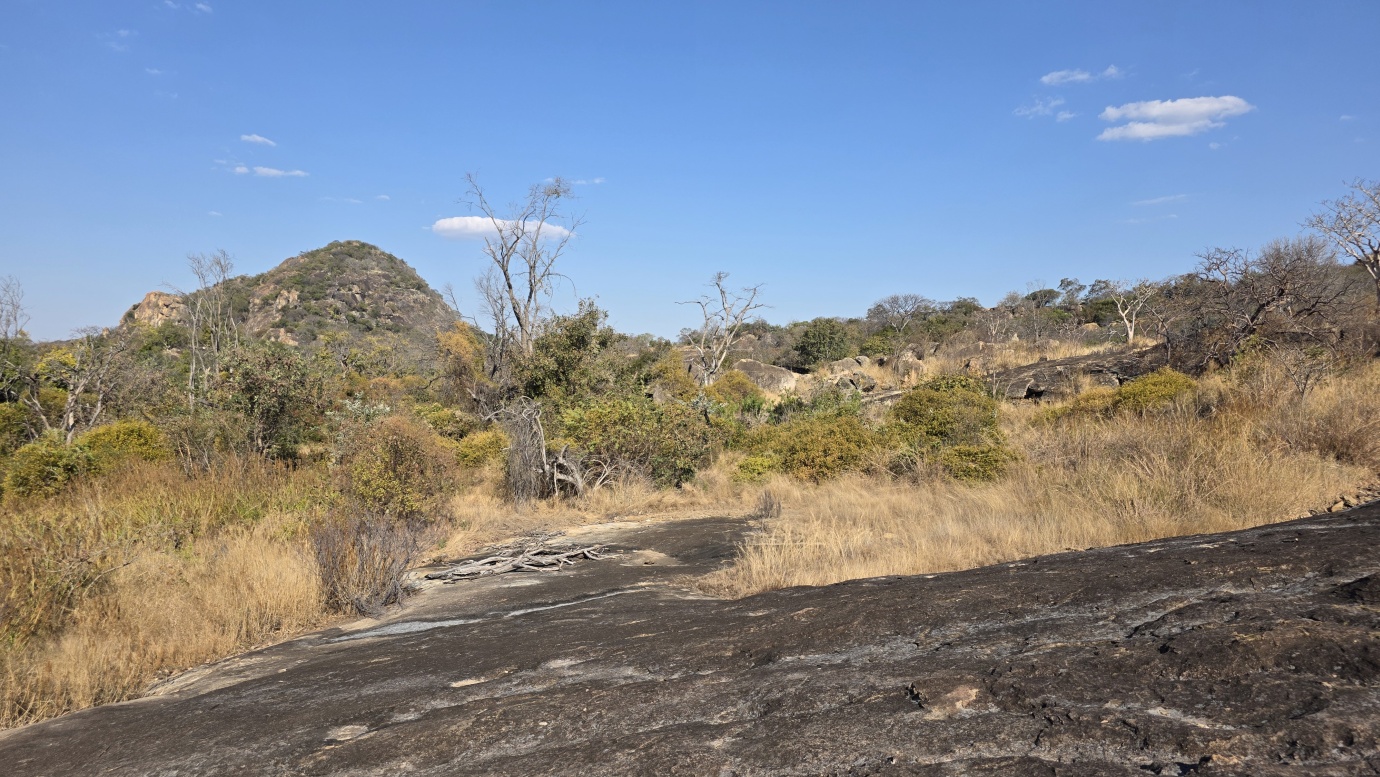
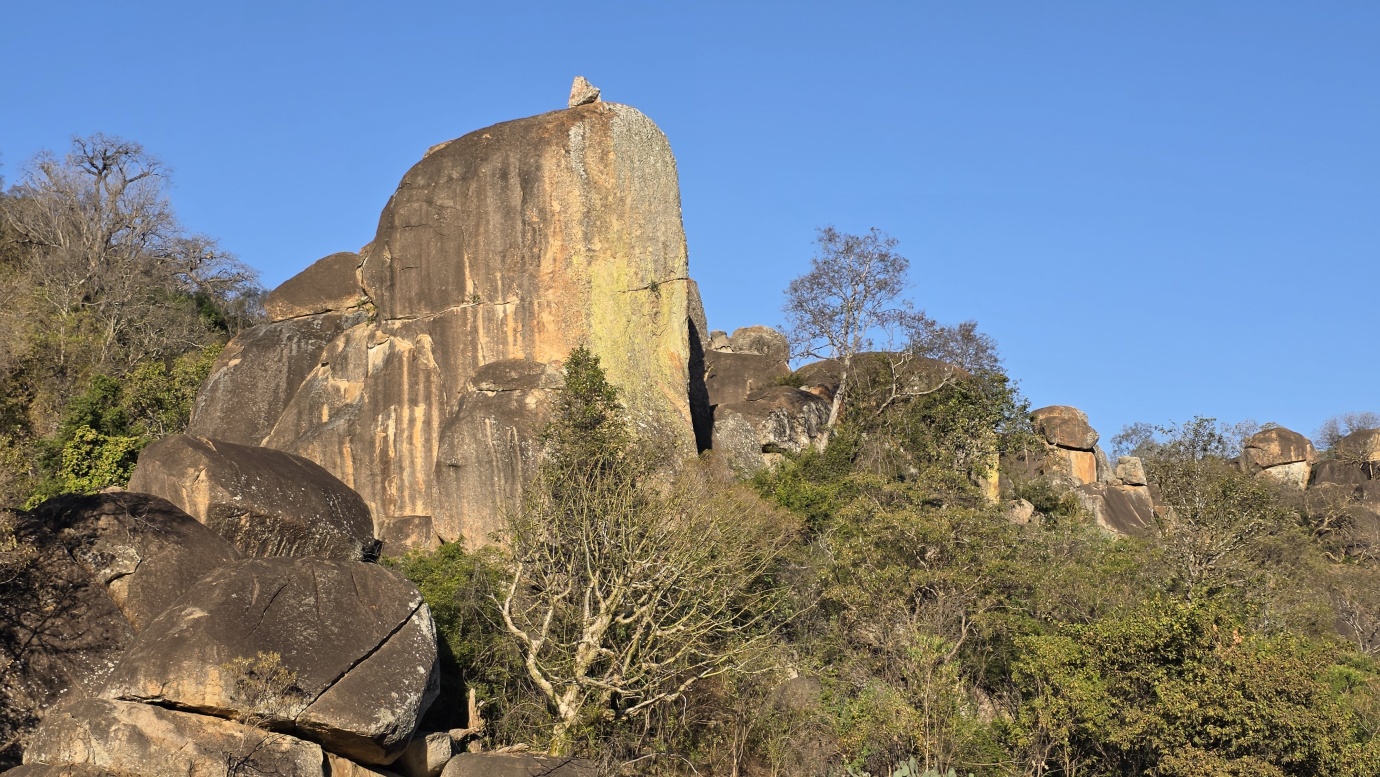
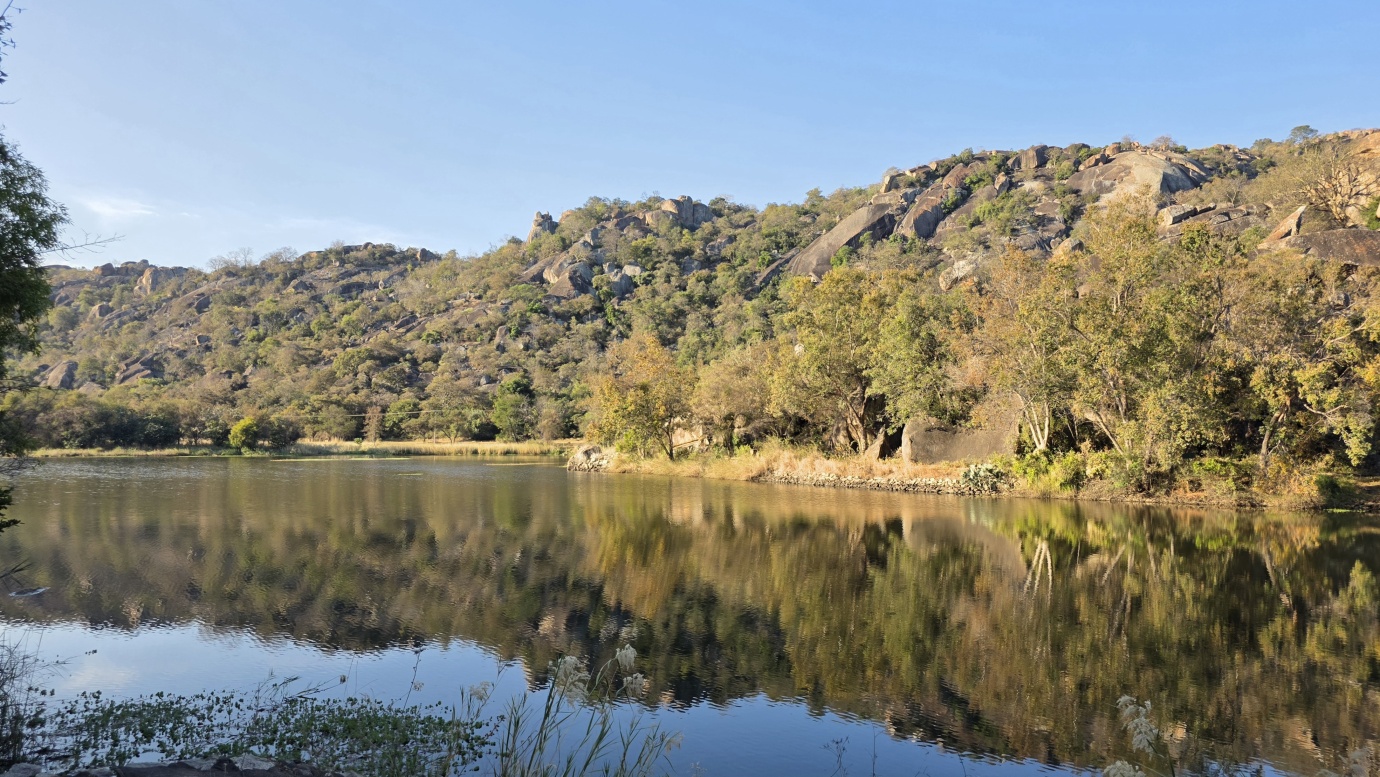
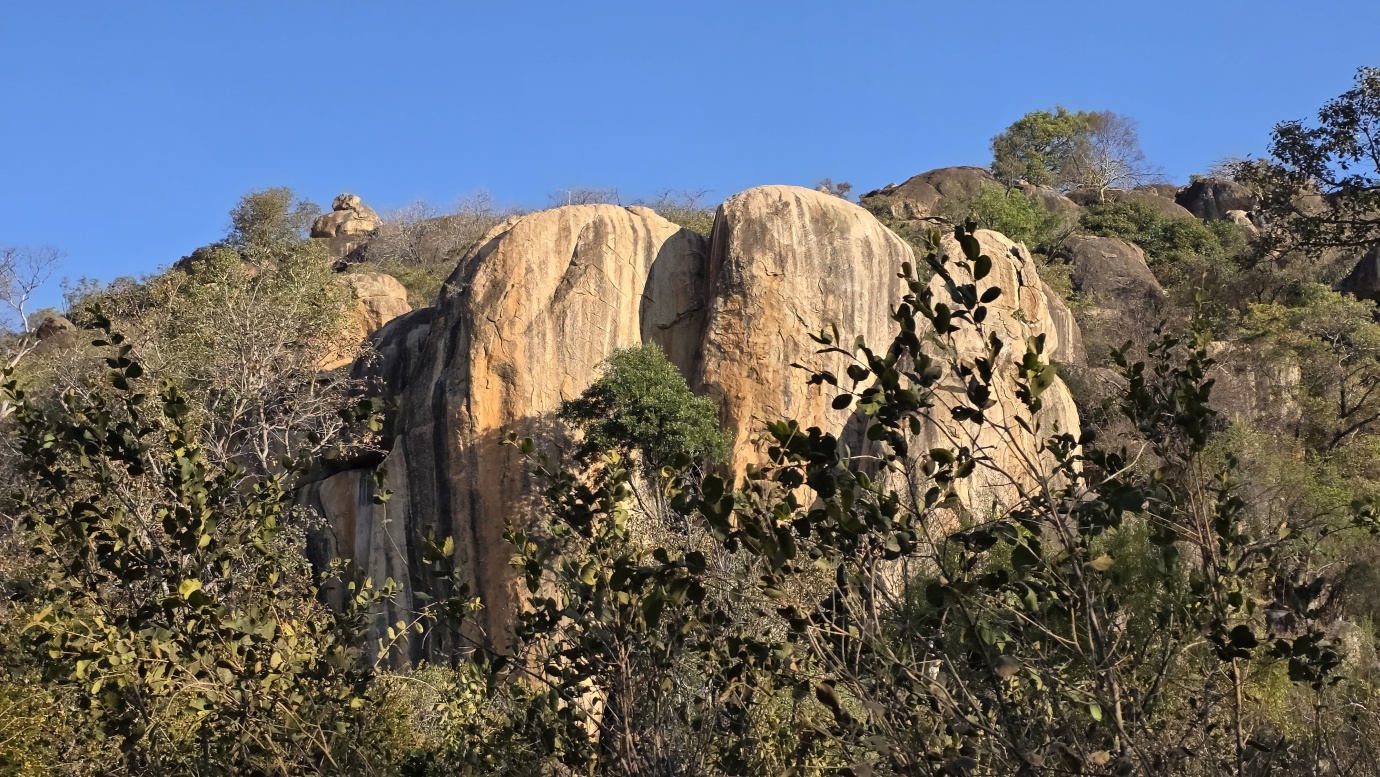
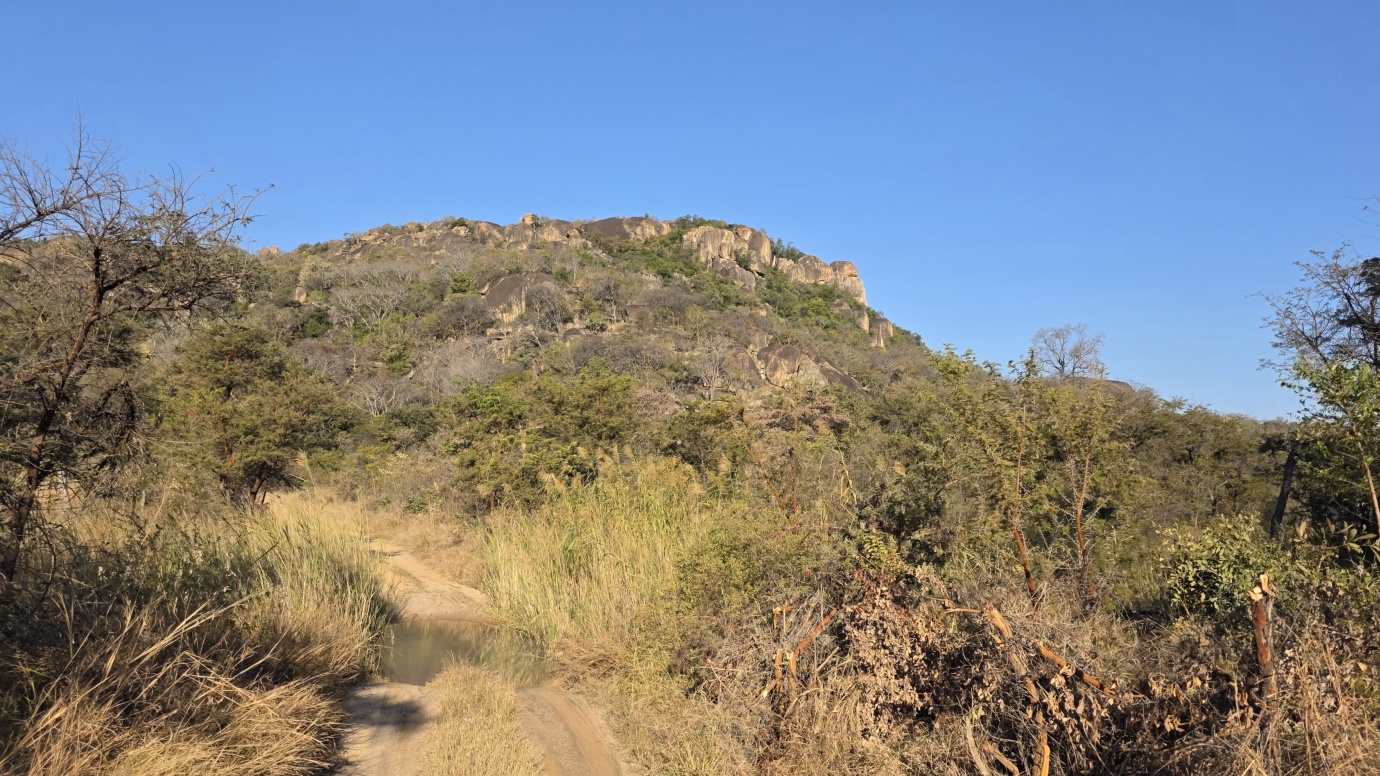
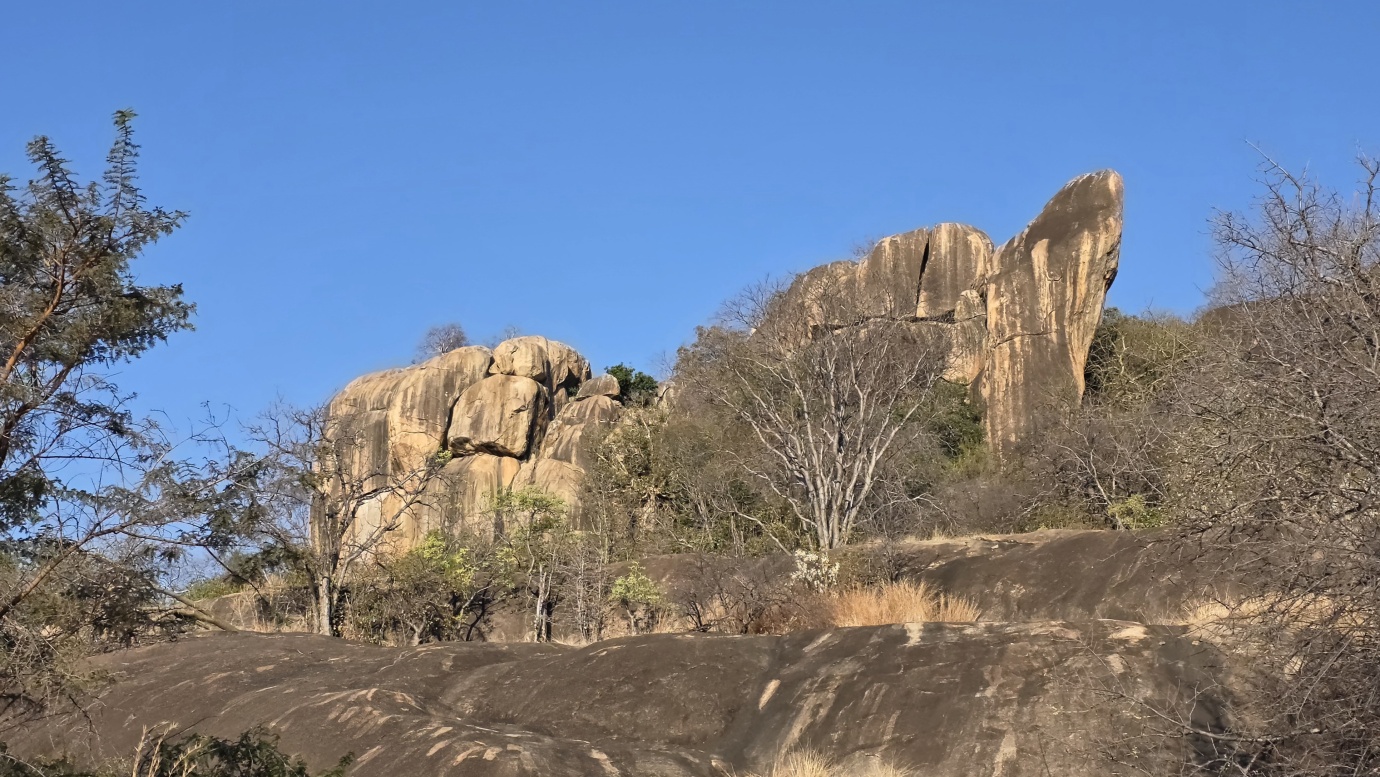
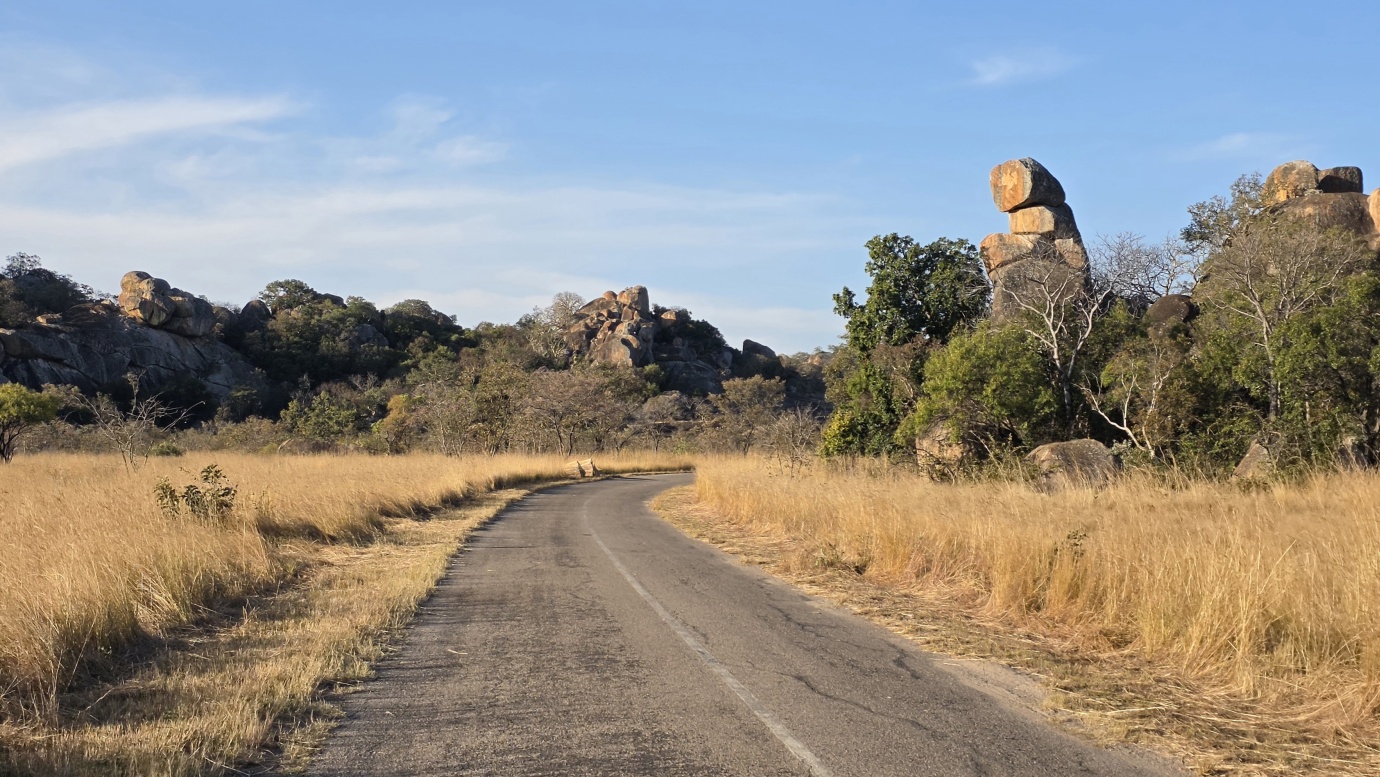
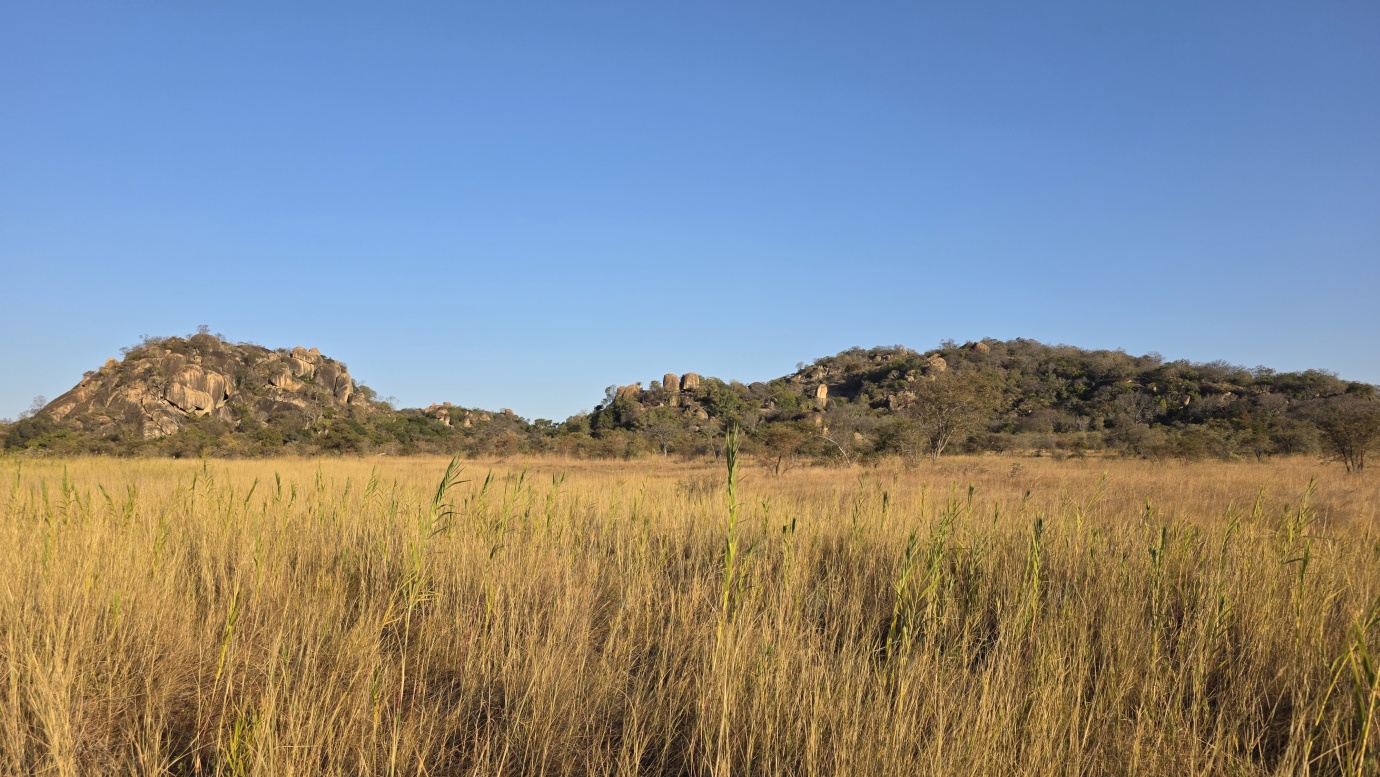
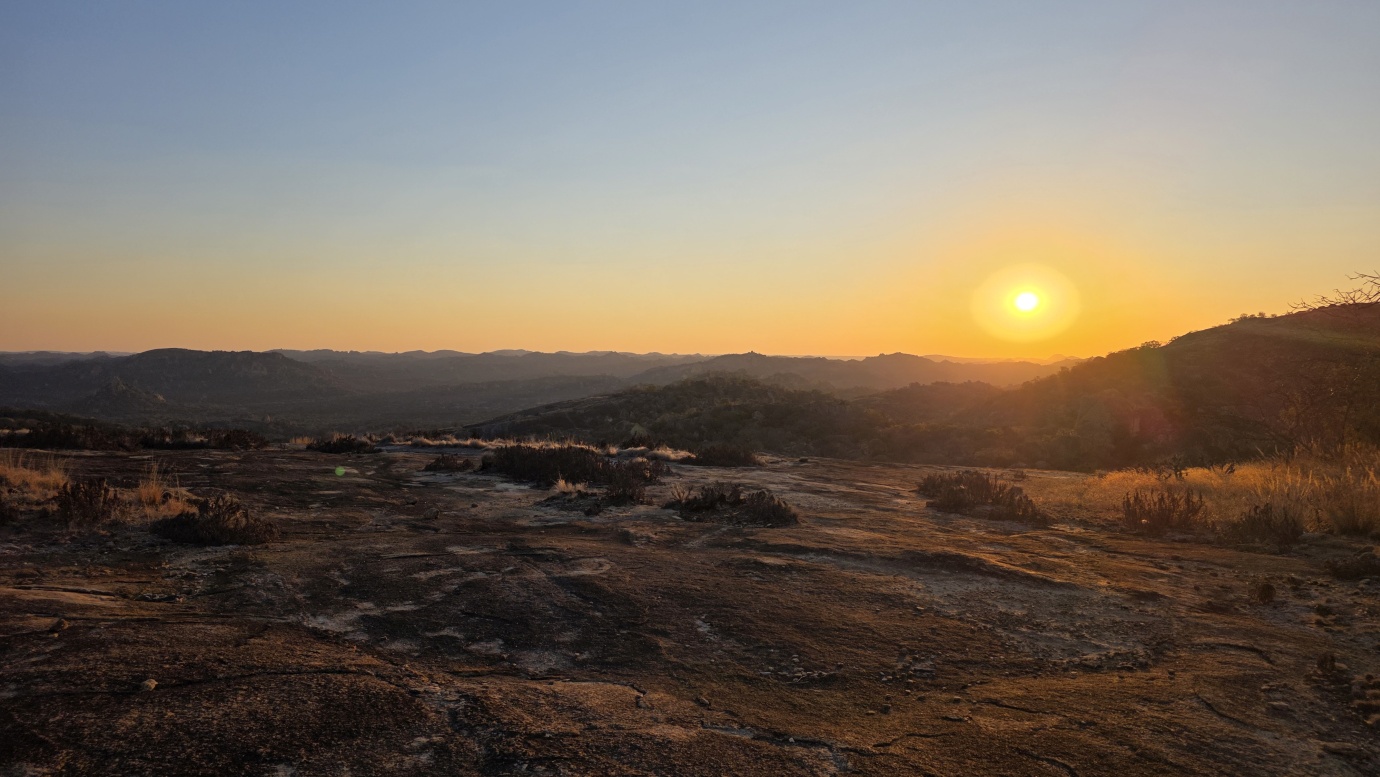
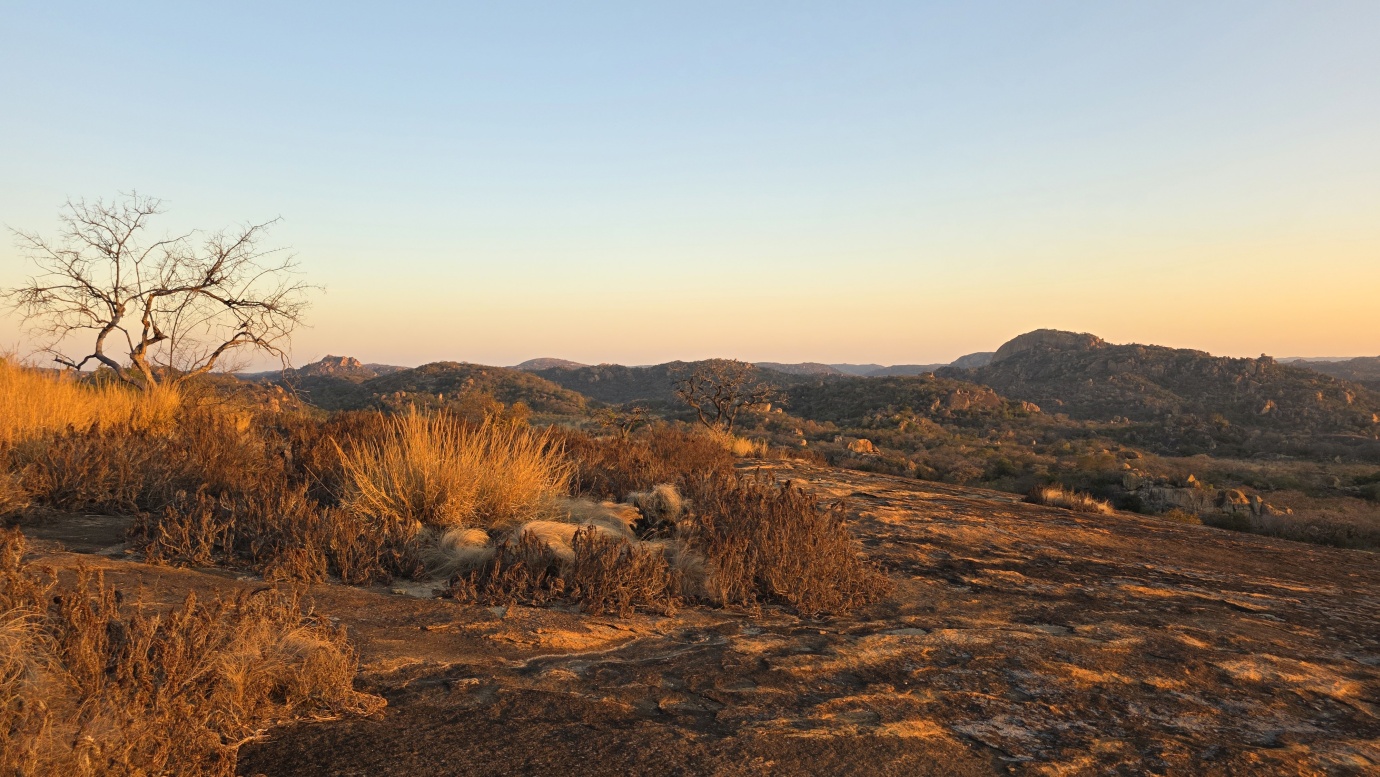
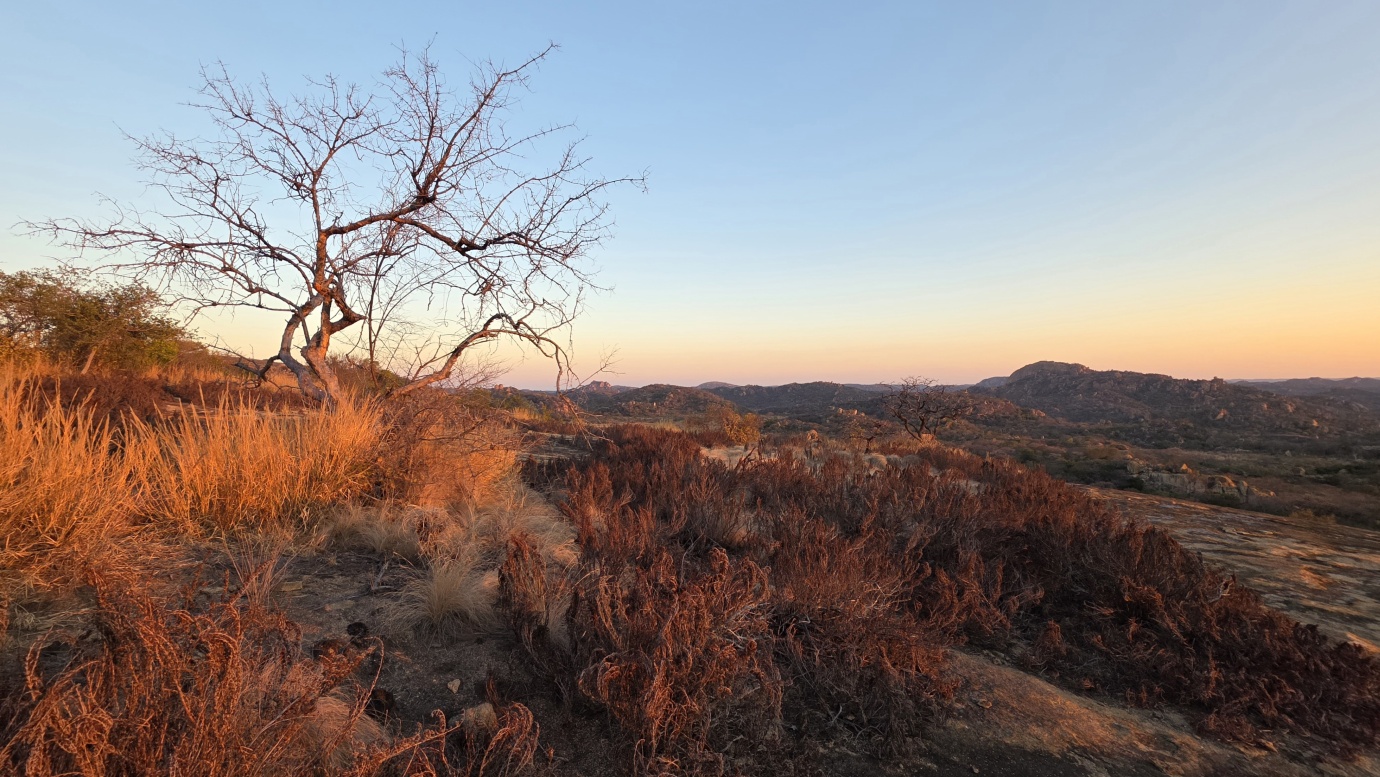
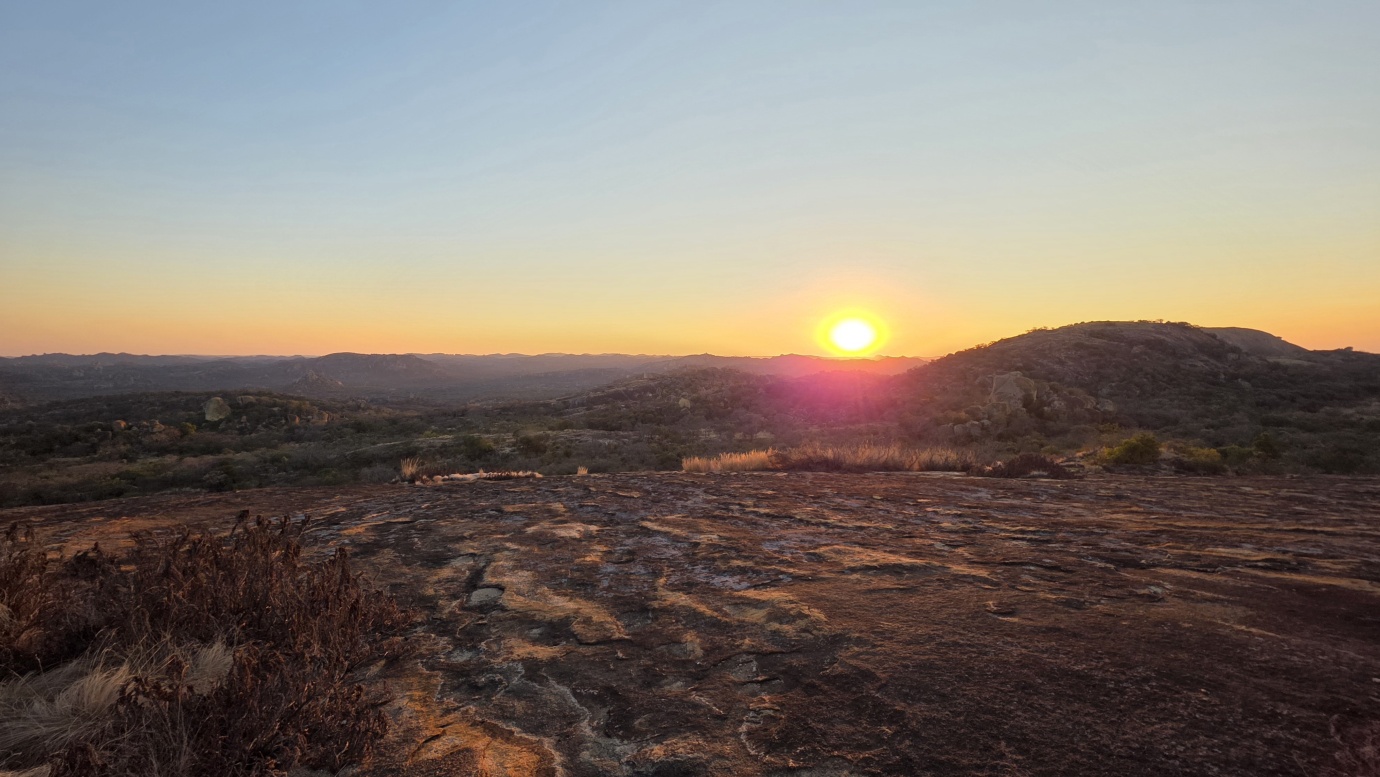
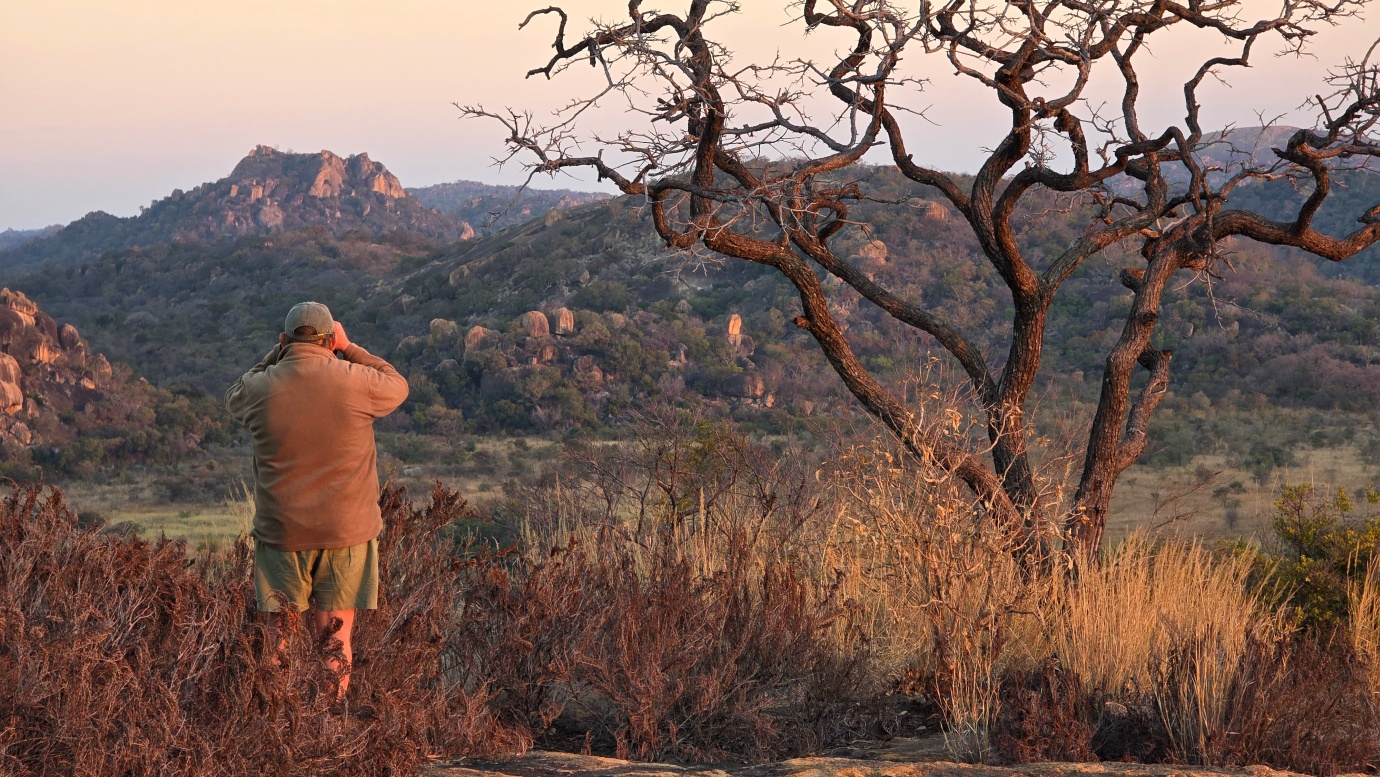
The park’s dramatic landscape is dominated by an ancient granite batholith that has been sculpted over millions of years into remarkable balancing rocks, smooth “whalebacks,” and towering “castle kopjes.” The vegetation is a mosaic of woodland and savanna. At the same time, the unique terrain supports an extraordinary diversity of wildlife, including one of the world’s highest densities of leopards and a thriving population of Verreaux’s eagles.
The hills were named Matobo—meaning “bald heads”—by the Ndebele King Mzilikazi, whose grave lies within the park. The landscape holds profound spiritual significance for local communities and is also home to World’s View, the scenic hilltop where British colonialist Cecil John Rhodes is buried.
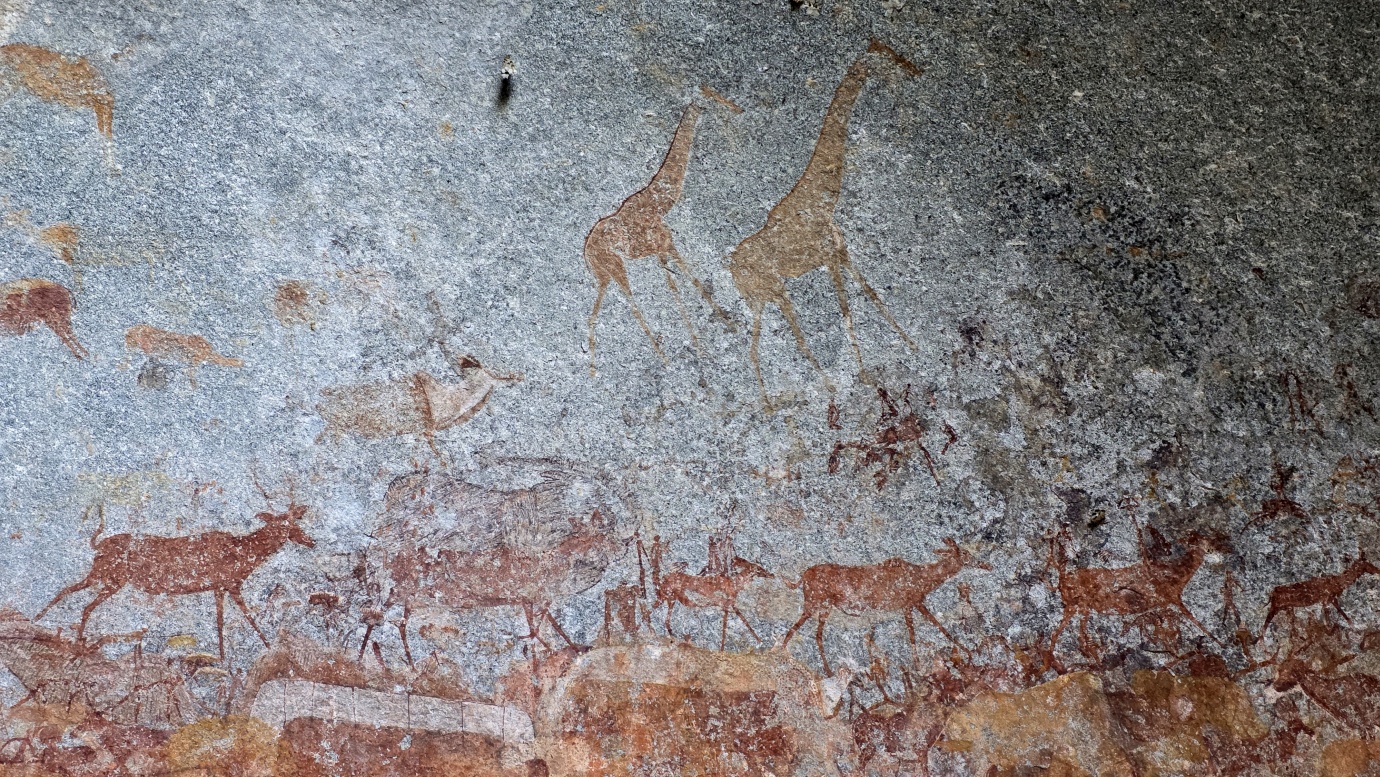
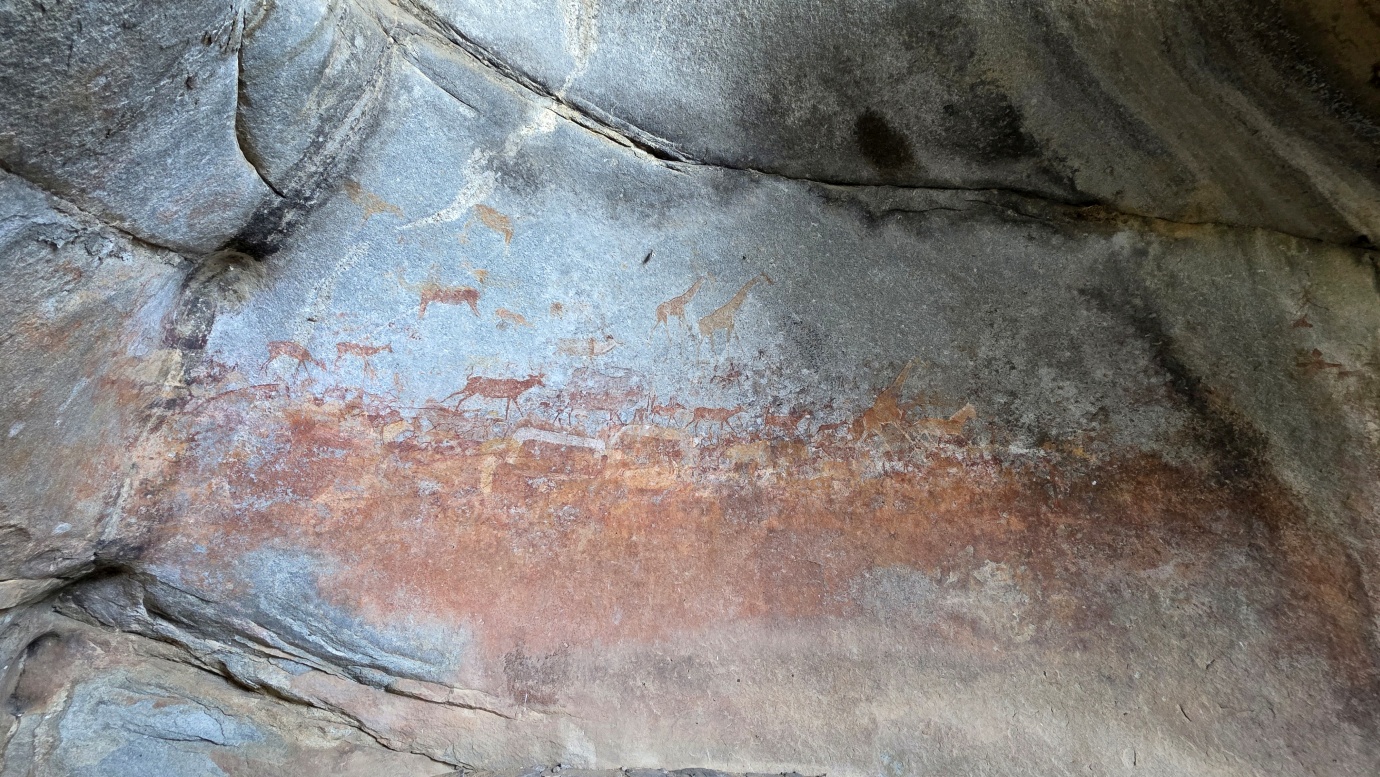
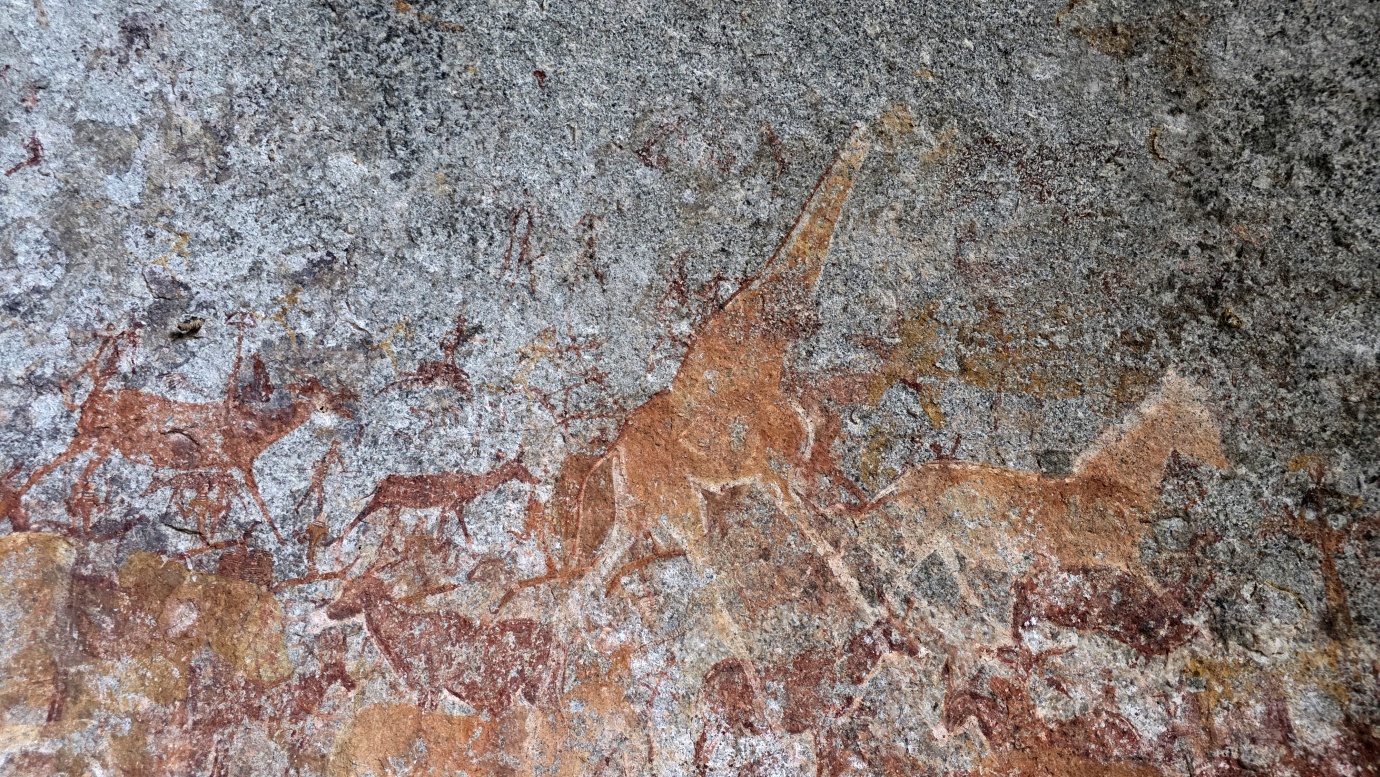
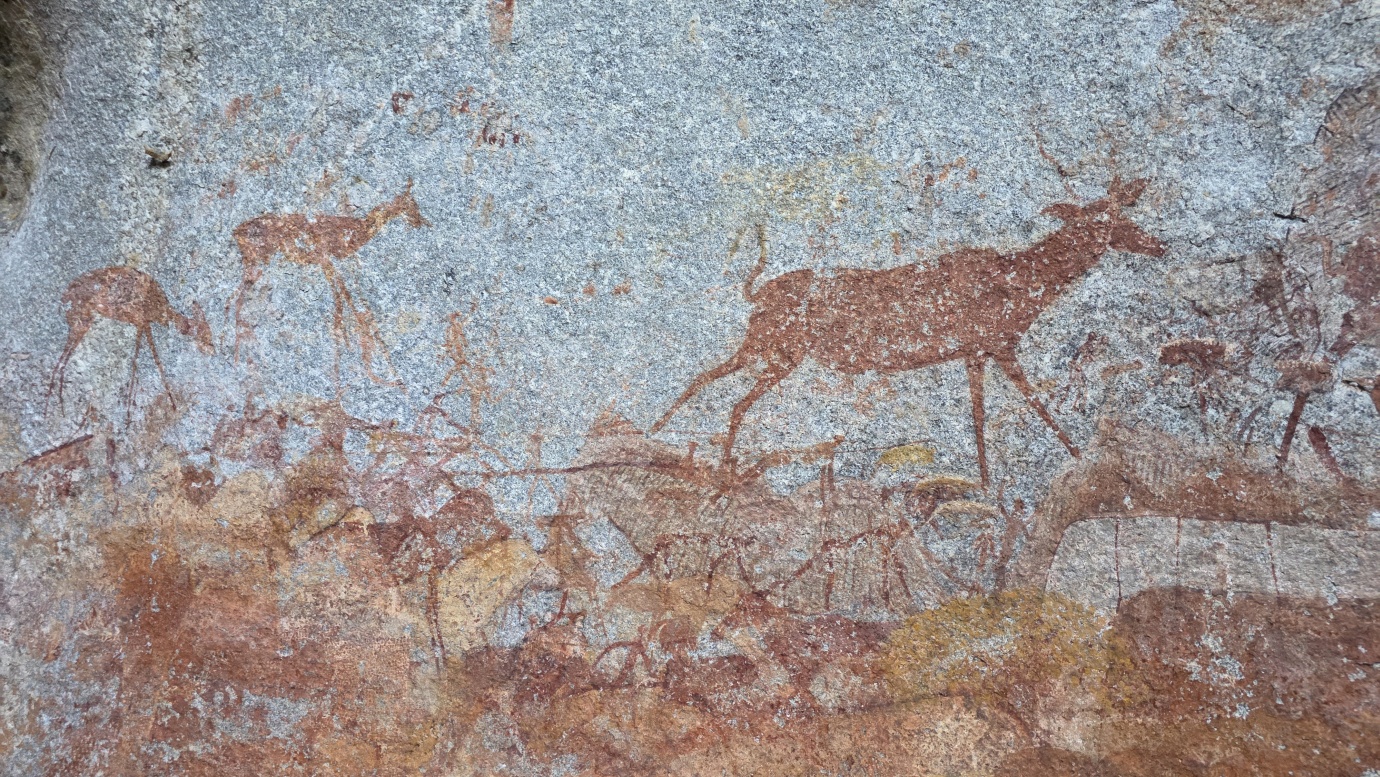
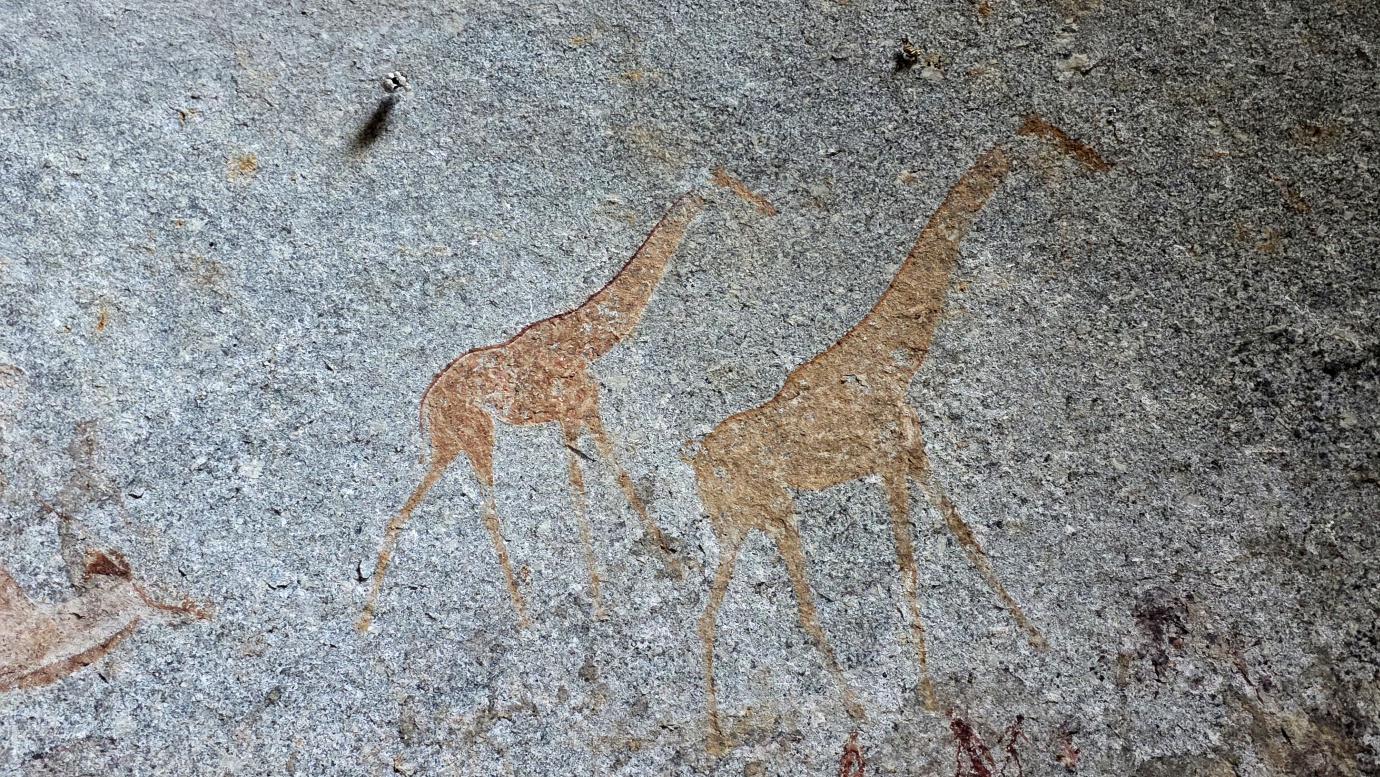
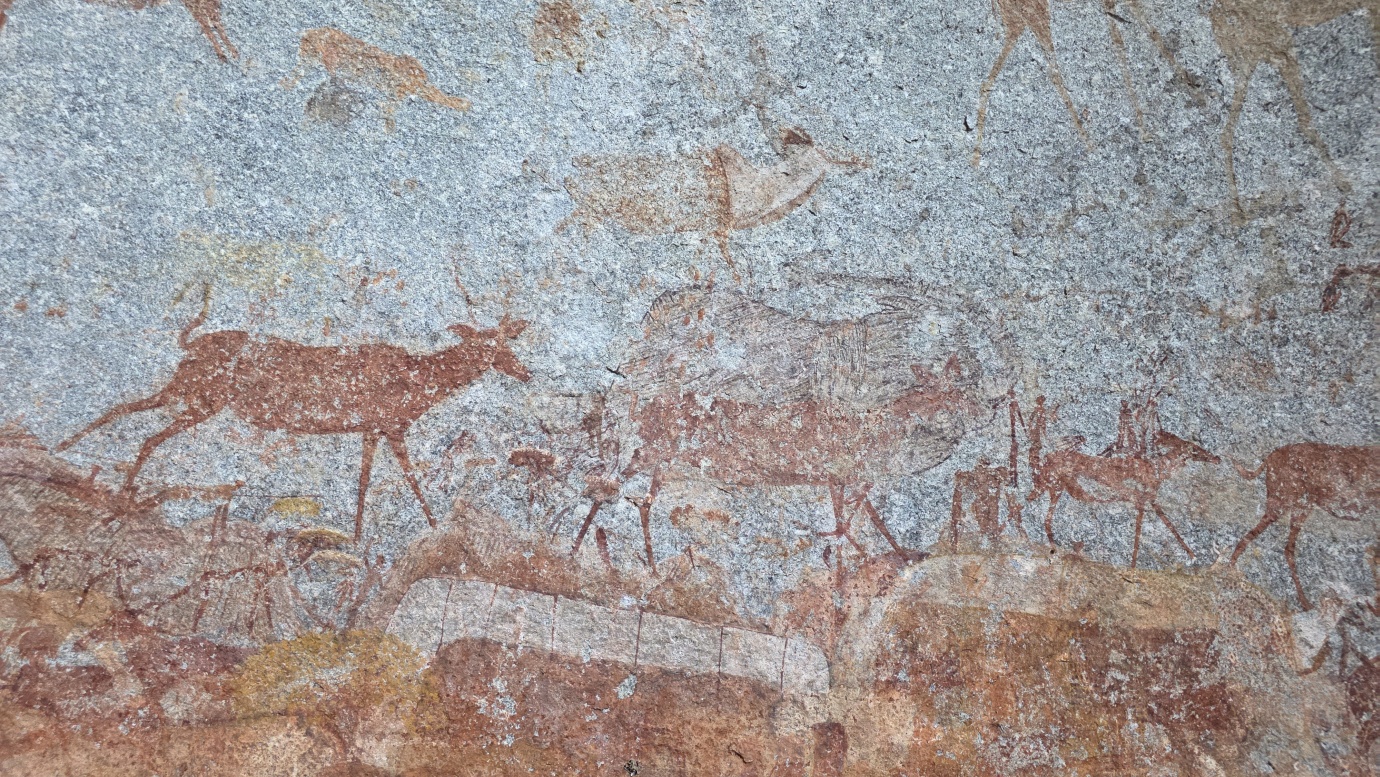
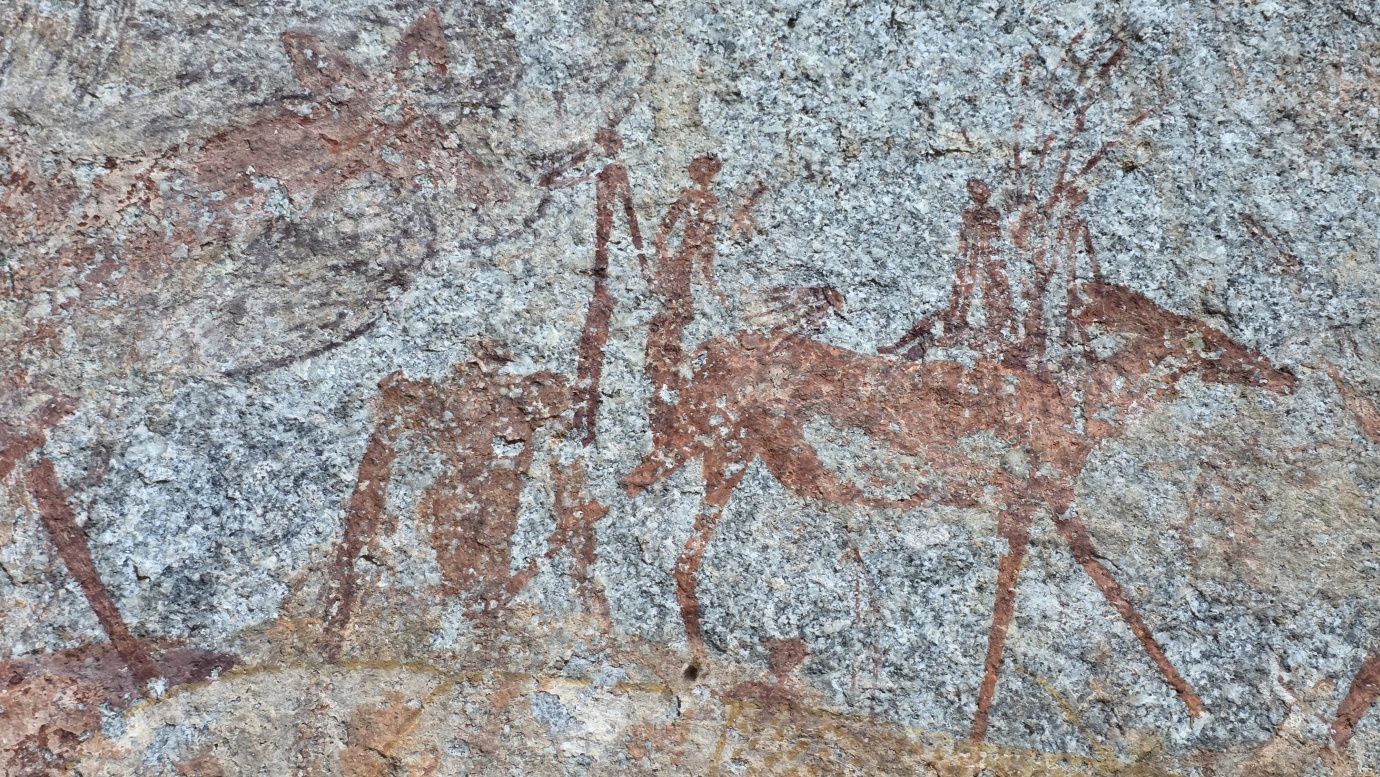
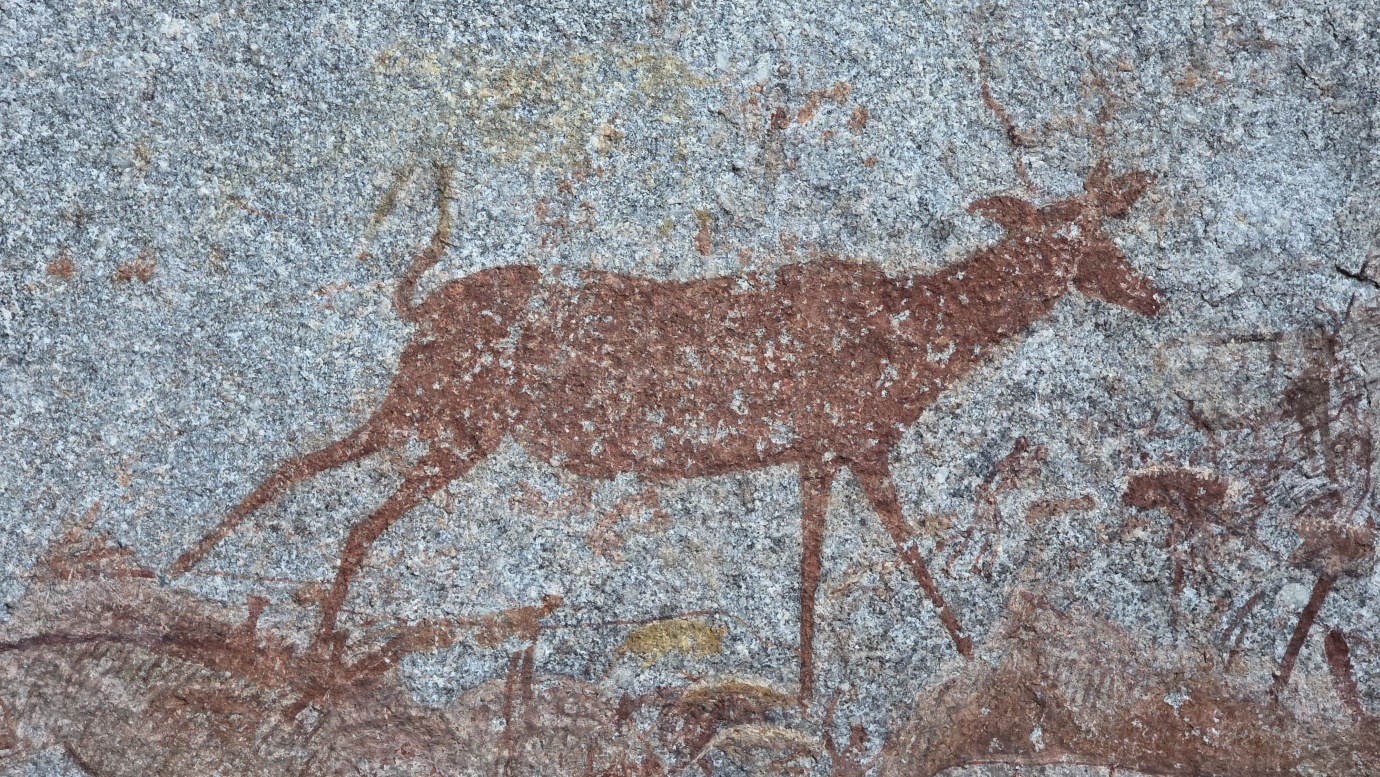
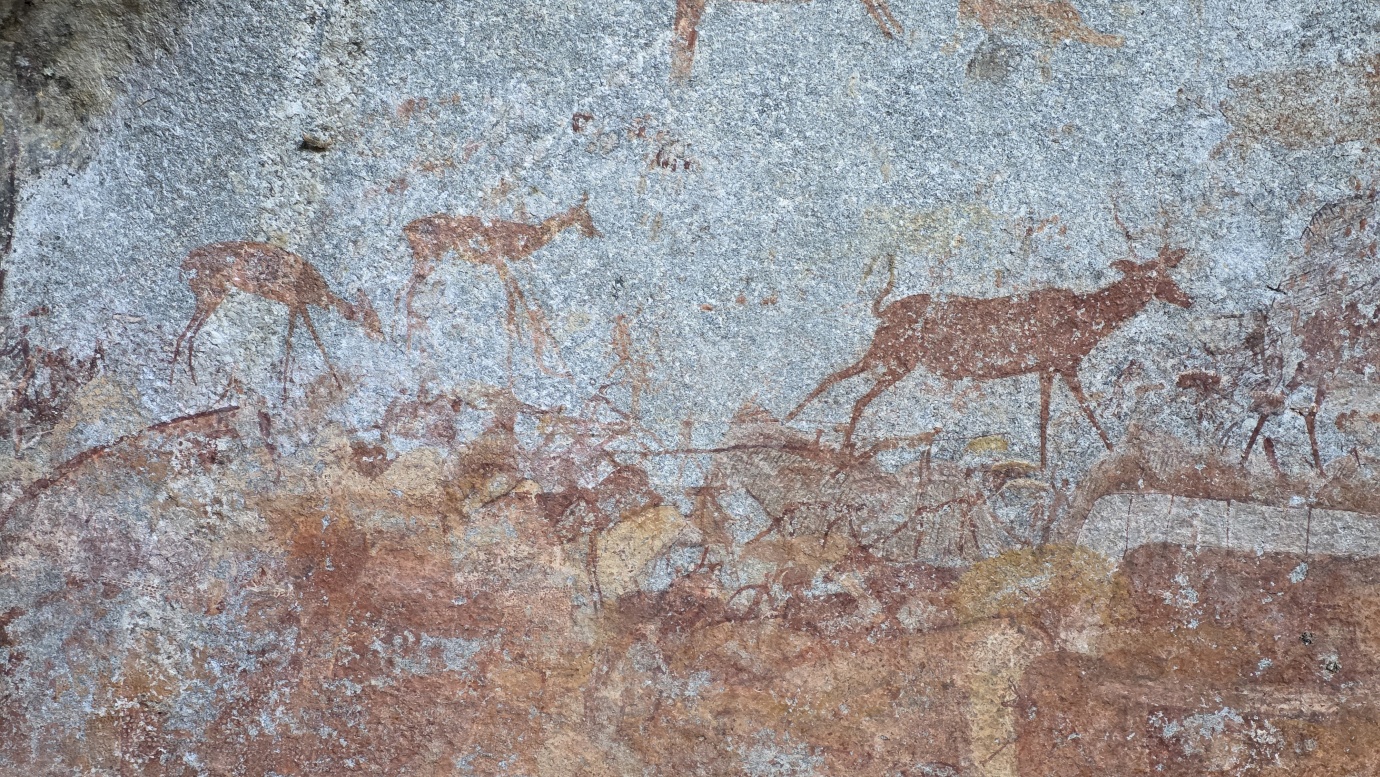
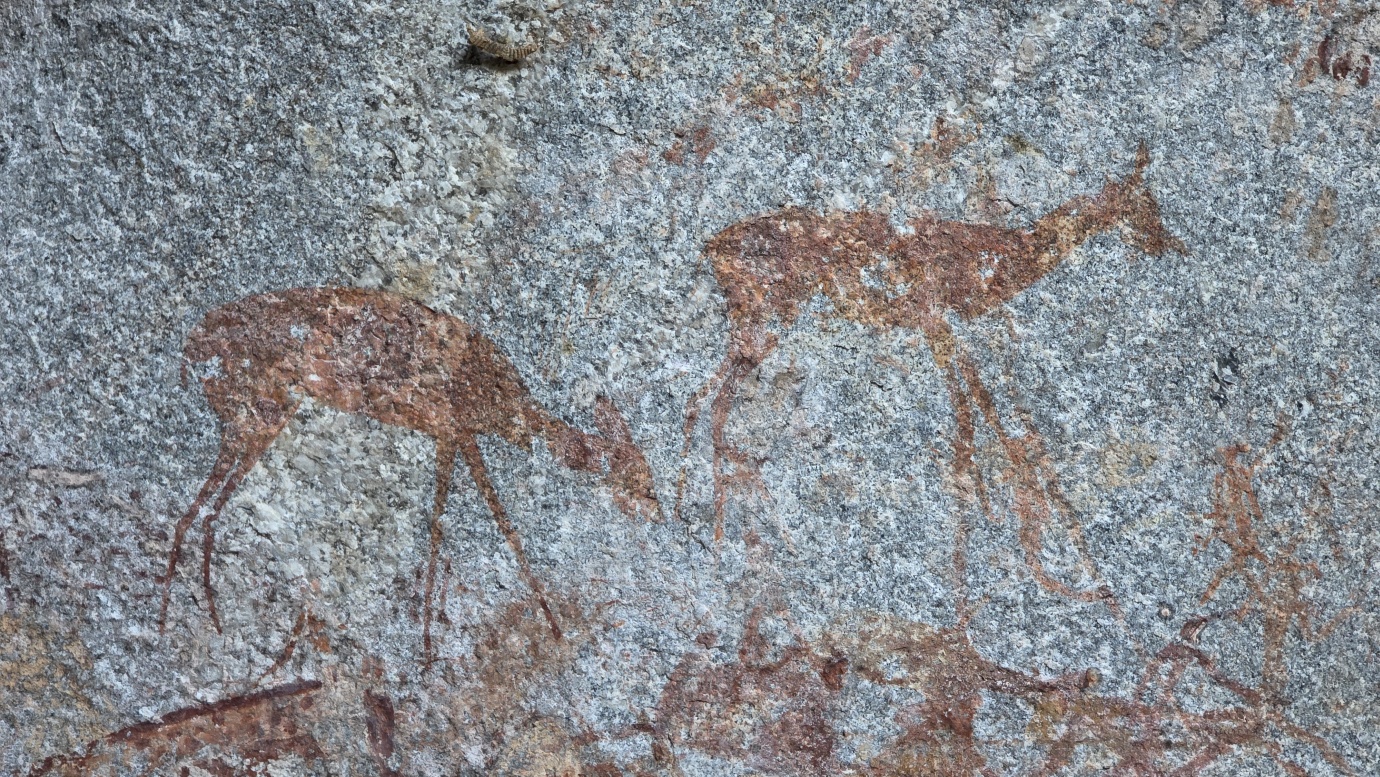
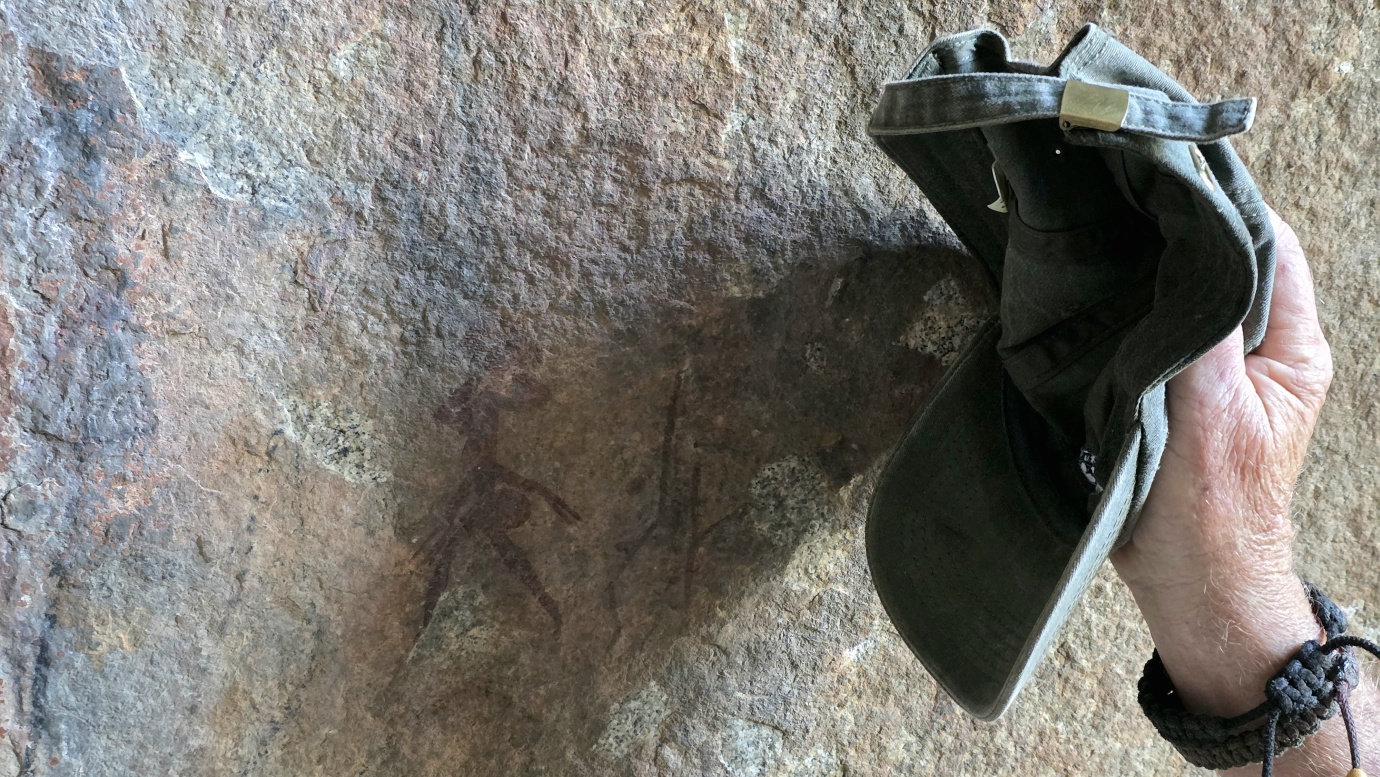
Matobo is one of the richest archaeological landscapes in Southern Africa. More than 3,000 documented rock art sites are scattered throughout its caves and granite shelters, preserving an extraordinary 13,000-year visual record of hunter-gatherer life and later pastoralist migrations. Famous sites such as Nswatugi and Bambata caves feature exceptionally well-preserved paintings depicting giraffes, eland, kudu, and many other animals.
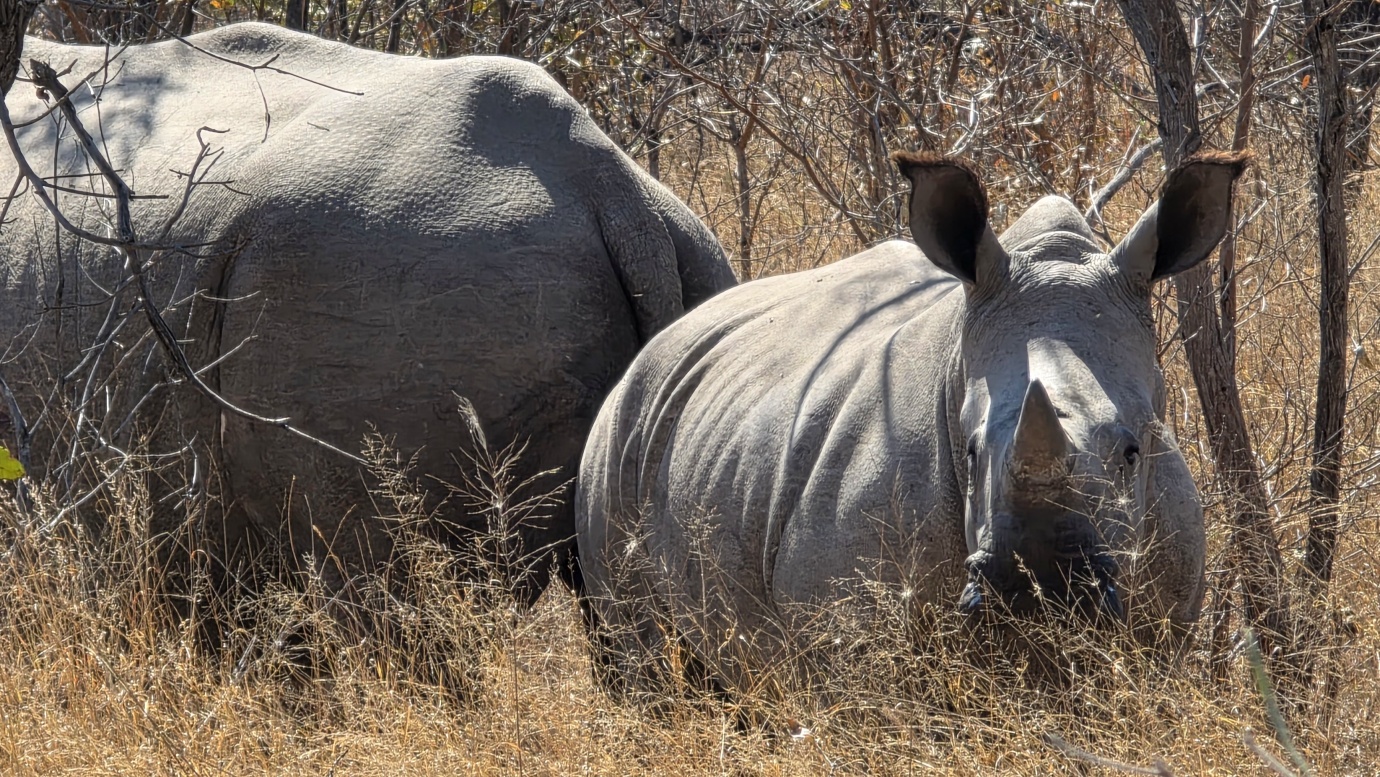
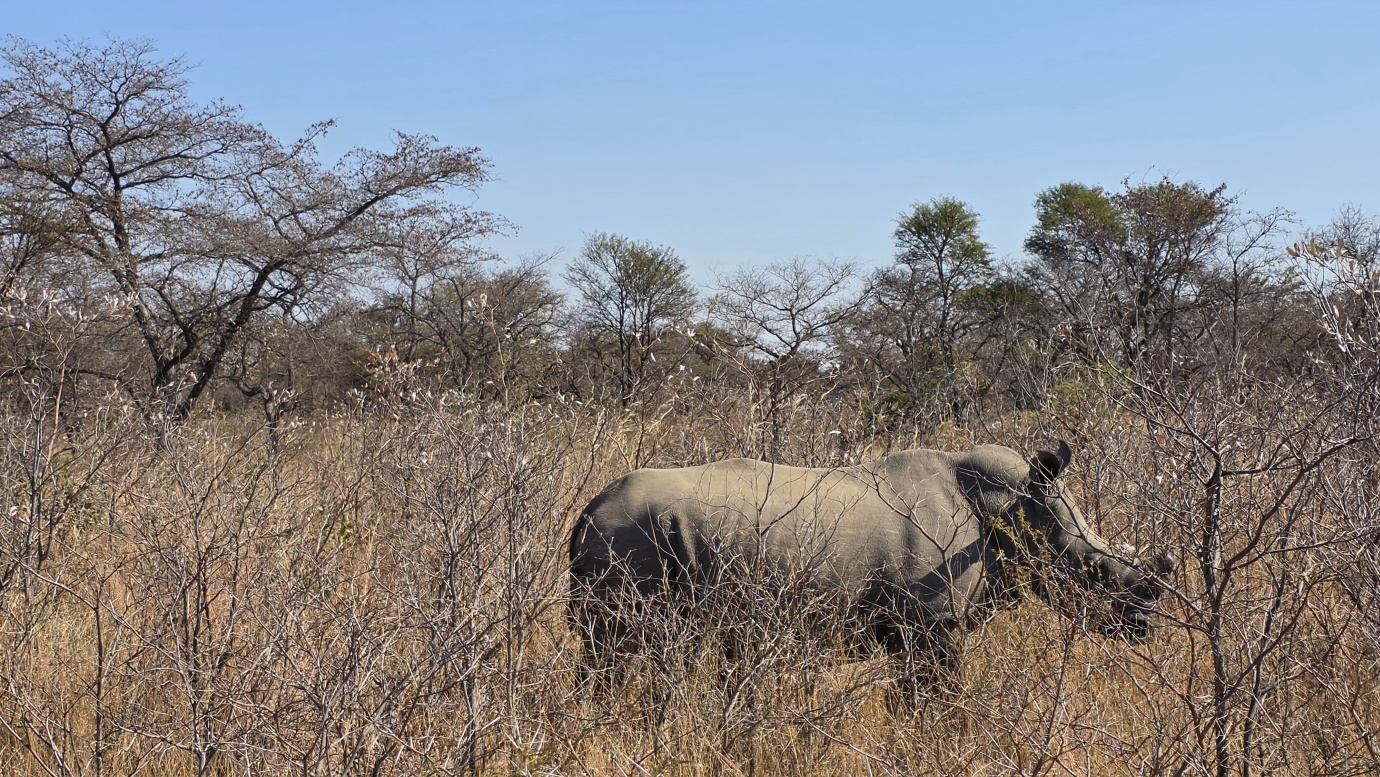
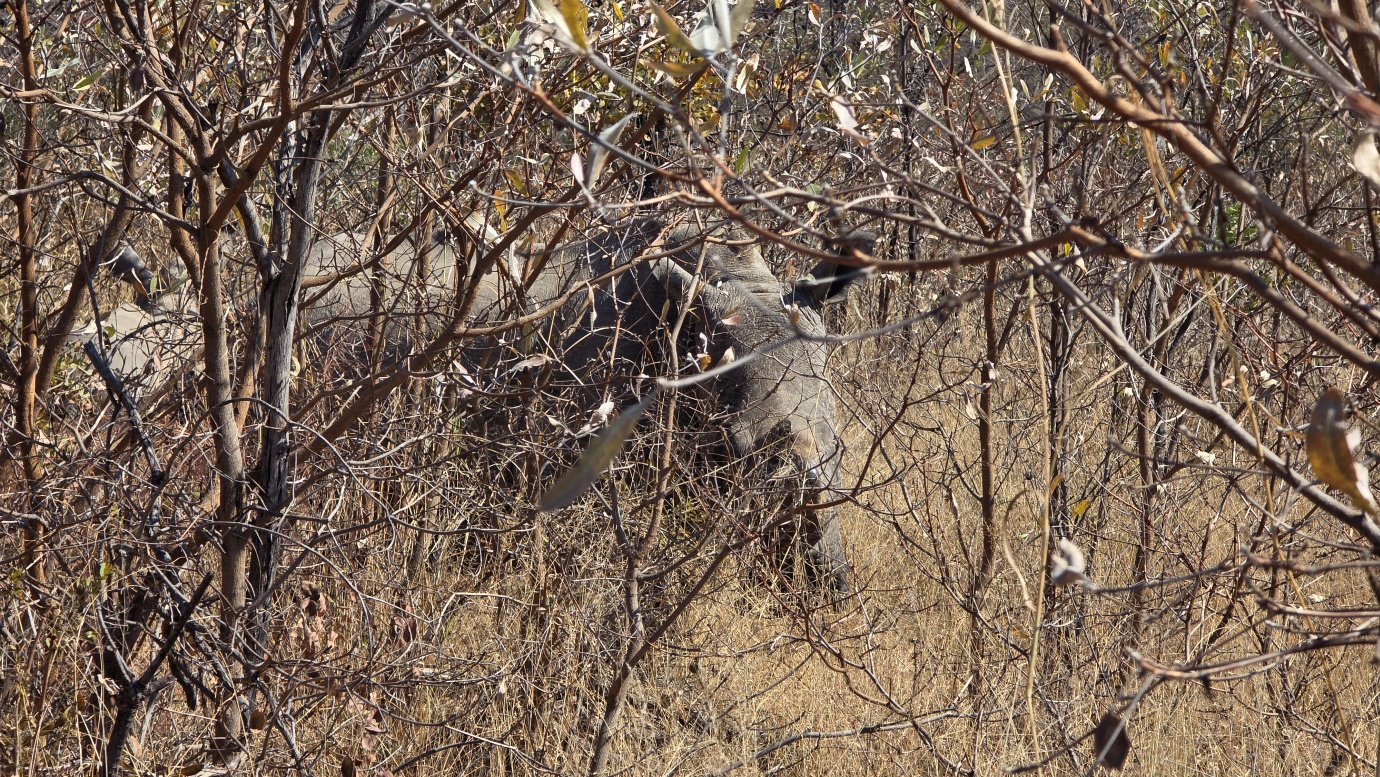
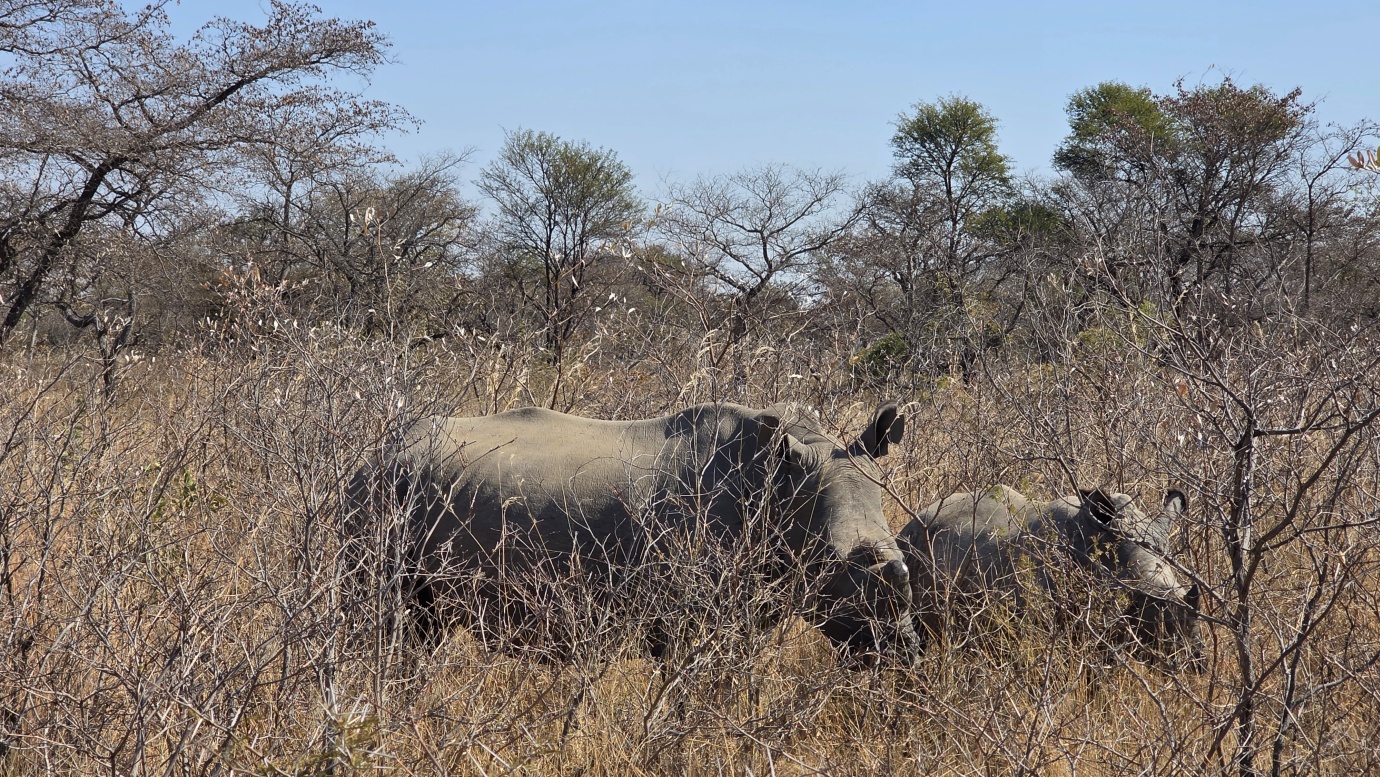
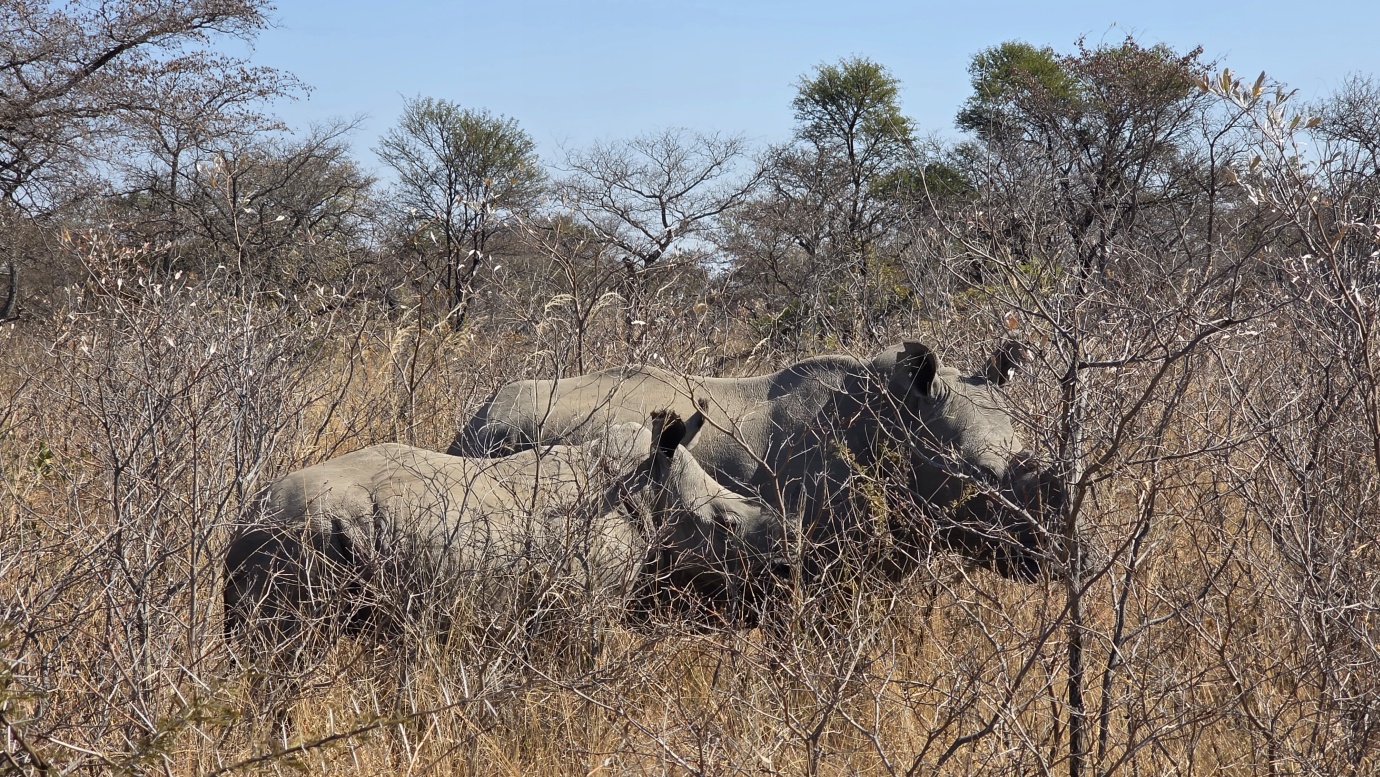
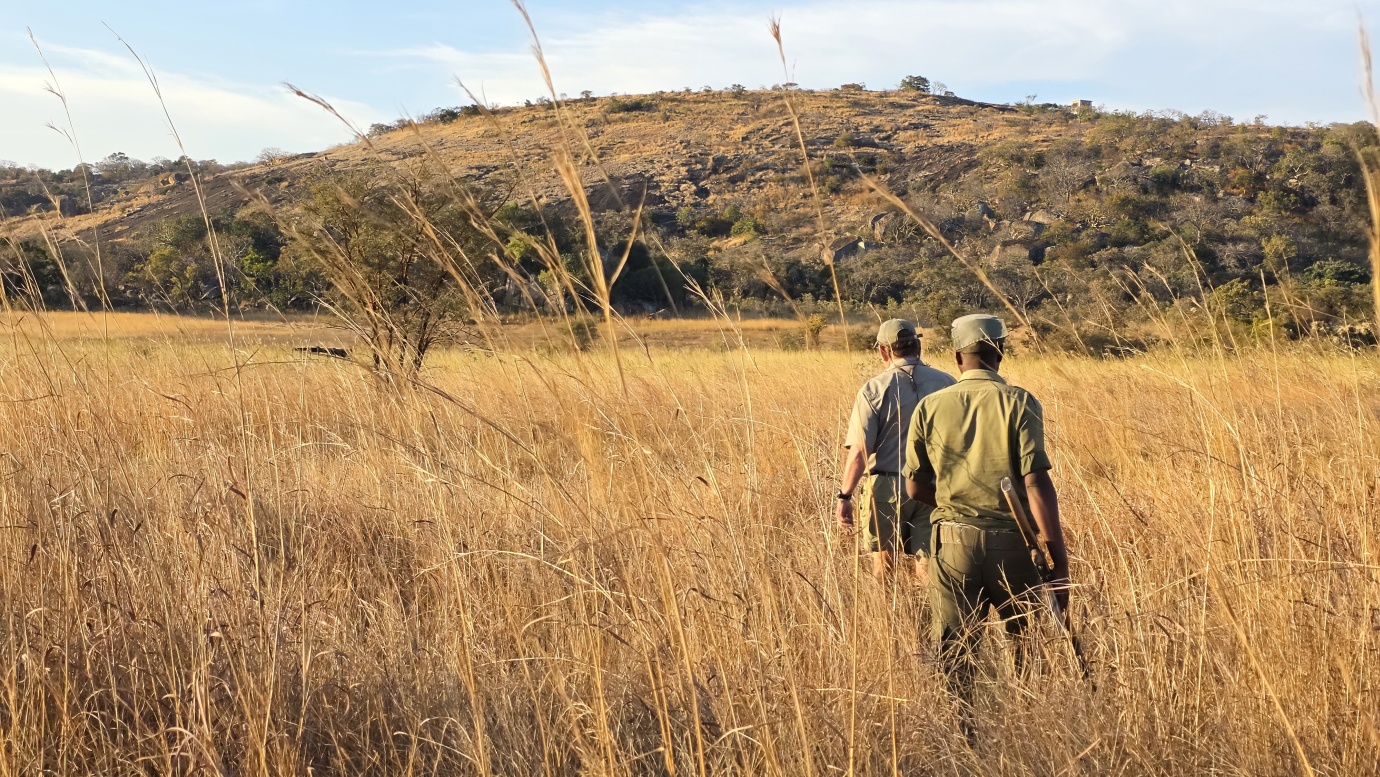
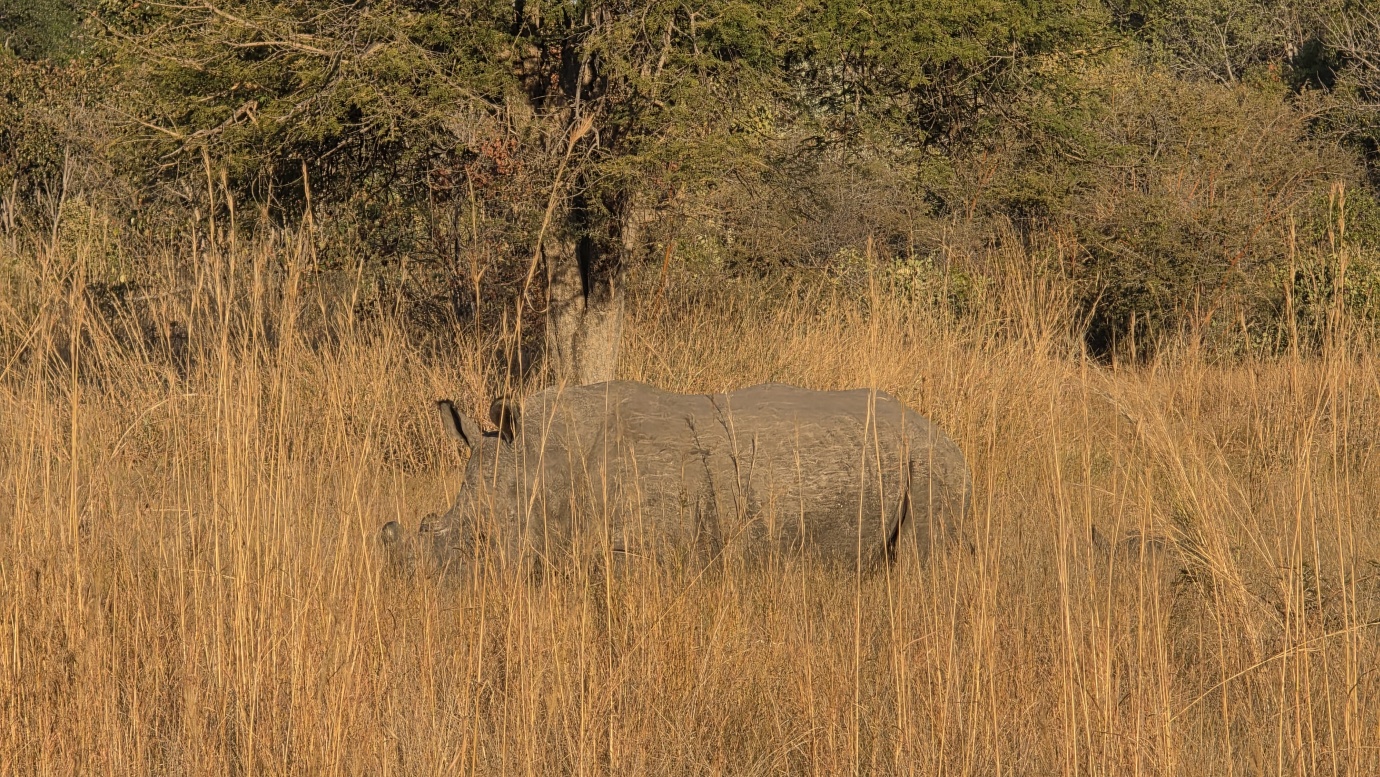
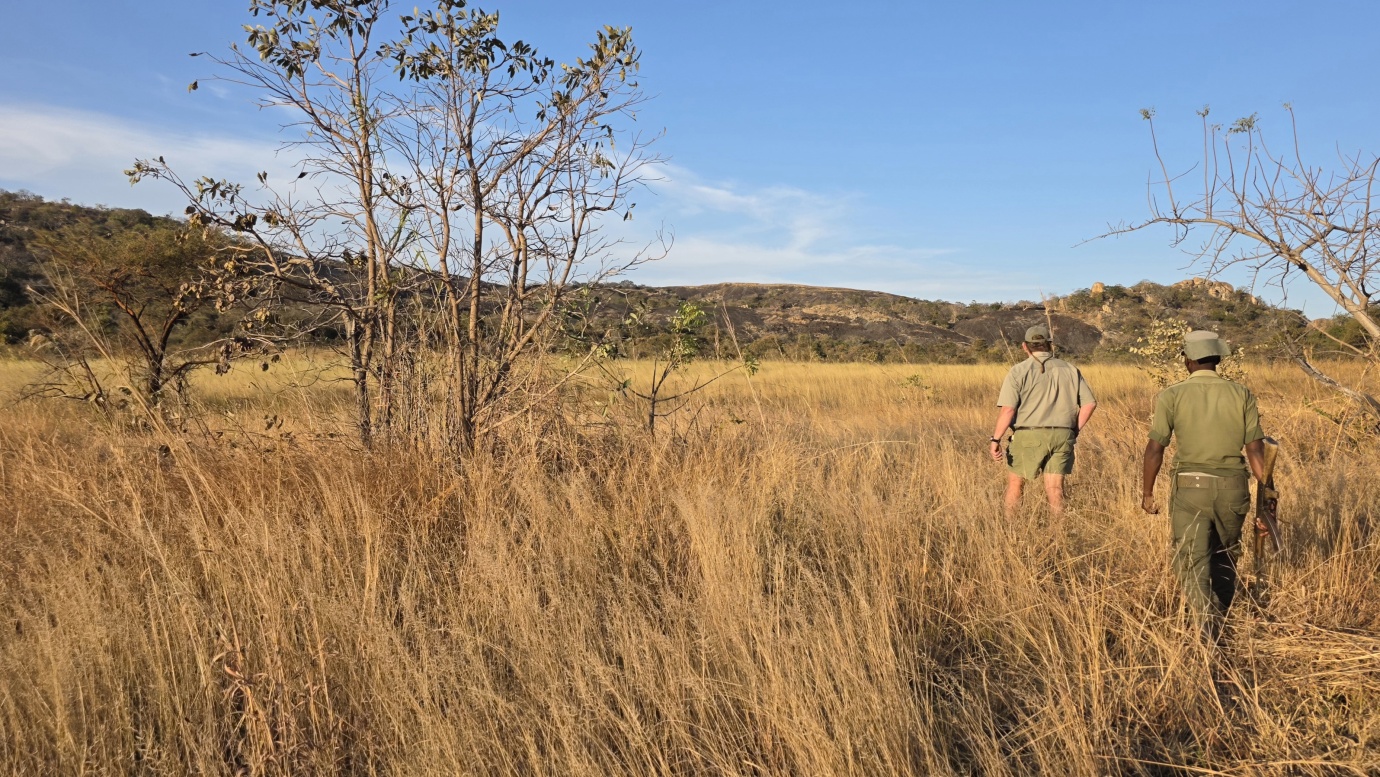
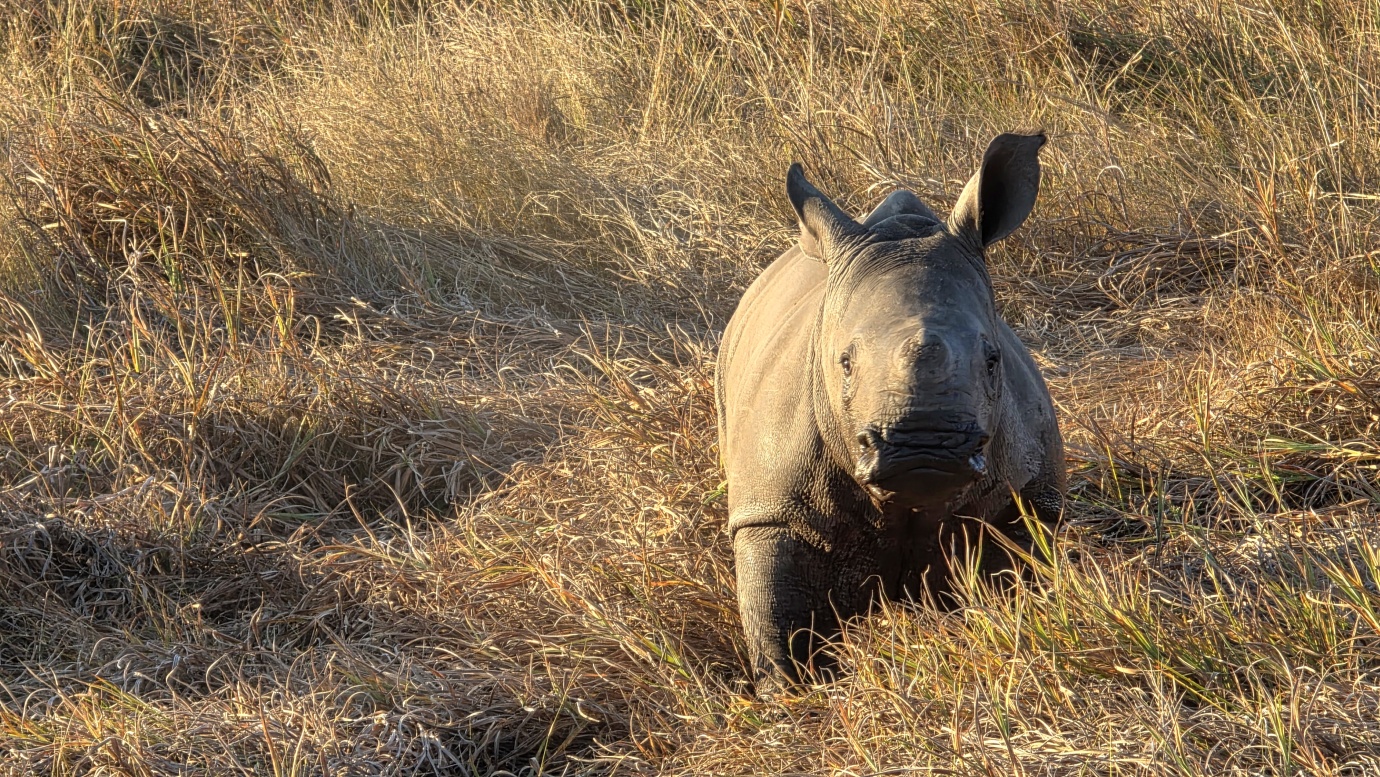
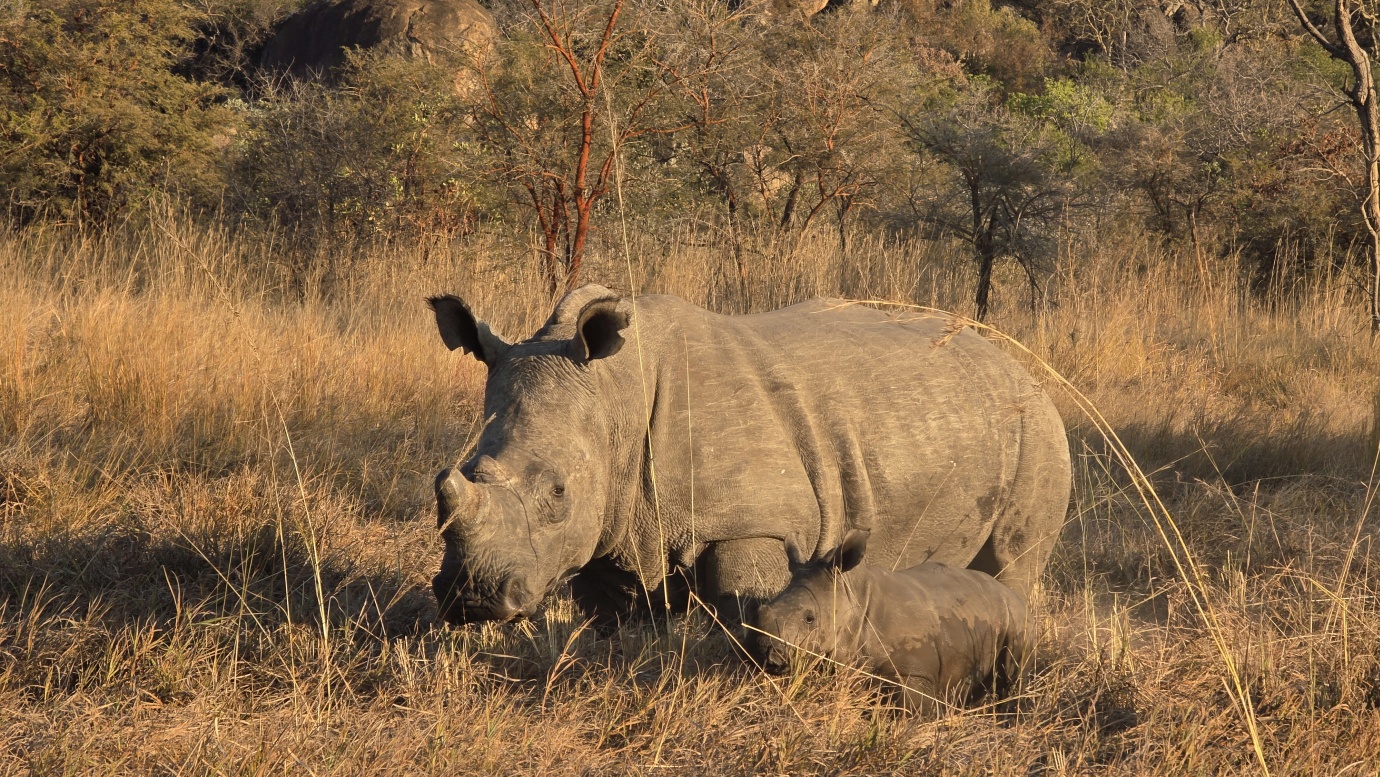
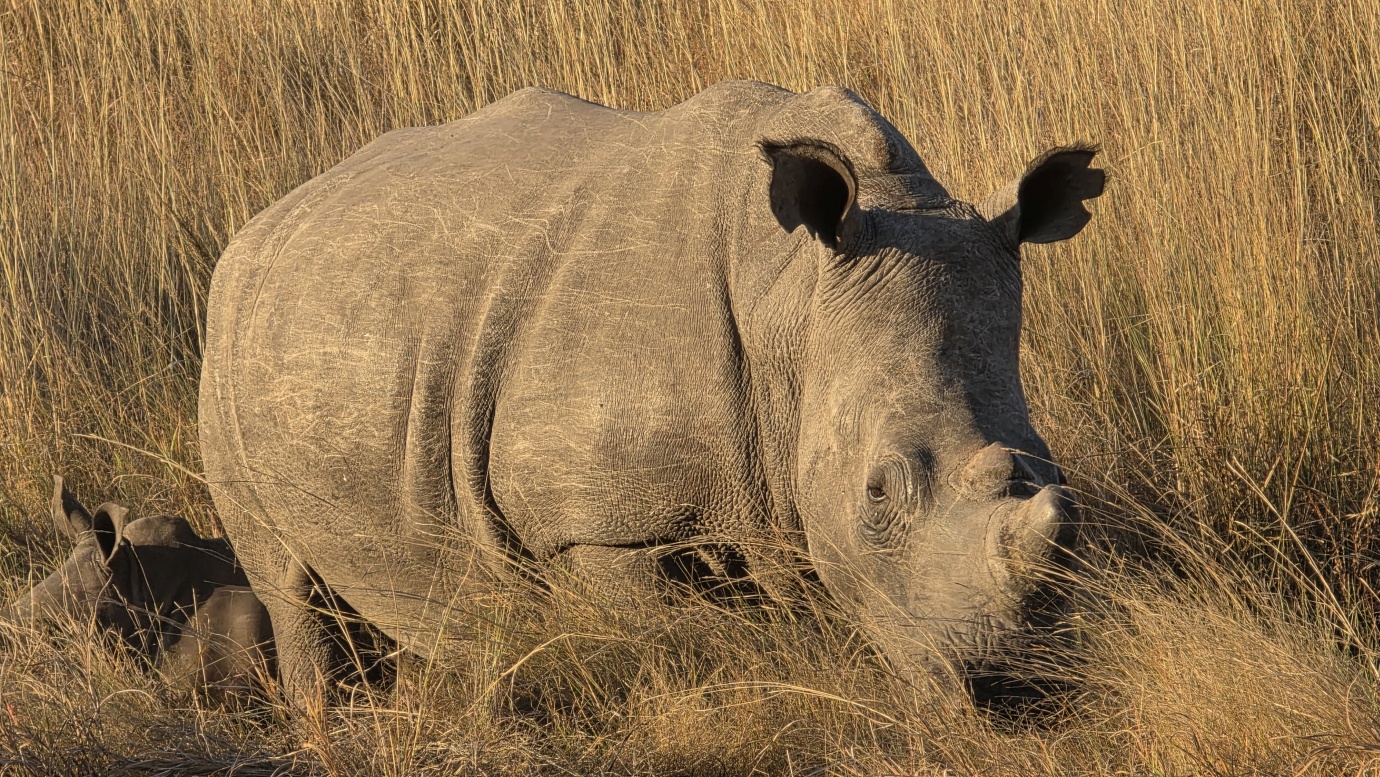
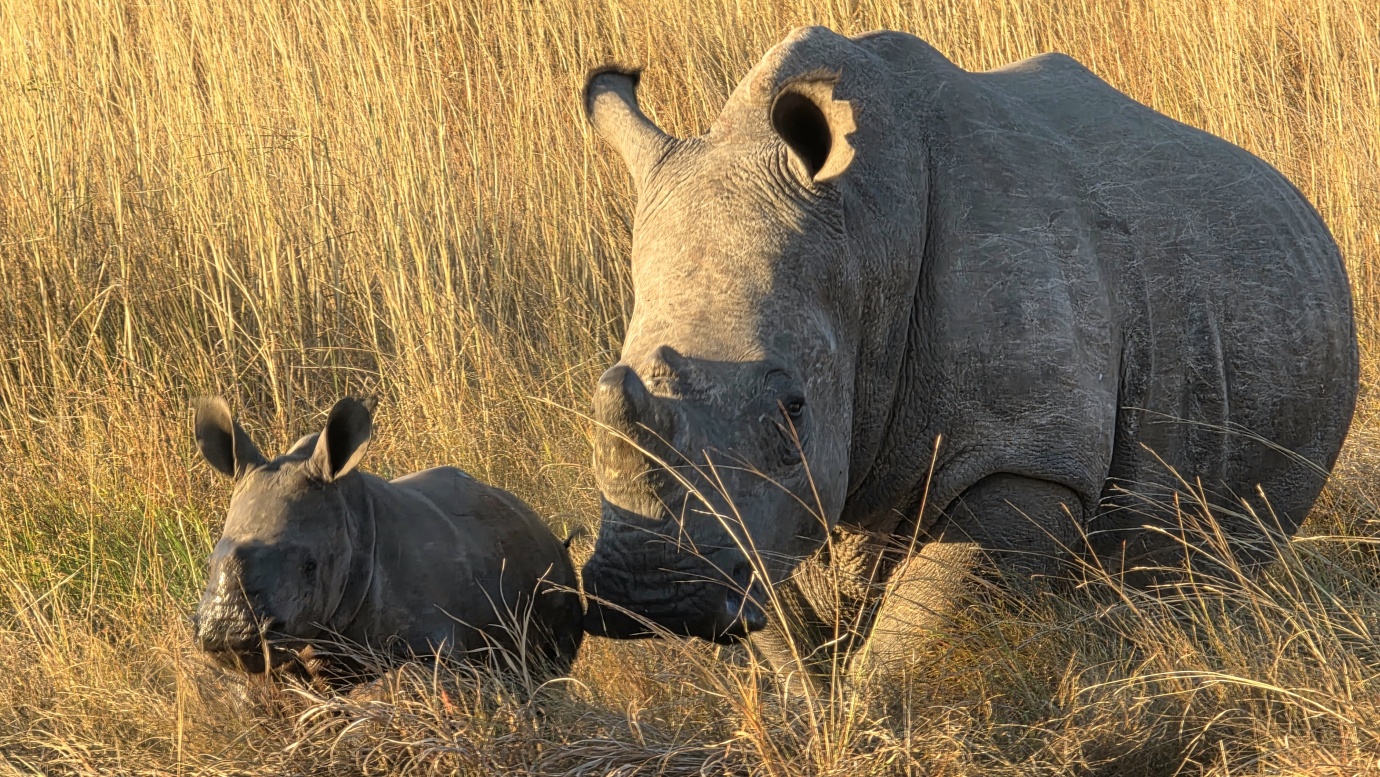
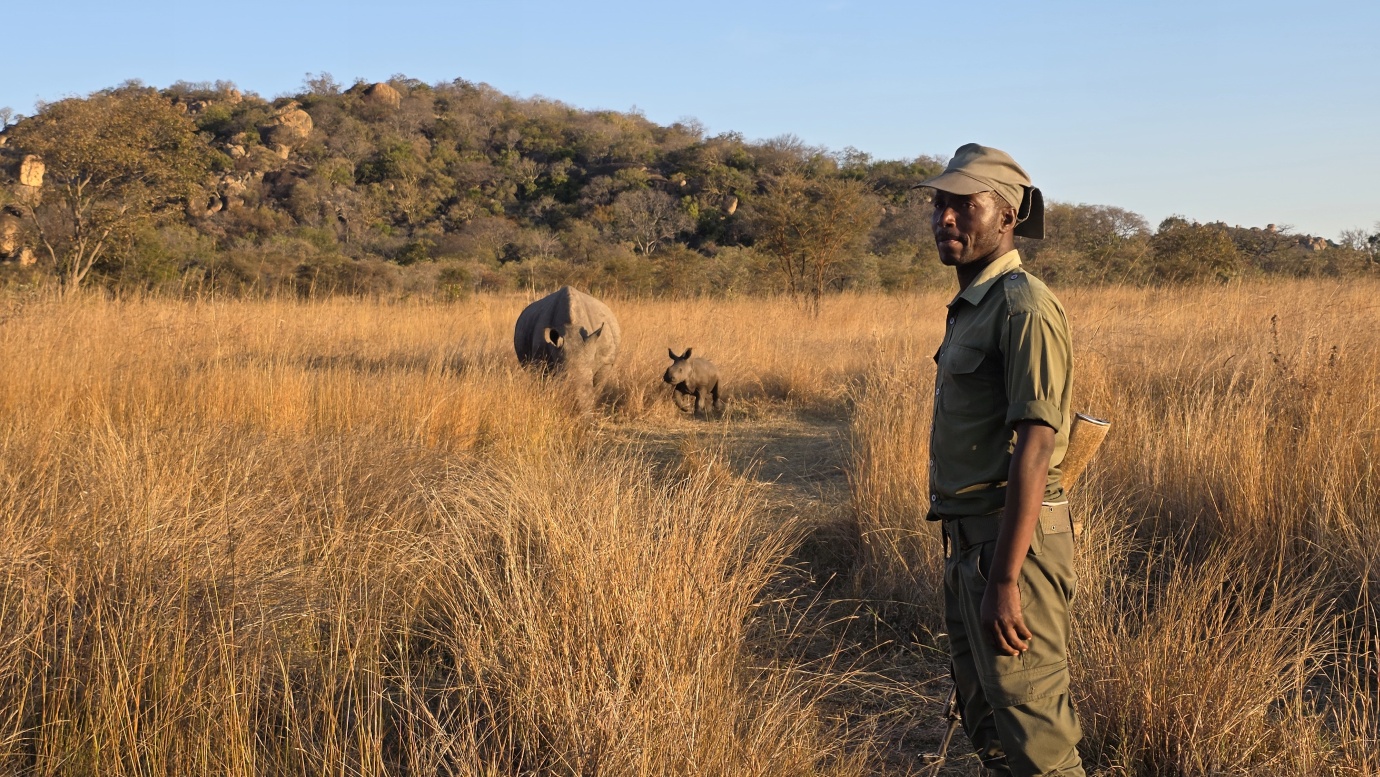
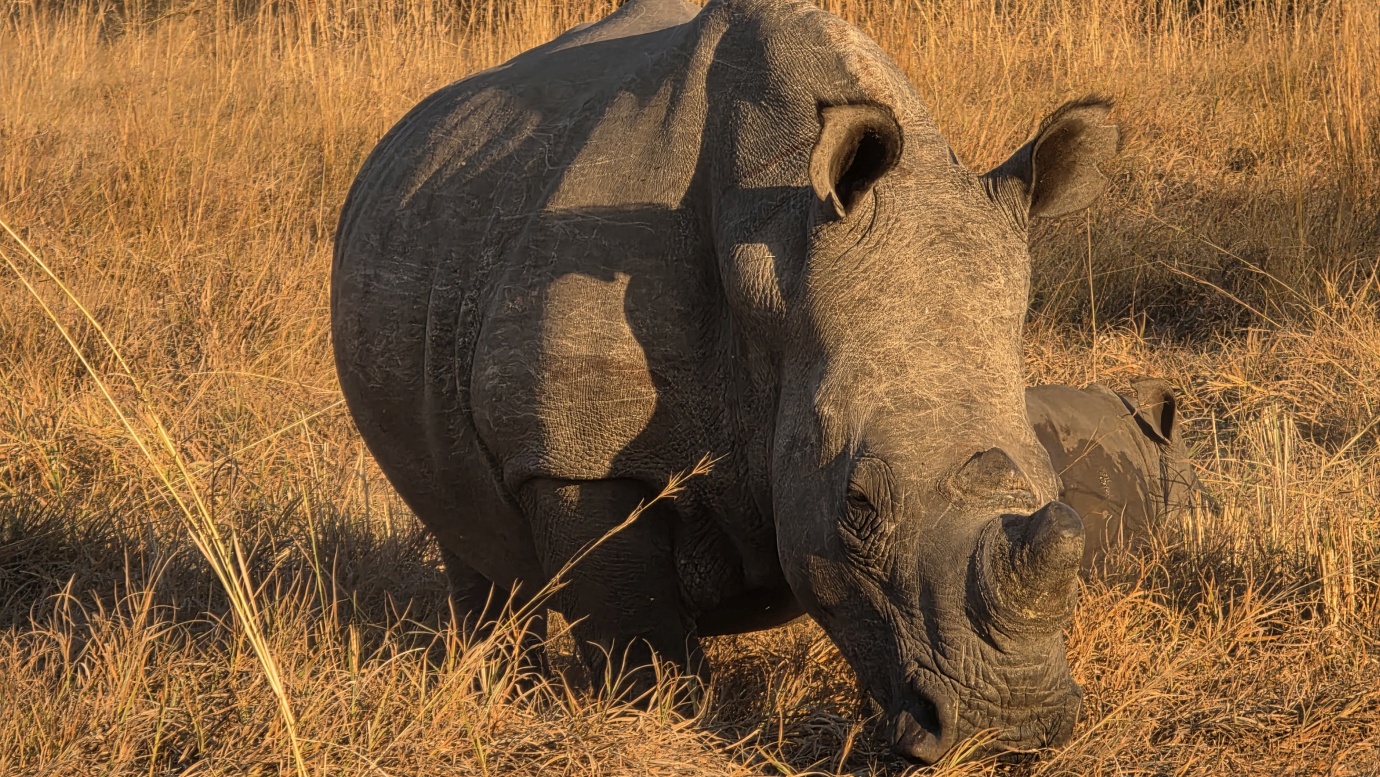
Matobo National Park is also a premier sanctuary for both critically endangered black rhinos and white rhinos. It is one of the few places in Africa where visitors can experience the unforgettable thrill of tracking rhinos on foot. Thanks to decades of dedicated conservation work, the park’s rhino population continues to grow despite the ongoing poaching crisis affecting much of the continent.
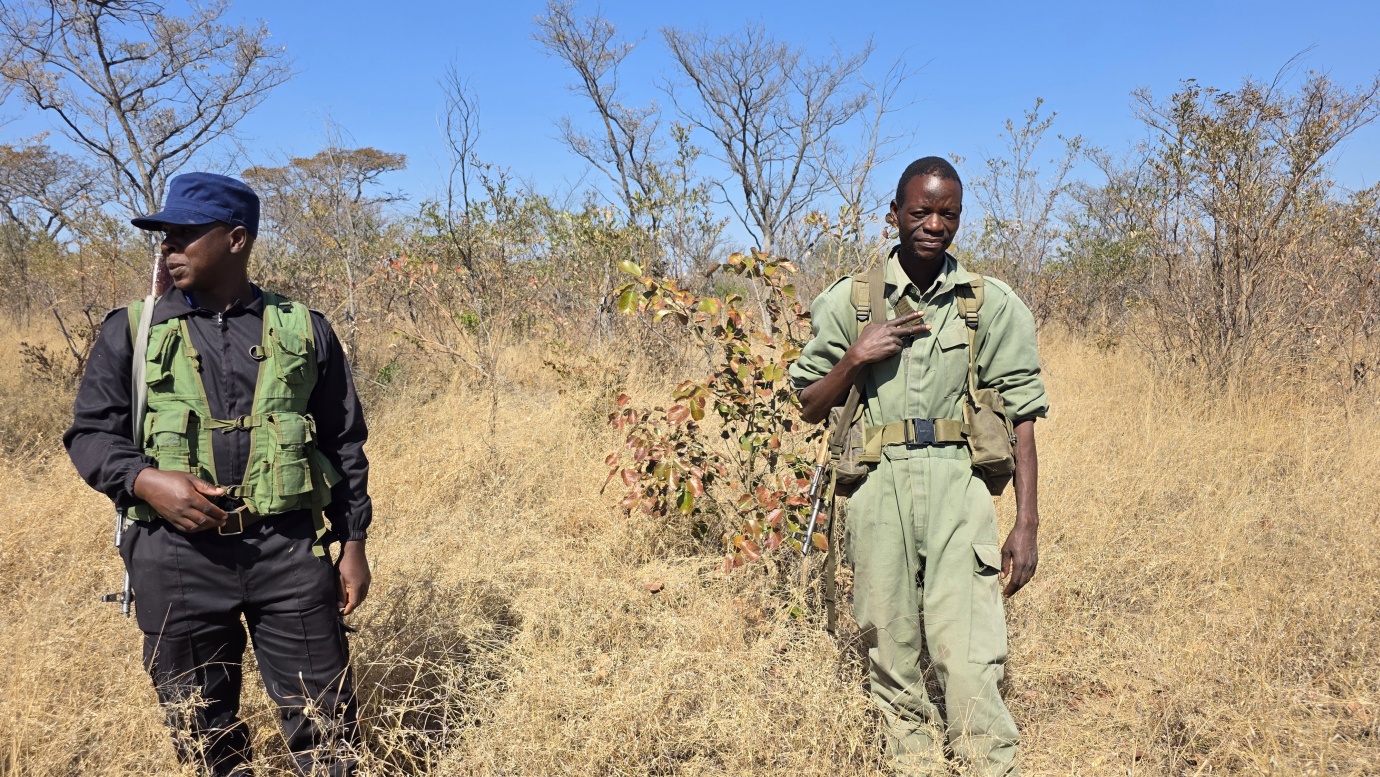
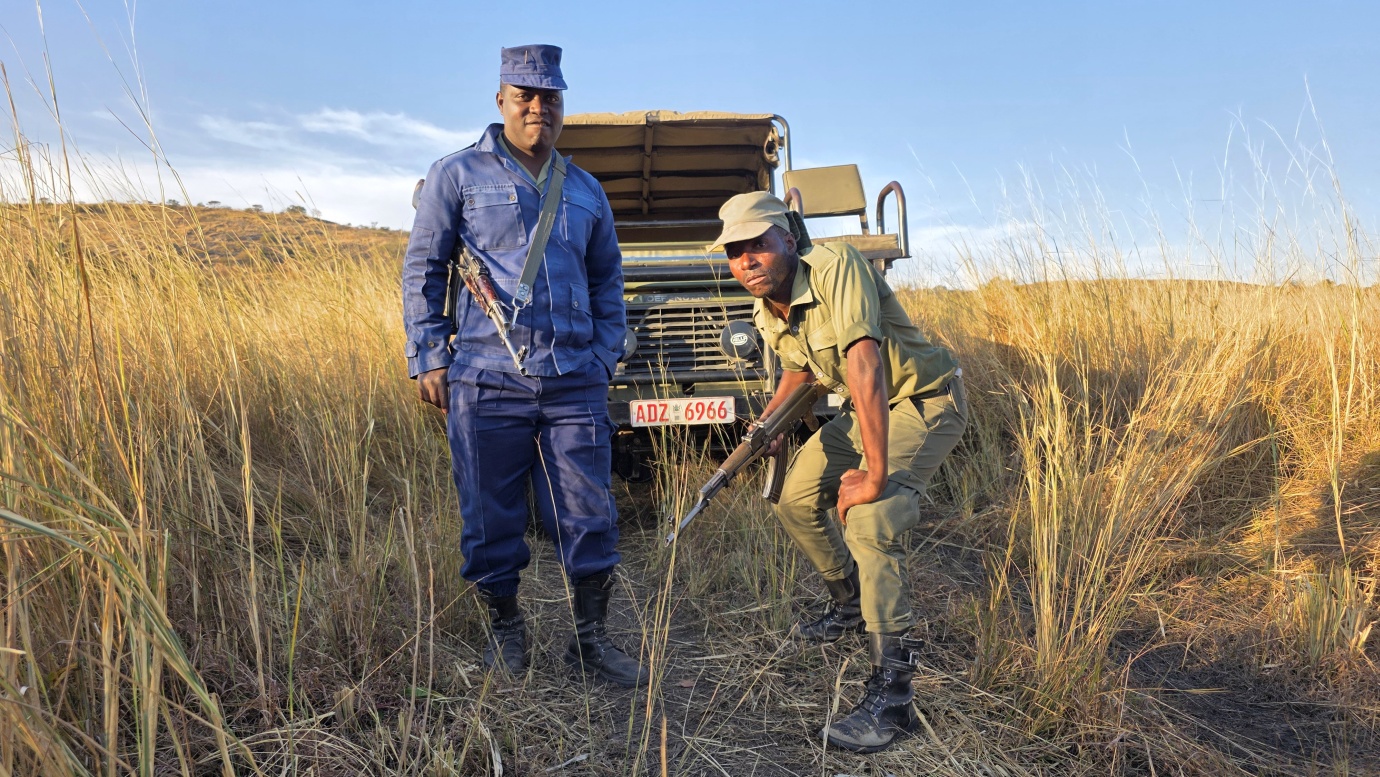
Because rhinos remain highly sought after by poachers, the park employs rigorous conservation measures, including a protective dehorning program that removes the financial incentive for illegal hunting. Dedicated anti-poaching teams—including rangers supported by the Mother Africa Trust—patrol the park around the clock to safeguard these magnificent animals.
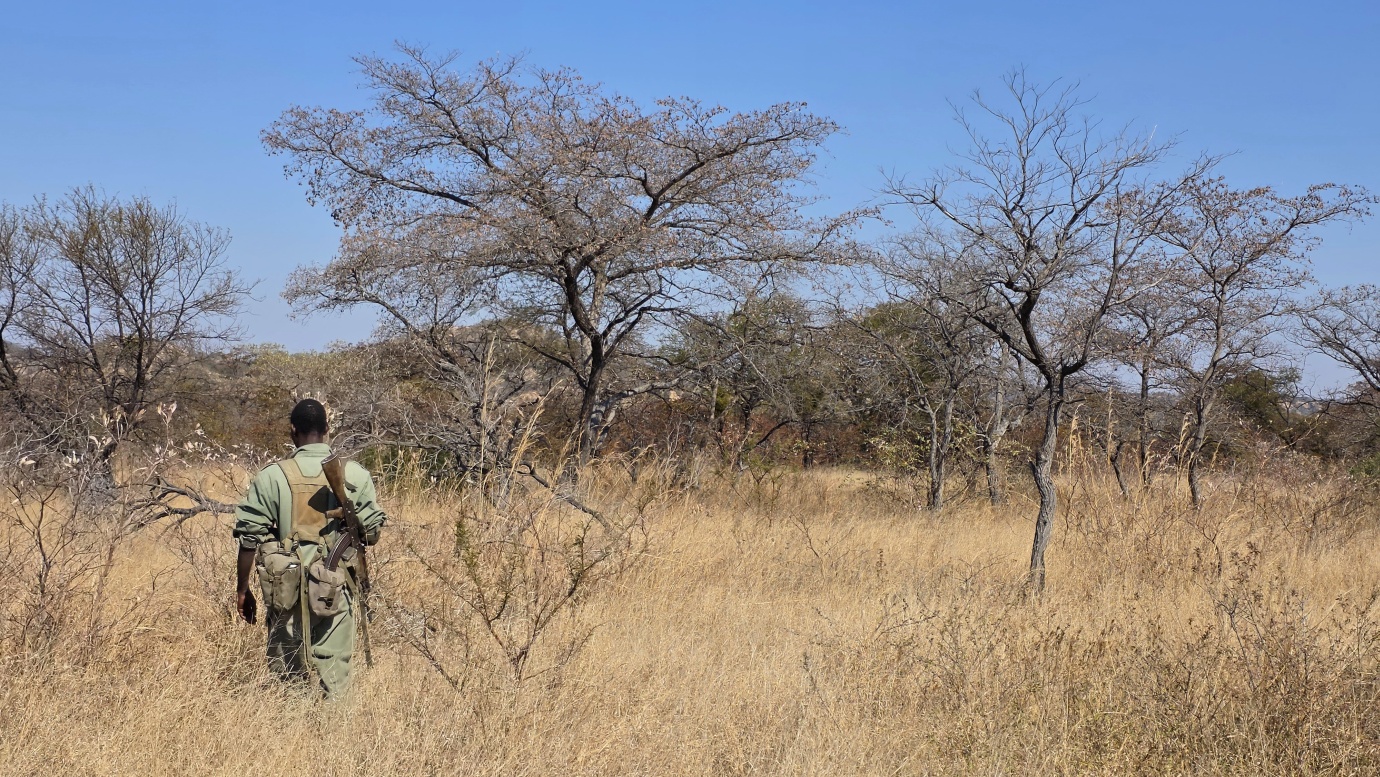
The park’s conservation success is built on strict, multi-layered protection, intensive monitoring, and community involvement. We joined a specialised rhino-tracking excursion led by armed professional guides, and it was an unforgettable experience. Tourism plays a vital role in funding conservation, environmental education, and community development, ensuring that residents become active custodians of Matobo’s extraordinary wildlife and natural heritage.